Work Truck and Service Body Upfit
Work-truck and service-body upfit that mounts a body, bins, a rack and the wiring to the chassis, planned around how a crew loads and unloads every day.

Work Truck and Service Body Upfit at a glance
- Enclosed service body, fitted and wired
- $4,800–$14,500
- Shelving, bins and drawer units
- $600–$3,200
- Ladder rack, pipe carrier or crane
- $700–$4,500
- Work lighting and beacon package
- $450–$2,200
What a service-body upfit is
A service body is the enclosed or open bed structure that turns a pickup or chassis cab into a work truck with organized storage. The service body is the visible half of the job; the other half is the shelving inside it, the rack on top, the lighting around it and the wiring that ties everything to the chassis. A work-truck upfit is the whole package, planned around a crew's day rather than assembled from whatever parts a supplier had in stock.
- An enclosed or open service body in the right class
- Interior shelving, bins and drawer units
- A ladder rack, pipe carrier or material handling
- Work lighting and the wiring that powers it

What a work-truck build covers
A complete work-truck upfit works through the same set of systems on every build, from the body that carries the load to the smallest bracket that holds a light. Leaving one out is how a truck ends up with a body but nowhere to put the ladder, which is a build that has to be redone almost immediately.
- Service body mounted and squared to the frame
- Shelving, bins and drawer units set to the work
- Ladder rack, pipe carrier or crane
- Work lights, beacons and cab switching
- Inverter, compressor and fused auxiliary power
- Cab organization and a safe place for documents
How a service-body upfit is built
A service-body build runs in order from the chassis outward, and the body is squared before anything is mounted on it.
-
Confirm the chassis payload and the trade it serves.
-
Choose the body class and the storage layout.
-
Drop the body onto the chassis and align it square to the rails.
-
Fit the shelving, bins and drawer units.
-
Mount the rack or carrier and the work lighting.
-
Wire the inverter, compressor and lighting to fused feeds.
-
Walk the finished truck with the crew and adjust before handover.
Matching the body to the chassis
A service body is heavy before a single tool goes in it, so the chassis has to be able to carry the body, the shelving, the rack and the load without passing its payload rating. A one-ton or a chassis cab takes a heavier body comfortably while a half-ton fills up fast once tools and a loaded rack are counted. We weigh the whole build, not just the body, because a truck that is over its rating is a liability however good the upfit looks.
- Ford F-250 and F-350 for enclosed service bodies
- Silverado and Sierra one-tons for enclosed bodies
- RAM 2500 and 3500 for mechanical trades
- Ford Transit for cargo-heavy service routes
- Toyota Tundra for lighter service-body builds
- Chassis cabs where a pickup bed would only be removed
What a service-body upfit costs
A service-body build is priced across the body, the storage inside it, the rack, the lighting and the wiring, plus the labour to fit them to the truck. The figure varies with the payload class, the shelving and whether the truck needs a bed removed first. The quote settles when the body and the storage are drawn.
- Enclosed service body, fitted and wired
- $4,800–$14,500
- Shelving, bins and drawer units
- $600–$3,200
- Ladder rack, pipe carrier or crane
- $700–$4,500
- Work lighting and beacon package
- $450–$2,200
- Inverter, compressor and aux wiring
- $600–$3,200
The body is squared before anything else goes on
A service body has to sit square on the frame, because everything fitted afterwards inherits its alignment. A body mounted a fraction out of square drags its drawers crooked, leaves its doors proud and makes a rack sit off-center. We square the body to the chassis as the first real step and check it before the shelving or the rack is placed, because correcting it after the build is far harder than getting it right at the start.
Storage laid out for the way the crew works
The inside of a service body is where a build earns its keep or wastes it. A toolbox drawer placed too high is lifted a thousand times a year, and a bin too deep swallows small parts. We lay out the shelving around which tools come out first and how often, so the body does the organizing rather than the crew's memory. That planning is what separates a body that speeds up work from one that adds a small task to every job.
The rack carries the parts that will not fit inside
Ladders, pipe and long material ride on the rack, and the rack has to be rated to carry them without stressing the body underneath. A ladder rack that leans on the body skin rather than the structure will loosen over time and take the panel with it. We mount the rack to the reinforced points and check the load it will carry, because long material is the heaviest thing a service truck handles and the easiest to under-estimate.
Lighting and power for a full workday
A service truck works past dark and often runs tools from the truck, so the lighting and the power have to be planned together. Work lights, beacons, an inverter and a compressor all draw on the same electrical system, and each needs its own fused feed. We size the alternator and the cabling to the real load, because a body full of gear that browns out under its own lights is a build that fails when it is needed most.
Confirming the build before ordering
A service-body upfit is a significant investment, so we confirm the chassis, the trade and the load before a body is ordered. Tell us the truck, the payload and how the crew works, and we will plan the body class, the storage and the rack against your real numbers rather than a stock layout that ignores how your business actually operates.
The other upfit programs
Fleet runs, commercial builds and service bodies.
-
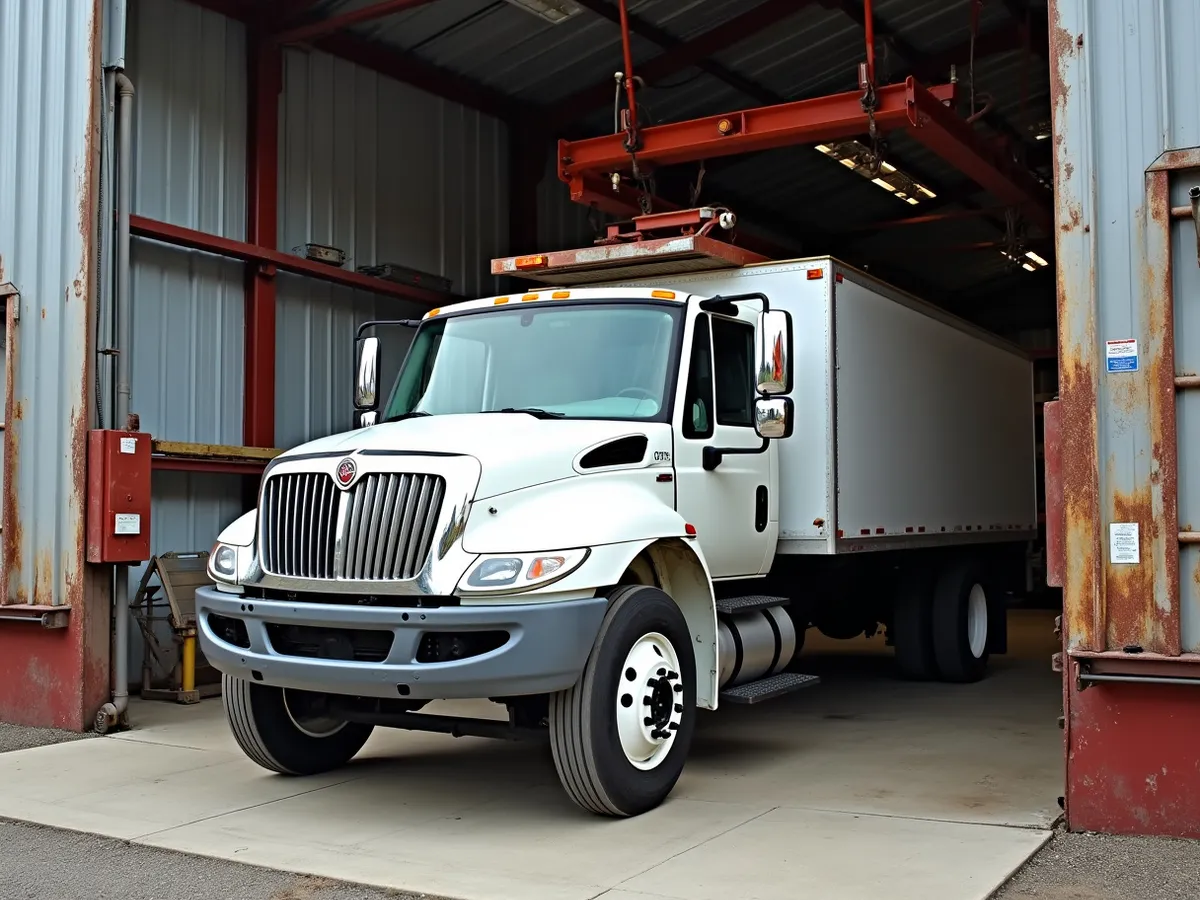
Commercial Truck Upfitting for Trades and Services
Commercial truck upfitting for plumbers, electricians, contractors and service crews — the body, the rack, the lighting and the wiring, planned around the trade before a single part is ordered.
-
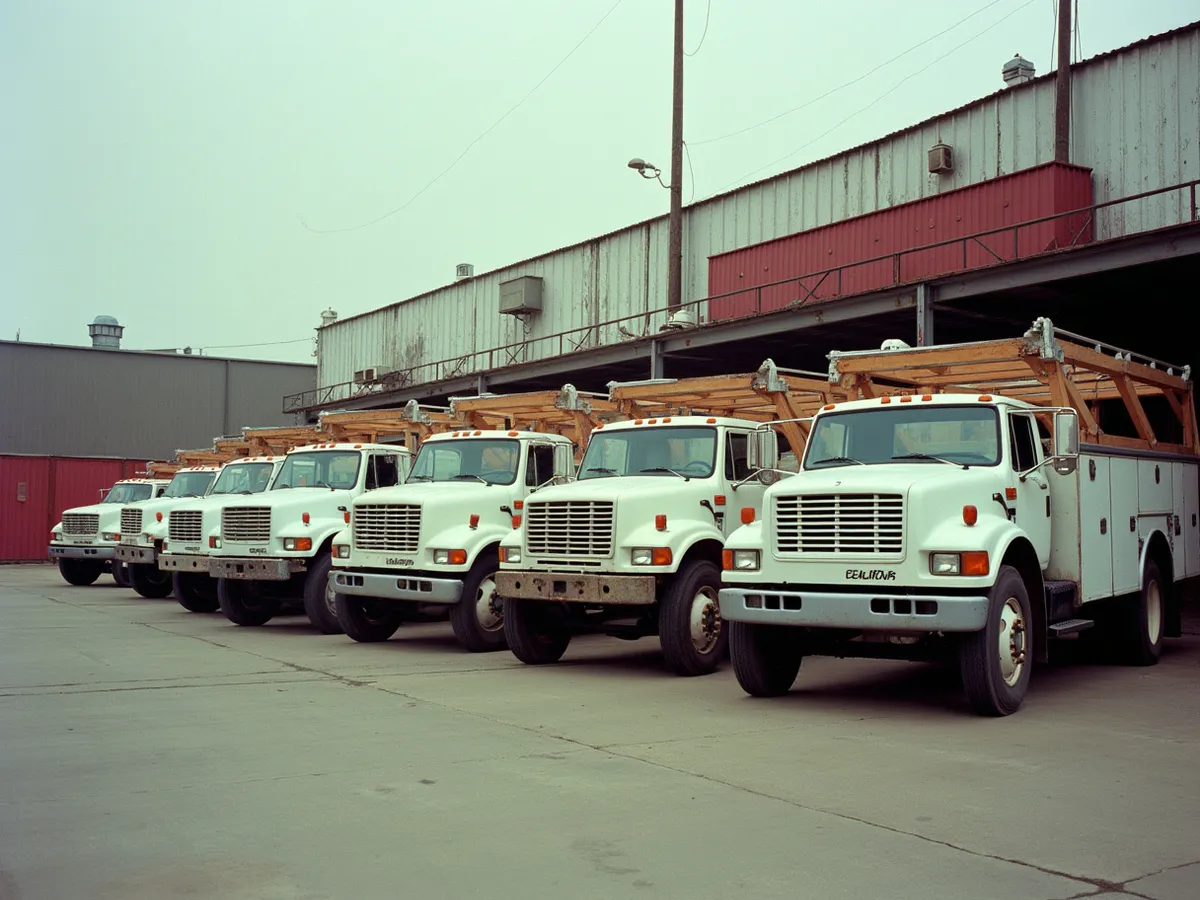
Fleet Upfitting Programs for Multi-Truck Operations
Fleet upfitting programs that lock one layout and reproduce it across every unit, so drivers moving between trucks find the same gear in the same places.


The towing and recovery areas
The hitch, towing and winch work behind it.
-
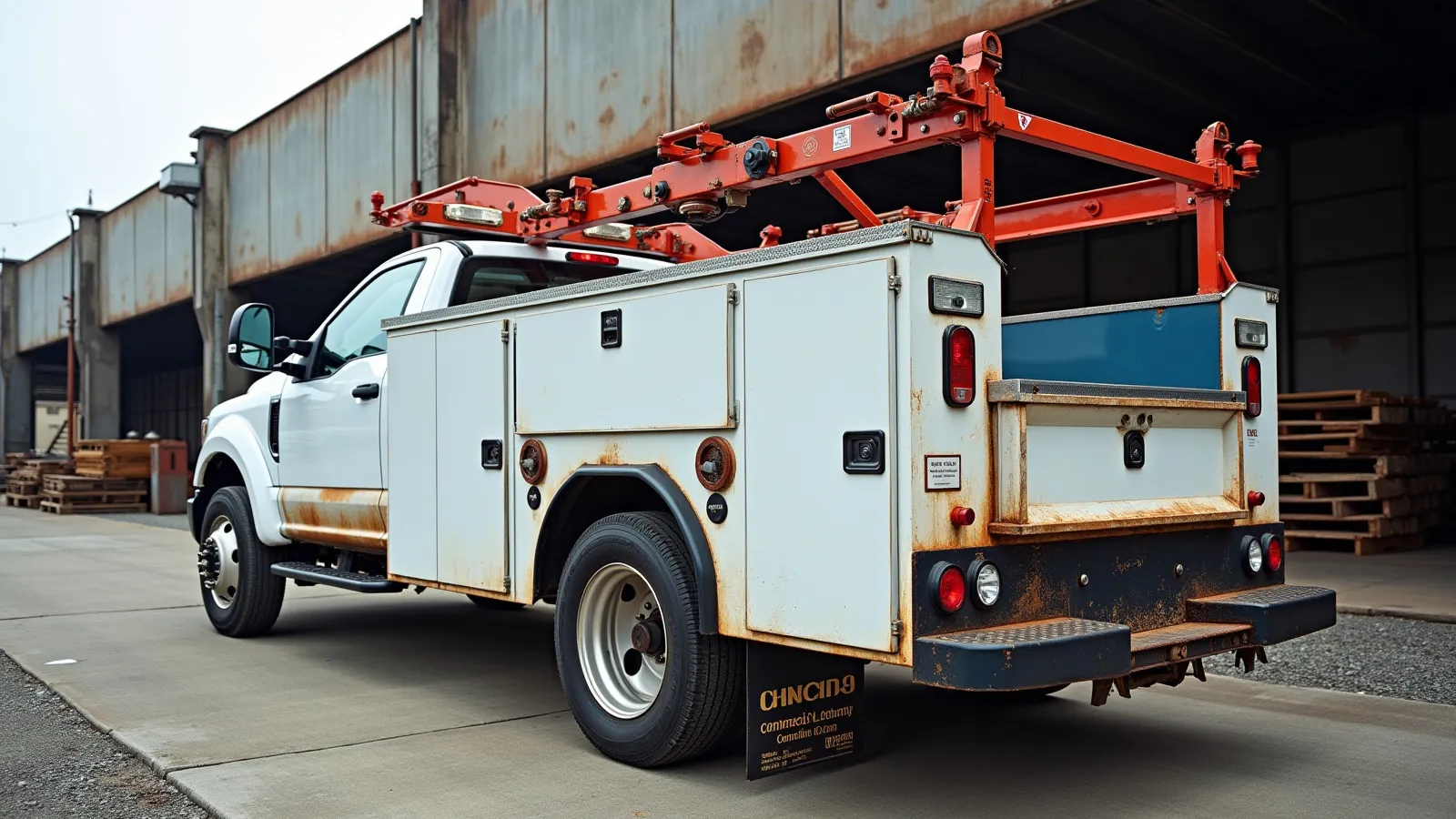
Commercial and Fleet Truck Upfitting
Commercial and fleet truck upfitting that turns a bare chassis into a working vehicle — service bodies, racks, bins, lighting and the wiring that ties them together.
-
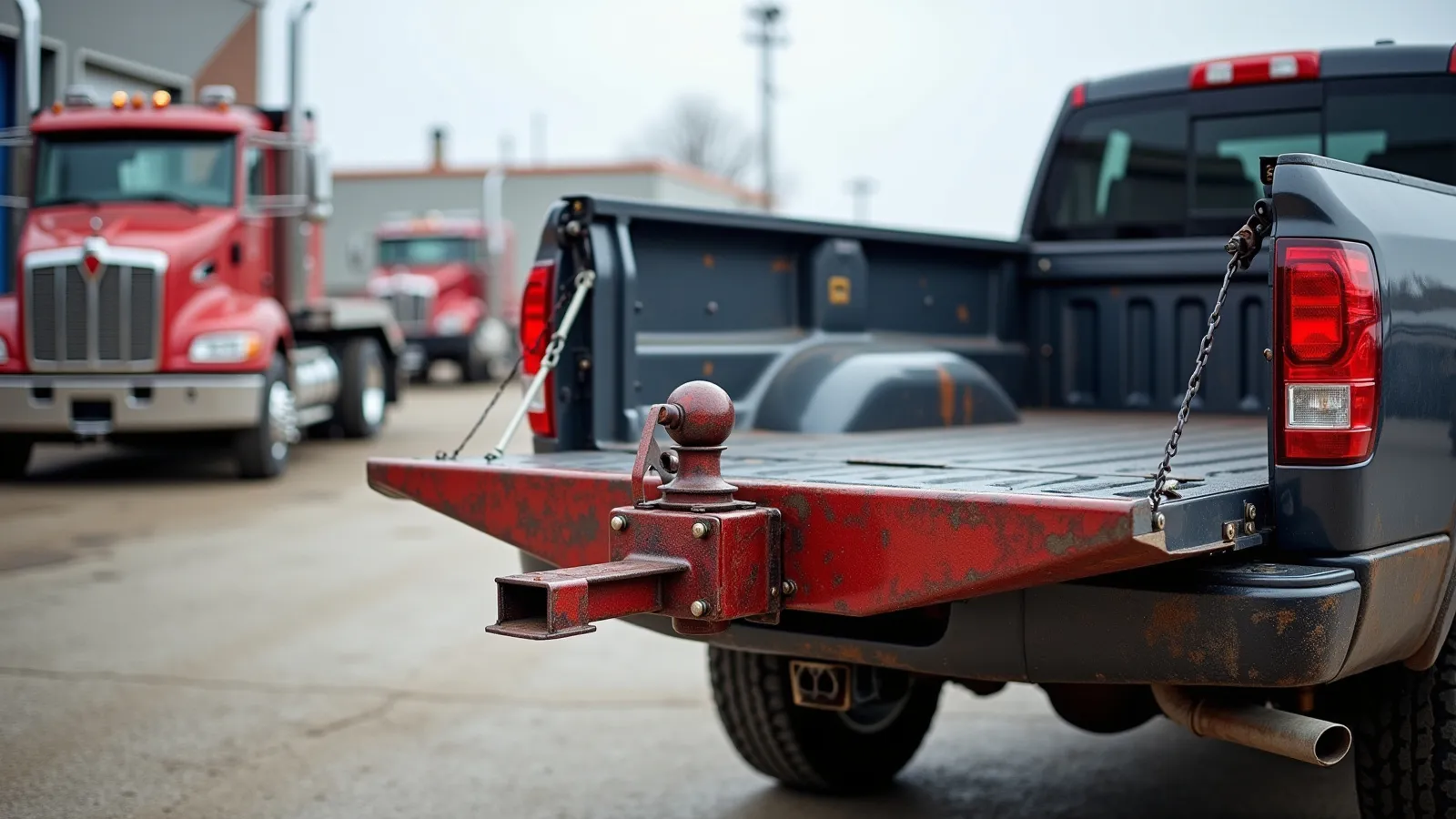
Gooseneck, Fifth-Wheel and Receiver Hitches
Gooseneck, fifth-wheel and receiver hitches for trucks that pull — chosen by class and application, not by the shape of the receiver alone, because the truck and the trailer set the real limit together.
-
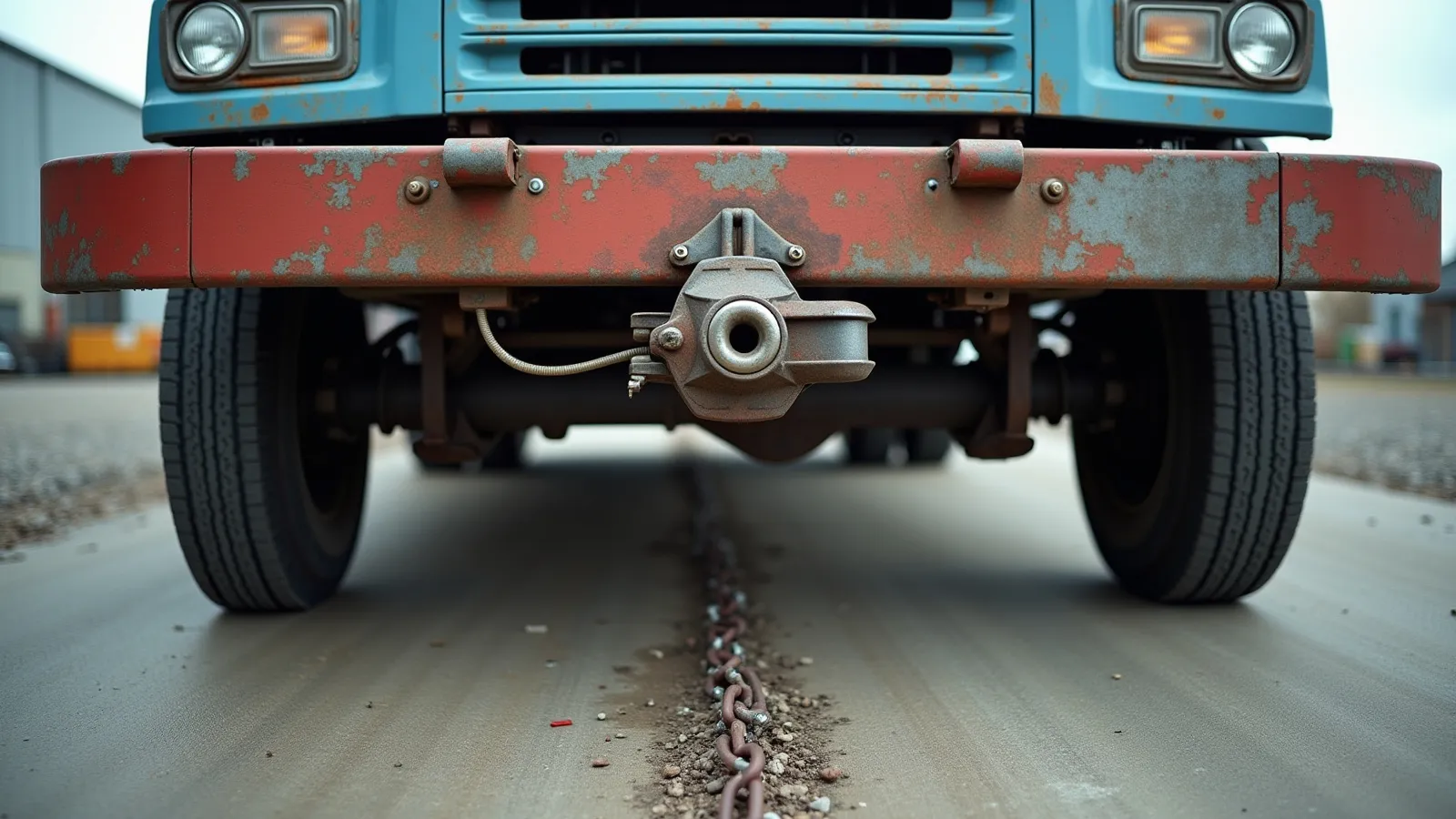
Off-Road Towing Hitches, Tow Bars and Couplers
Receiver hitches, off-road tow bars and trailer couplers sized to the truck and the trailer it pulls, with the ratings checked before a class or a coupler is chosen.
-
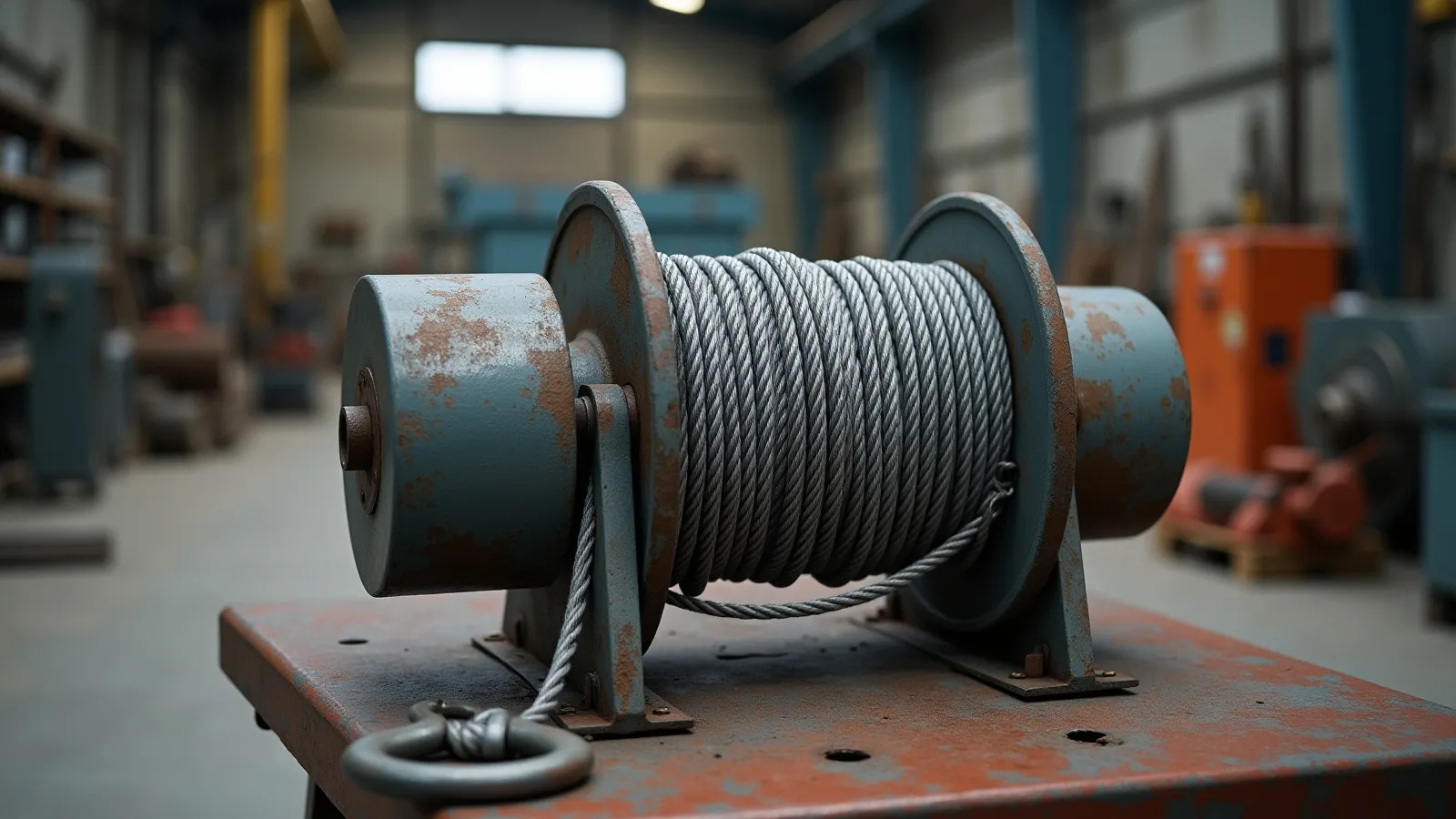
Winches, Control Boxes and Recovery Gear
Winches, control boxes and recovery gear fitted and wired to pull a stuck truck out safely, matched to the truck's weight and the pull it will actually make.


The hardware that goes on
Hitches, balls and recovery gear, priced as ranges.
-
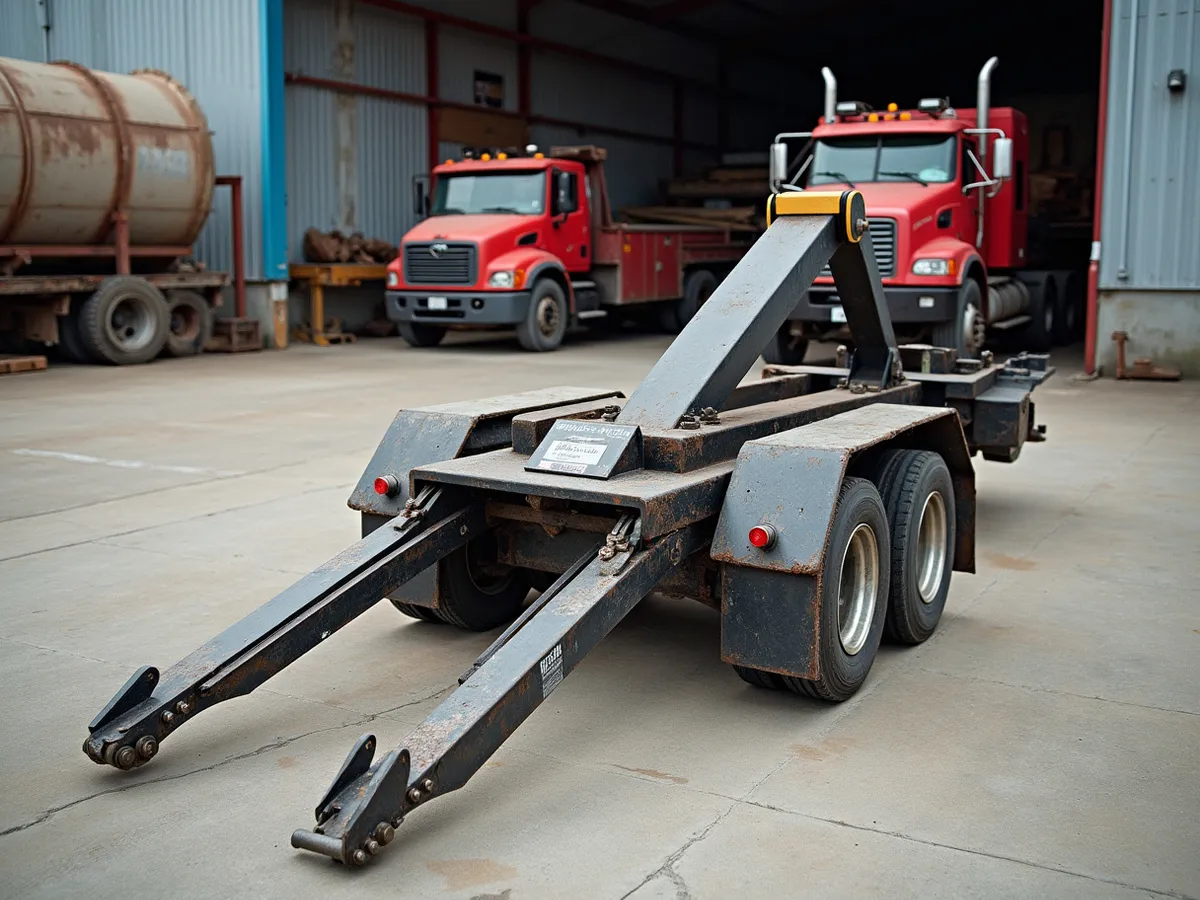
Rambler-Style Tow Bar
A folding tow bar for flat-towing a light 4x4 or car behind a motorhome, chosen by the towed vehicle's weight and the mounting points it can take.
$280–$700 varies by truck, capacity and install
-
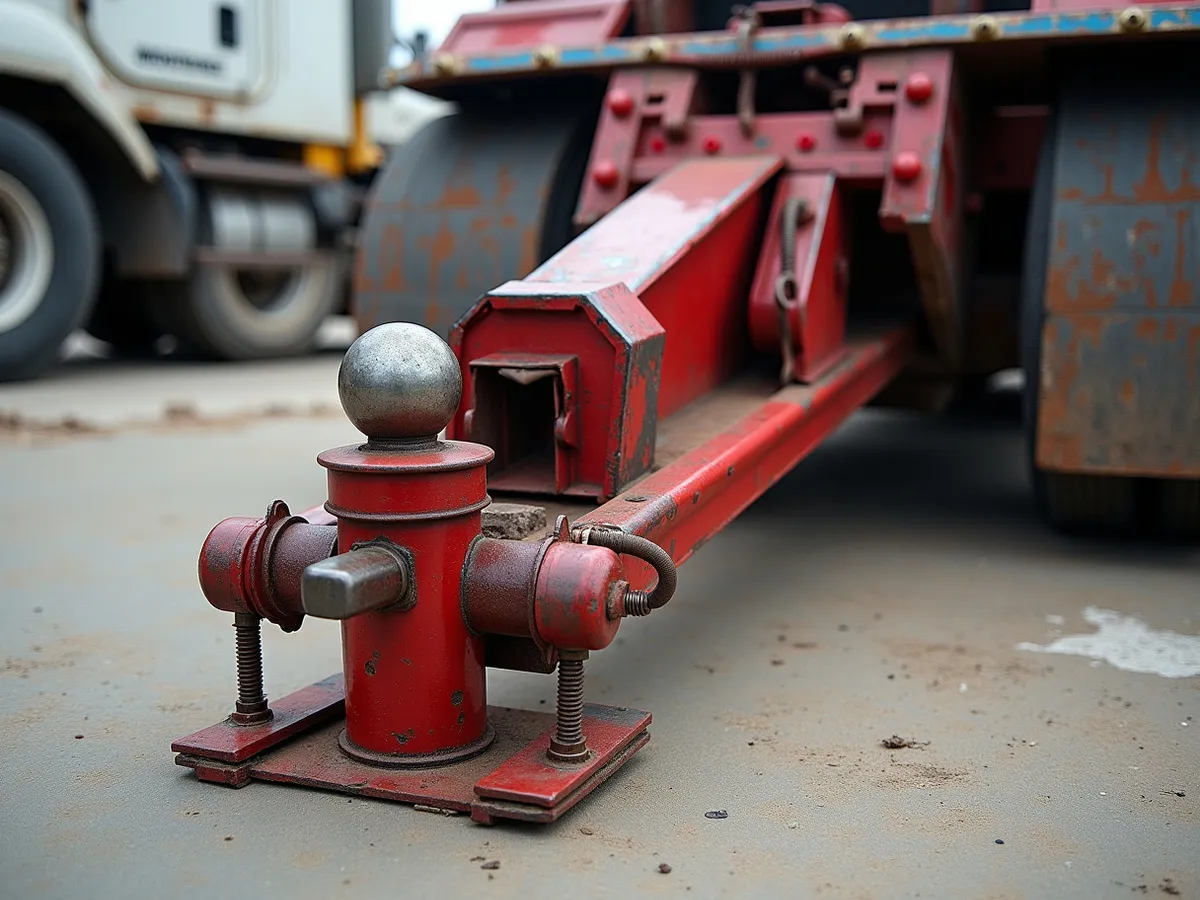
Curt Spyder Gooseneck
An under-bed gooseneck hitch system for heavy trailers, with a ball that stows flat so the bed stays usable when the trailer is unhitched.
$450–$1,300 varies by truck, capacity and install
-
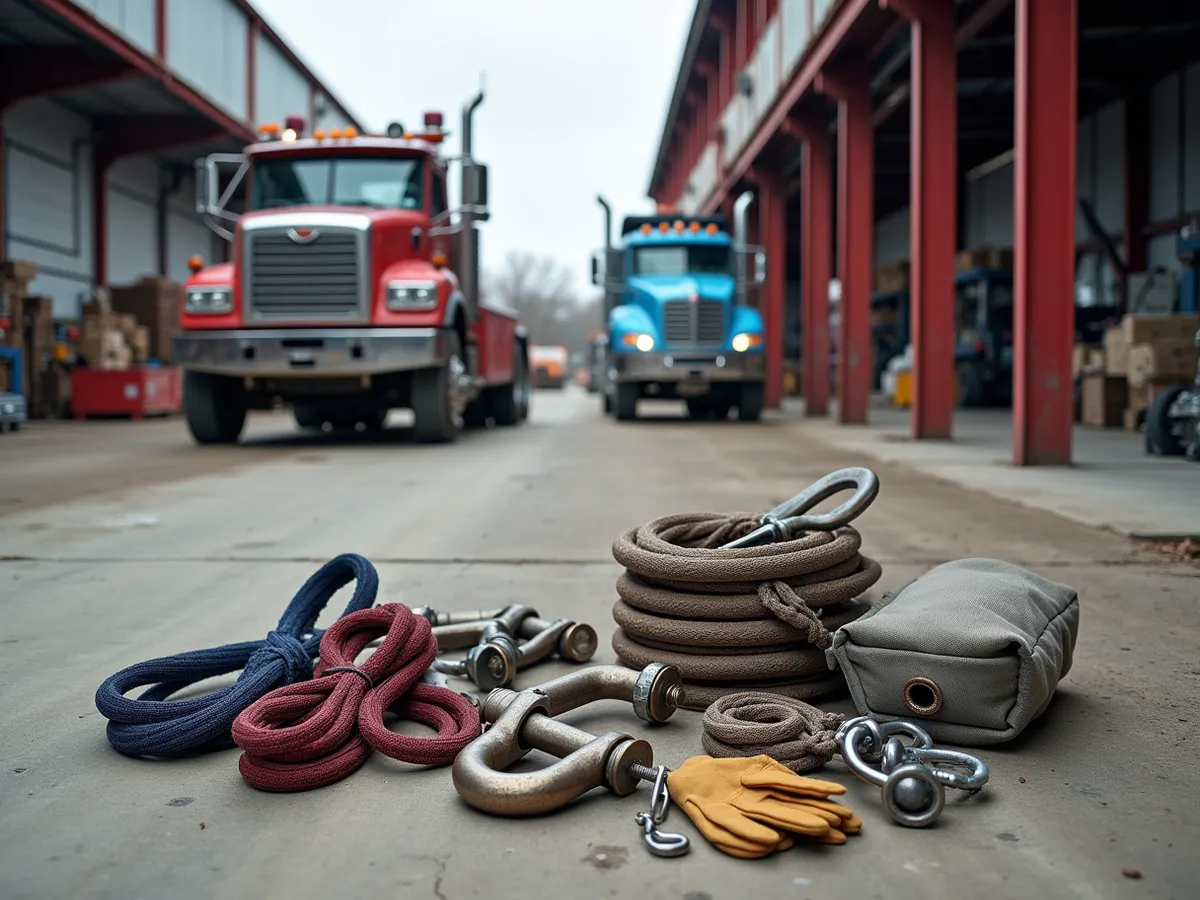
Factor 55 Recovery Gear
Recovery hardware that keeps a winch pull safe — closed-system shackles, straps and rigging chosen by the truck's weight and the recovery it will do.
$90–$260 varies by truck, capacity and install
-
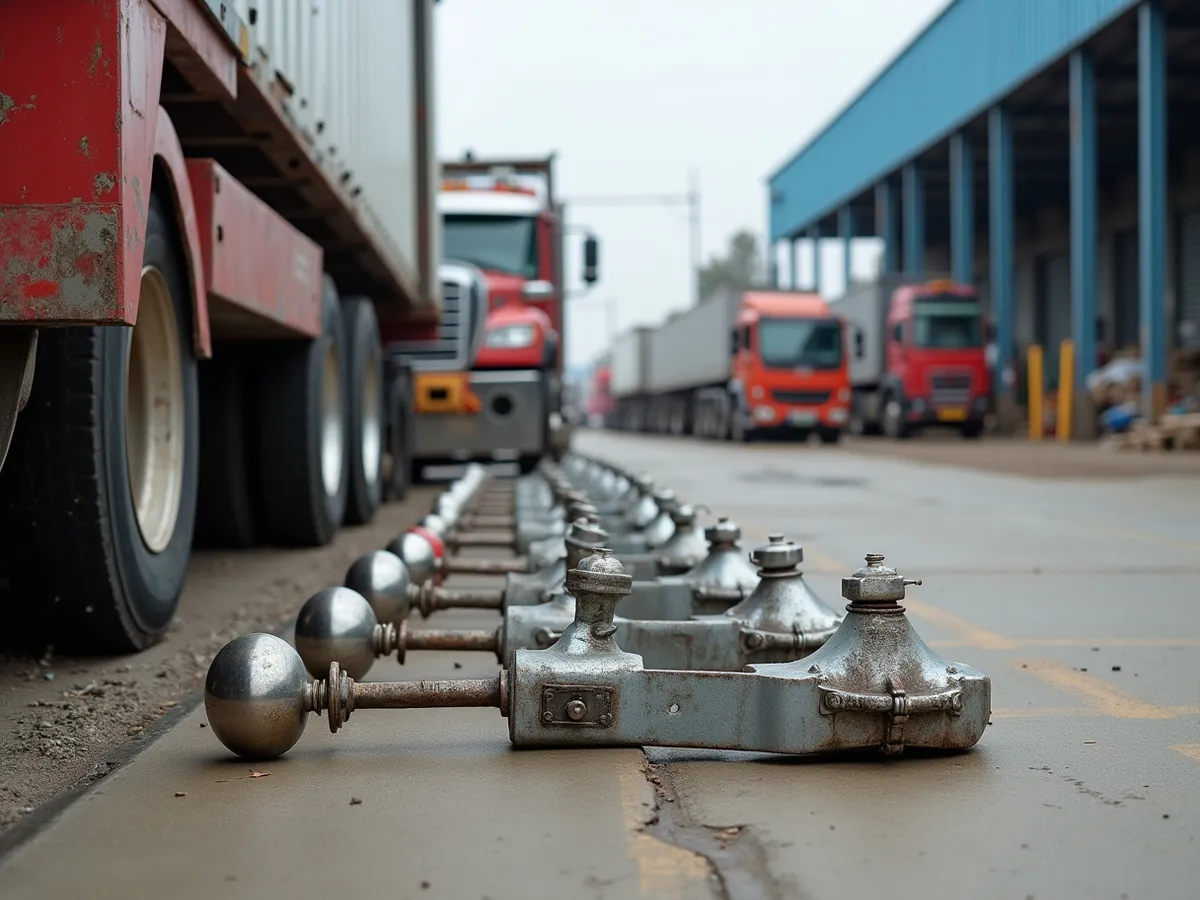
Gooseneck Ball Size
A guide to gooseneck ball sizes and how to match the ball to the trailer's coupler, because the wrong size looks shut but lets go under a bump.
$40–$140 varies by truck, capacity and install
-

Gooseneck Trailer Ball Size
How to read a gooseneck trailer's ball requirement from the trailer side — coupler markings, trailer weight and the ball rating that has to carry the pin load.
$60–$220 varies by truck, capacity and install
-
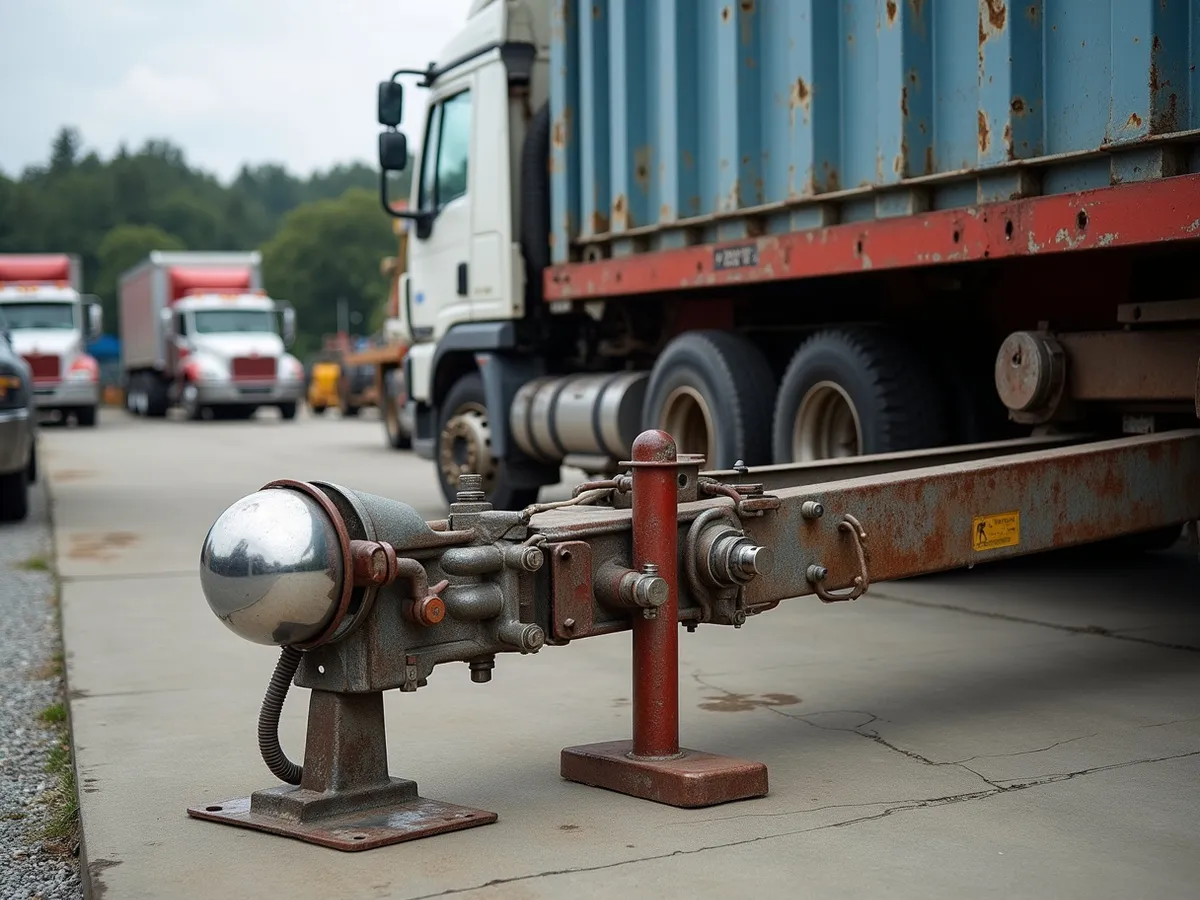
Off-Road Trailer Coupler
A heavy-duty trailer coupler built for rough ground, chosen by the ball size, the trailer's weight and the latch that has to stay shut over rough trails.
$140–$420 varies by truck, capacity and install
-
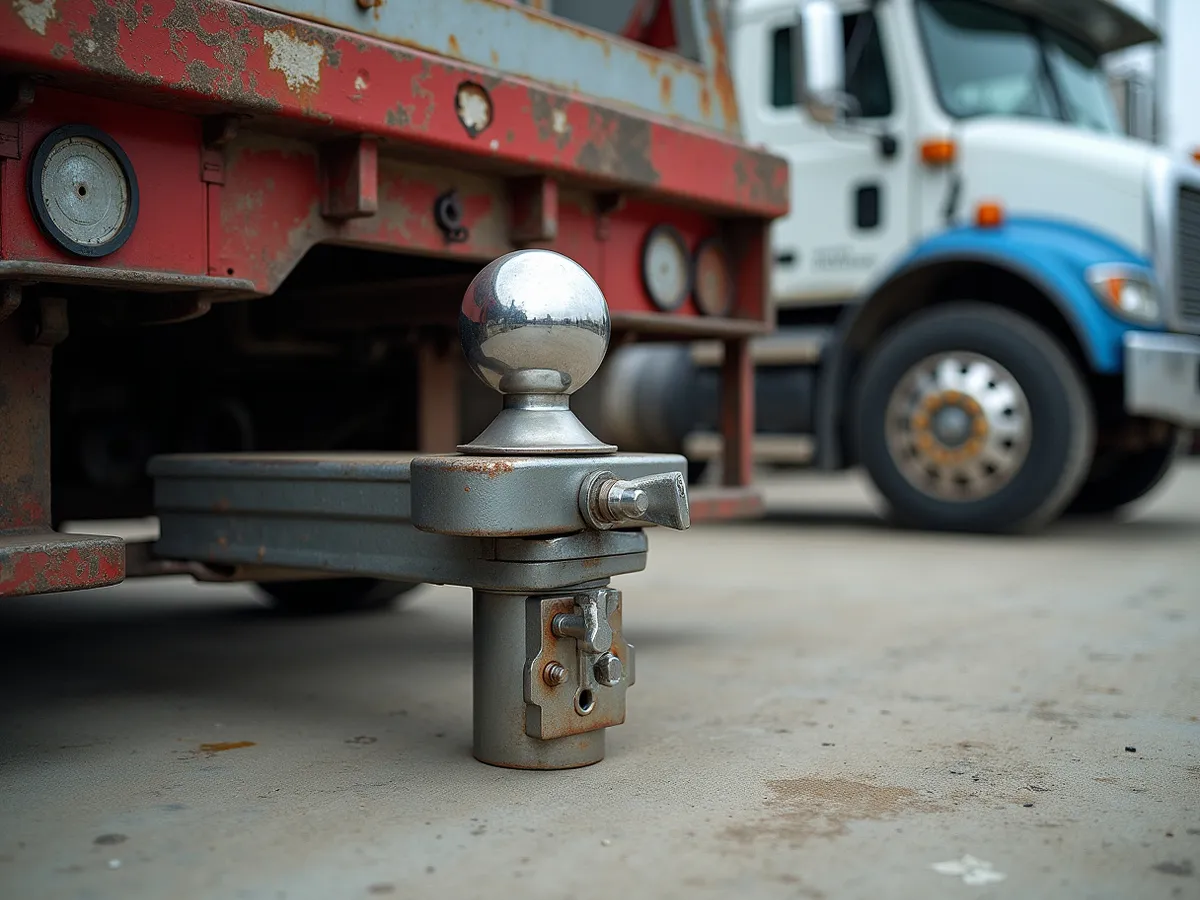
Standard Gooseneck Ball Size
The standard gooseneck ball size explained — what counts as the common size, what it fits, and why a standard ball still has to be checked against the truck's rating.
$40–$140 varies by truck, capacity and install
-

Weigh-Safe Gooseneck Ball
A gooseneck ball with a built-in tongue-weight gauge, so you can see the pin load on the ball before you tow rather than guess at it from a chart.
$280–$620 varies by truck, capacity and install


How-to and cost guides
Plain answers before you commit to a job.
-
How to Mount a Gooseneck Hitch
Mounting a gooseneck hitch means cutting an opening in the bed floor over the rear axle, fitting reinforcement below the bed to the frame rails, and setting a ball and its mechanism so the trailer pivots over the strongest part of the truck.
-
Tow Ratings and Capacities Explained
A tow rating is a set of limits that all apply at once, and the one you can actually use is the lowest of them.
-
Winch Recovery Basics
A winch recovery is a controlled pull with a strong line and a rated anchor, done slowly enough that nothing breaks and nobody stands in the path.
From the yard


Questions about an upfit
What is a service body upfit?
It is the whole package that turns a pickup or chassis cab into a work truck: the enclosed or open body, the shelving and drawer units inside it, the rack on top, the work lighting and the wiring that ties everything to the chassis. The body is the visible half; the storage and the wiring are the rest.
How do I know my truck can carry the body?
By weighing the whole build, not just the body. The body, the shelving, a loaded rack and an inverter all draw on the same payload allowance, and a half-ton fills up fast. We run the numbers before ordering and tell you plainly if a lighter body is the right call for your chassis.
Do you remove the pickup bed?
Where the body needs a cleaner frame to mount on, yes. A chassis cab or a truck with the bed removed gives the body a better mounting surface and more payload headroom. Whether your truck needs that depends on the body class, and we settle it during planning.
Can the rack carry ladders and pipe safely?
Only if it is rated for them and mounted to reinforced points rather than the body skin. Long material is the heaviest thing a service truck handles, so we mount the rack to the structure and check the load it will carry. A rack that leans on the panel will take the panel with it.
Do you wire the work lights and an inverter?
Yes, and each gets its own fused feed rather than a tap off the nearest harness. Work lights, beacons, an inverter and a compressor all draw on the same system, so we size the alternator and the cabling to the real load to keep the truck dependable through a full working day.
How many drawers and bins can I have?
As many as the body and the payload allow, laid out around how you work. We plan the storage by which tools come out first and how often, so the body does the organizing. That is what keeps a build from adding a small task to every job.
What does a service-body upfit cost?
An enclosed service body fitted and wired runs from about $4,800 to $14,500, with shelving, a rack, a lighting package and an inverter each adding more. The total moves with the payload class and the storage the crew carries, so treat every figure as a range.
How long does a work-truck build take?
Body lead times and the availability of specific parts set the schedule, so treat any window as a range. A shelving package with a lighting add-on is quicker than a full body lifted by a crane. With the plan and the parts settled we give you dates before the truck enters the bay.
Why Valley fleets are upfit here
- Ratings confirmed against your truck and trailer before anything is quoted.
- A written estimate that separates the hardware, the mount and the labour.
- Winch, recovery and upfit hardware fitted and wired, never just sold.
- Prices shown as ranges that vary, never as a made-up fixed number.
Request a fitment check
Tell us the fleet or the truck and how it works.