Curt Spyder Gooseneck
An under-bed gooseneck hitch system for heavy trailers, with a ball that stows flat so the bed stays usable when the trailer is unhitched.

Curt Spyder Gooseneck at a glance
- Under-bed gooseneck kit installed
- $450–$1,300
- Reinforcement brackets and frame work
- $180–$520
- Ball, safety-chain anchors and hardware
- $120–$360
- Installation labour on a heavy-duty chassis
- $260–$600
What a Spyder gooseneck is
A Spyder-style gooseneck is an under-bed hitch system that puts the trailer pivot over the rear axle, which is the steadiest place to carry a heavy tongue load. When the trailer is unhitched, the ball stows flat or flips down so the bed floor stays open for cargo. That combination, heavy capacity and a usable bed, is why gooseneck setups dominate ranch, farm and hotshot work where the truck pulls one day and hauls the next.
- Under-bed mounting with the pivot over the rear axle
- A ball that stows flat when the trailer is unhitched
- A stable platform for heavy ranch and farm trailers

Fitment by truck and bed
A gooseneck mounts through the bed and the frame, so the kit is built for a specific truck rather than a generic one. The under-bed reinforcement, the ball location and the bed cut all follow the chassis, and a short bed can limit where the pivot sits relative to the cab. We confirm the truck, the bed length and whether the frame already has the reinforcement points before a kit is chosen.
- Ford F-250 and F-350 Super Duty across the bed lengths
- Chevrolet Silverado 2500 and 3500 and GMC Sierra equivalents
- RAM 2500 and 3500 in crew and mega cab bodies
- Toyota Tundra for lighter gooseneck trailers
- Ford F-150 and Chevrolet Silverado 1500 for light use
- Nissan Frontier and Jeep Gladiator only where rated for it
How a Spyder gooseneck is fitted
An under-bed install is measured, drilled and reinforced before the ball is set, because the reinforcement is what carries the load into the frame.
-
Weigh the truck's ratings against the trailer's pin weight first.
-
Mark the pivot point set by the frame geometry on the bed floor.
-
Bolt the under-bed reinforcement between the frame rails.
-
Open the bed at the marked point and drop in the ball assembly.
-
Torque every reinforcement and ball fastener to the mount points.
-
Cycle the stow, then check the ball's torque after the first loaded pull.
What a Spyder gooseneck costs
The price of an under-bed gooseneck stacks the kit, the reinforcement and the labour, and it grows with the truck's weight class and whether the frame needs extra brackets. The figure varies with the bed length and the mount design. The price holds only once the truck itself is identified.
- Under-bed gooseneck kit installed
- $450–$1,300
- Reinforcement brackets and frame work
- $180–$520
- Ball, safety-chain anchors and hardware
- $120–$360
- Installation labour on a heavy-duty chassis
- $260–$600
What changes the gooseneck choice
Two heavy-duty trucks can need different gooseneck kits once the bed and the trailer are known. These are the variables that decide the kit before it is ordered.
- The truck's gross weight and the trailer's pin weight
- Bed length, which sets the ball position and cab clearance
- Whether the frame already carries factory reinforcement
- The stow style, whether the ball flips or lifts out
- Whether a fifth-wheel plate is wanted on the same mount
Why the pivot sits over the rear axle
A gooseneck puts the trailer's weight almost directly over the rear axle, which is the strongest part of the frame and the place that best resists a heavy pin load. That placement is why a gooseneck rides more stably than a bumper hitch pulling the same trailer. It also means the bed has to be cut and reinforced in a specific spot, and that spot is set by the truck's own geometry rather than by preference.
Keeping the bed usable between jobs
The whole appeal of a gooseneck for a working truck is that it disappears when it is not needed. When the trailer is off, the ball stows flat and the bed goes back to carrying cargo, pallets or tools. A truck that pulls a stock trailer on Monday and hauls fence posts on Tuesday needs exactly that, which is why a stowable ball is worth choosing over a fixed one for a truck that lives a double life.
Confirming the truck before ordering
A gooseneck kit is cut for one chassis, so the truck is confirmed before the kit is ordered. Send the year, make, model, bed length and the trailer's pin weight, and we settle the kit, the reinforcement and the ball position against your truck's own geometry rather than against a generic fitment chart.
More parts we fit
The rest of the hardware, priced by application.
-
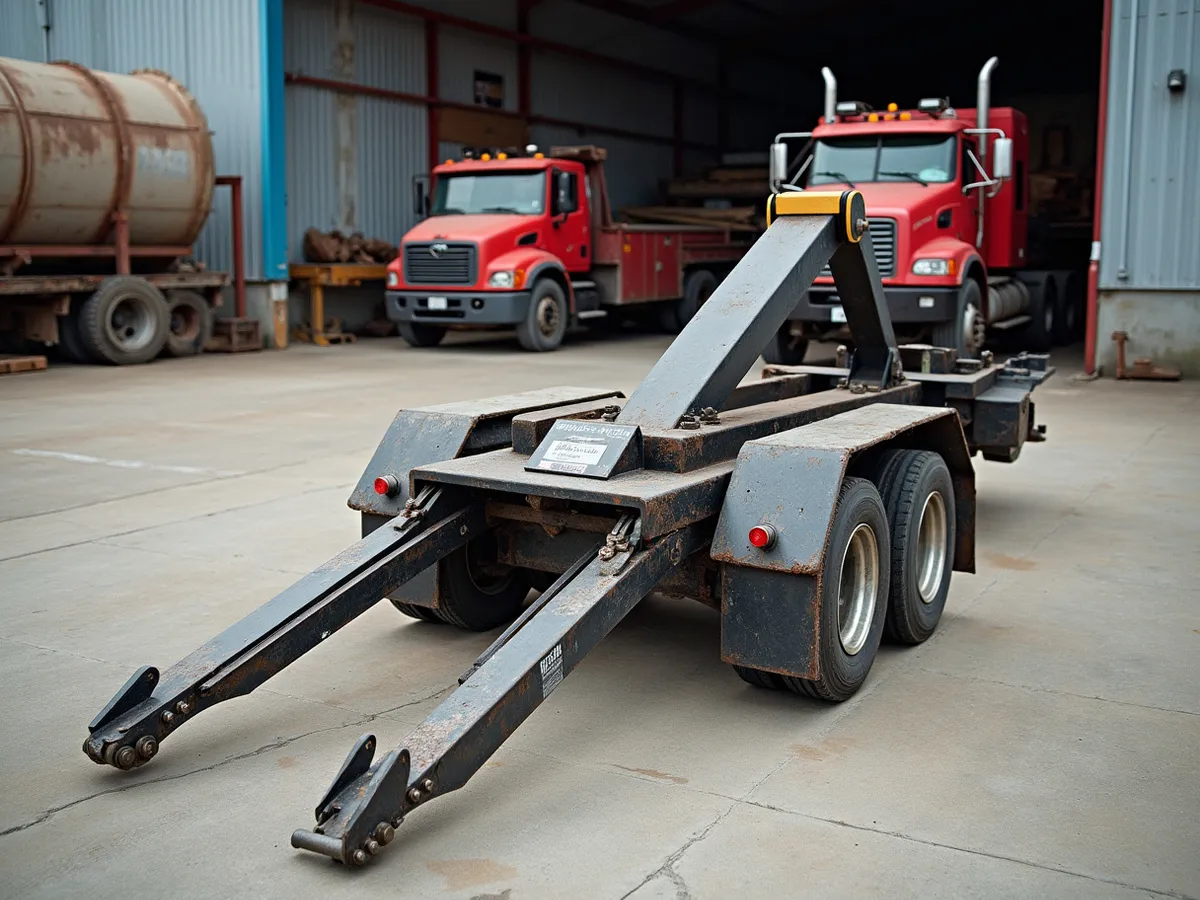
Rambler-Style Tow Bar
A folding tow bar for flat-towing a light 4x4 or car behind a motorhome, chosen by the towed vehicle's weight and the mounting points it can take.
$280–$700 varies by truck, capacity and install
-
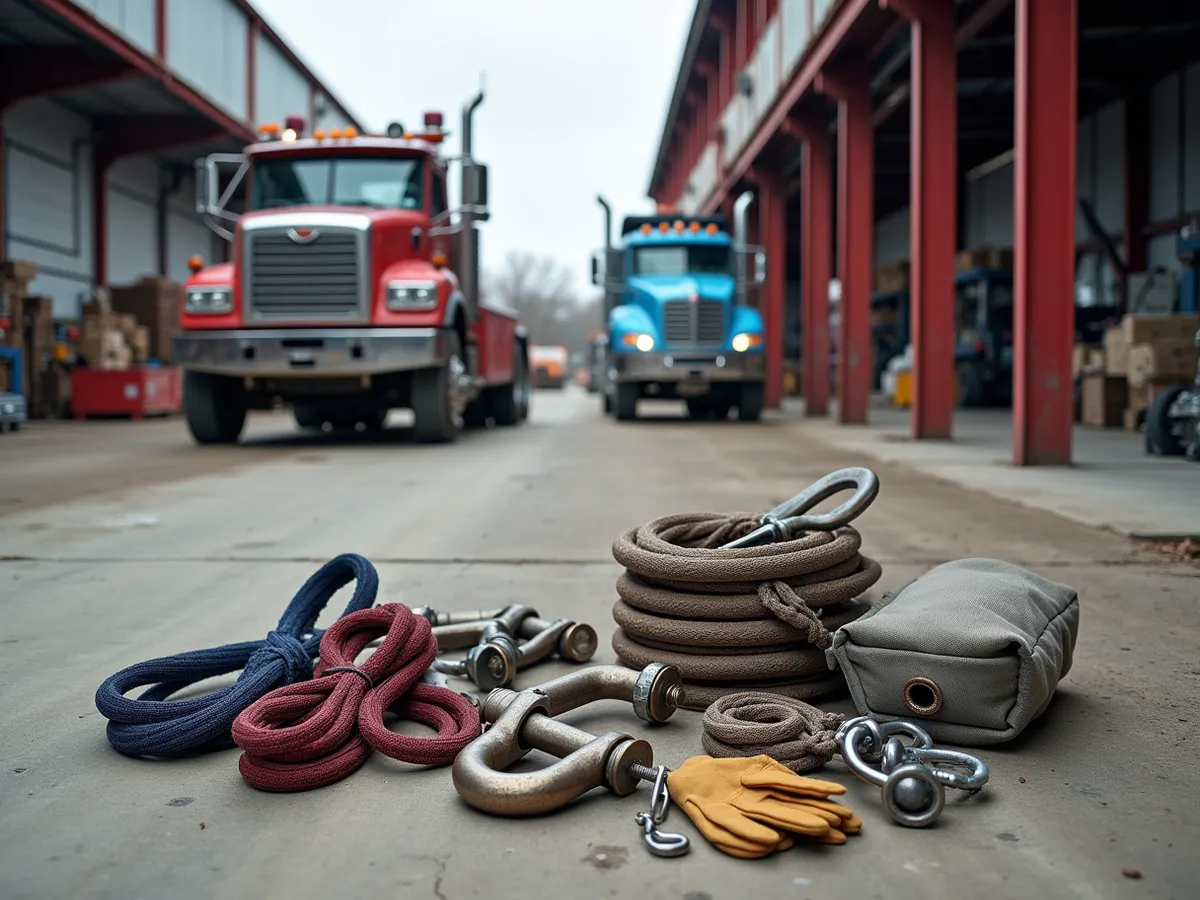
Factor 55 Recovery Gear
Recovery hardware that keeps a winch pull safe — closed-system shackles, straps and rigging chosen by the truck's weight and the recovery it will do.
$90–$260 varies by truck, capacity and install
-
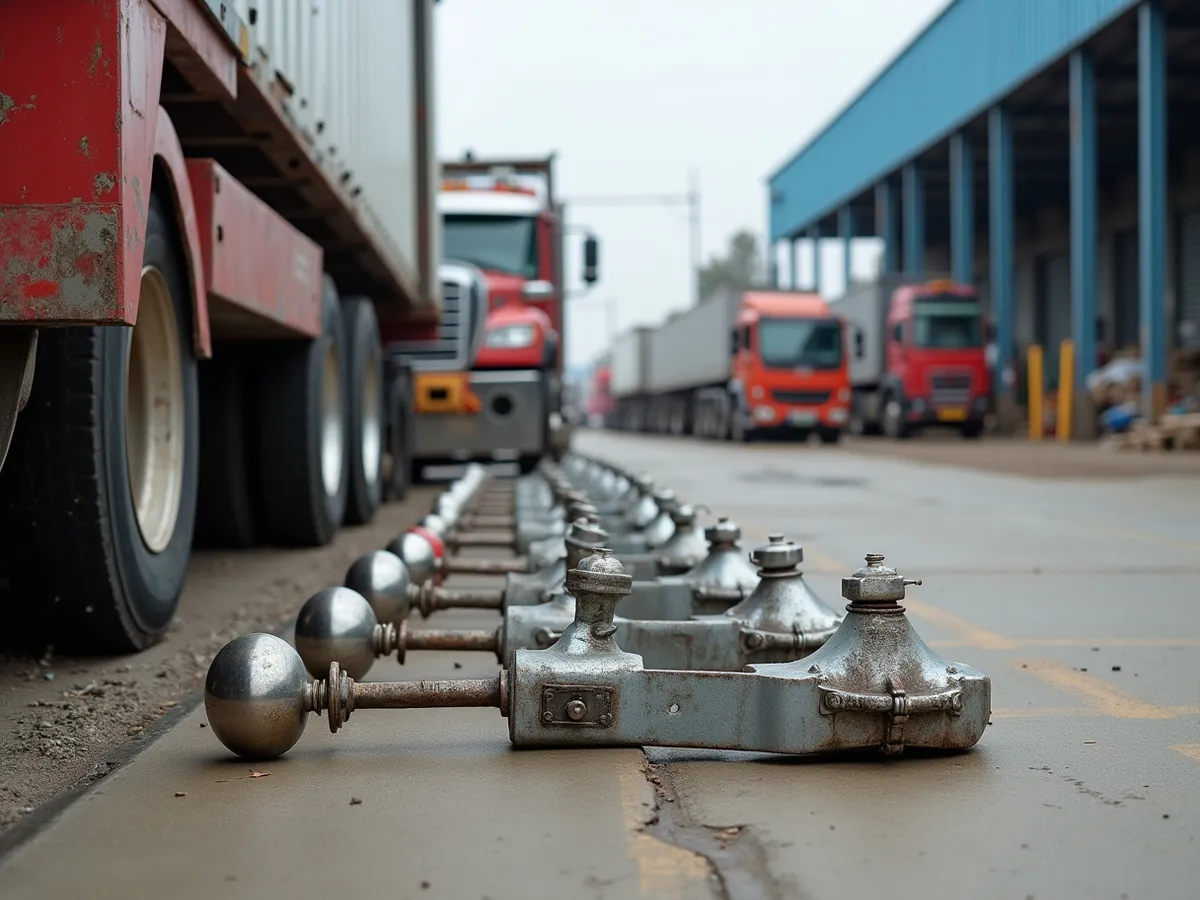
Gooseneck Ball Size
A guide to gooseneck ball sizes and how to match the ball to the trailer's coupler, because the wrong size looks shut but lets go under a bump.
$40–$140 varies by truck, capacity and install
-
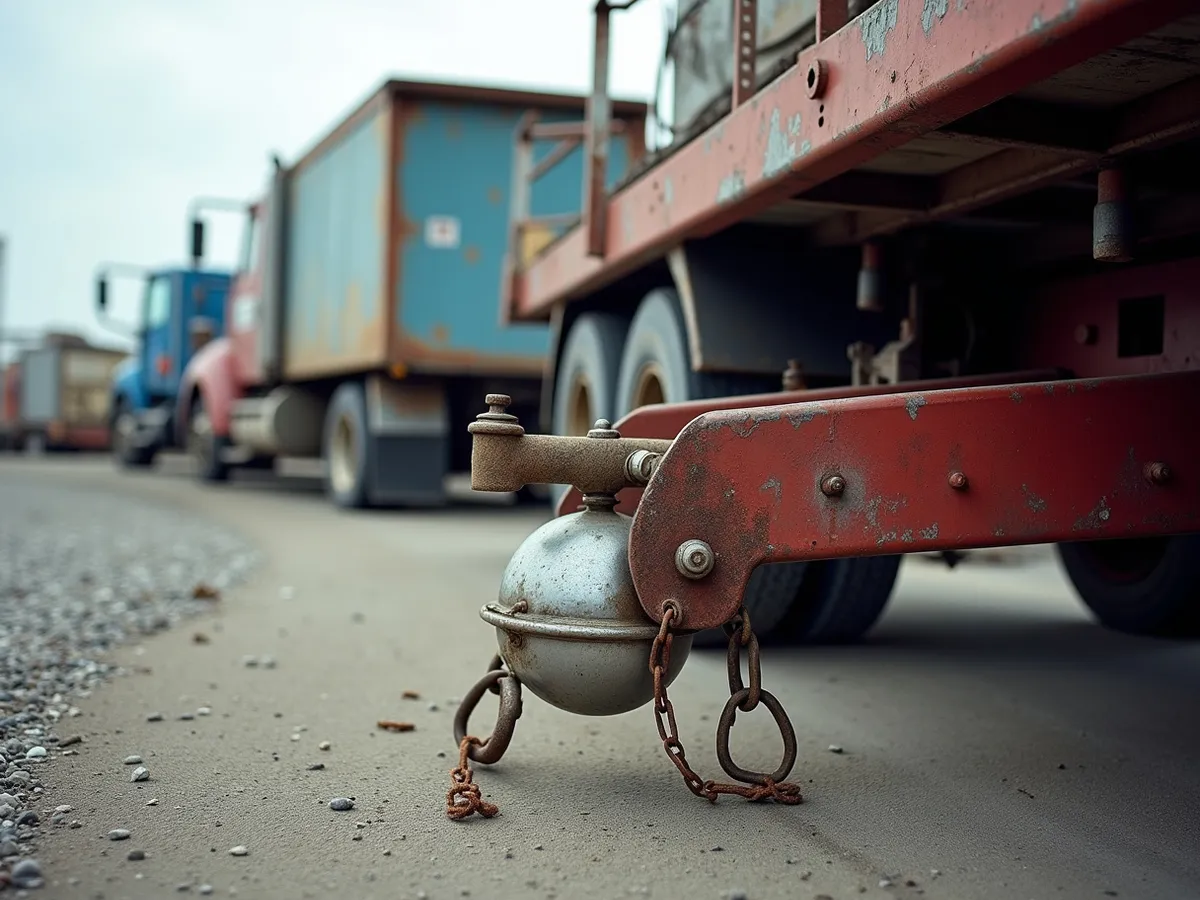
Gooseneck Trailer Ball Size
How to read a gooseneck trailer's ball requirement from the trailer side — coupler markings, trailer weight and the ball rating that has to carry the pin load.
$60–$220 varies by truck, capacity and install
-
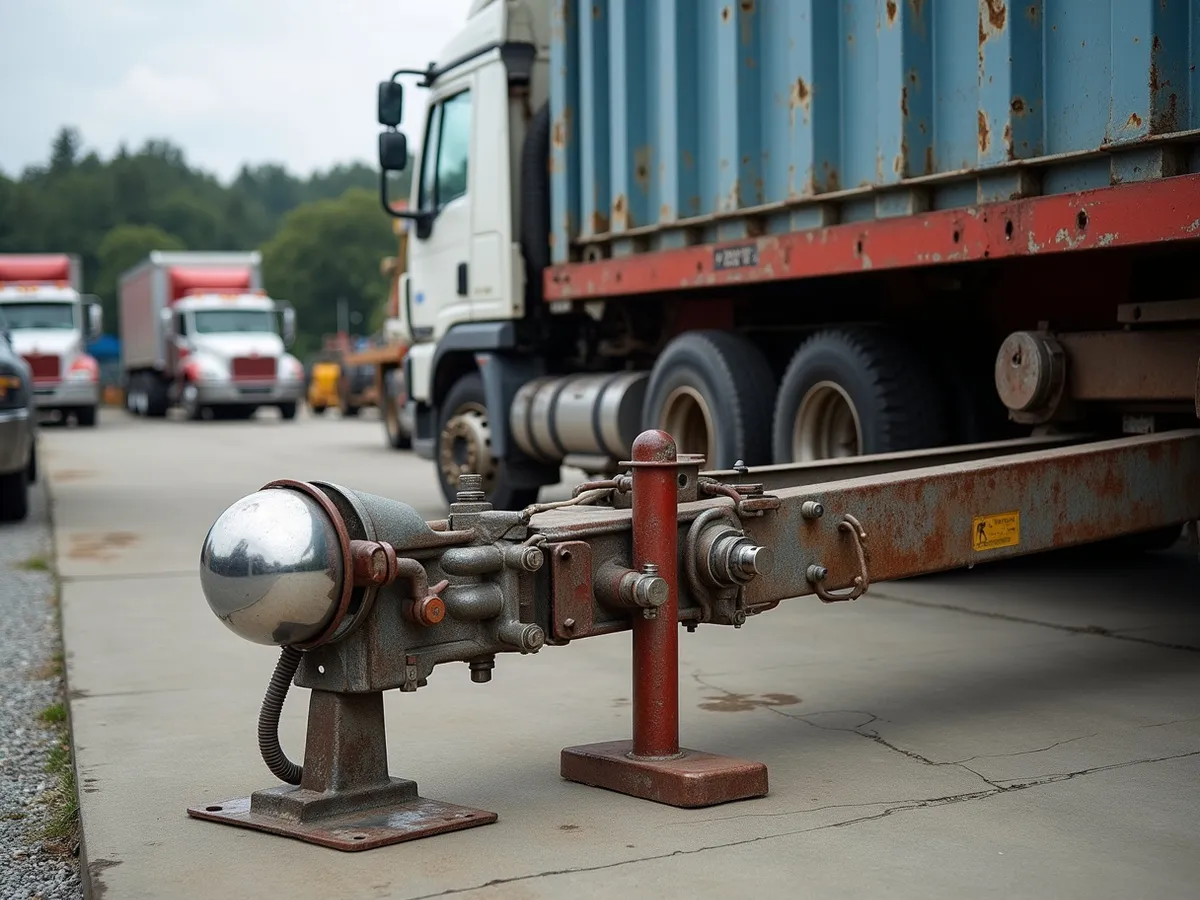
Off-Road Trailer Coupler
A heavy-duty trailer coupler built for rough ground, chosen by the ball size, the trailer's weight and the latch that has to stay shut over rough trails.
$140–$420 varies by truck, capacity and install
-
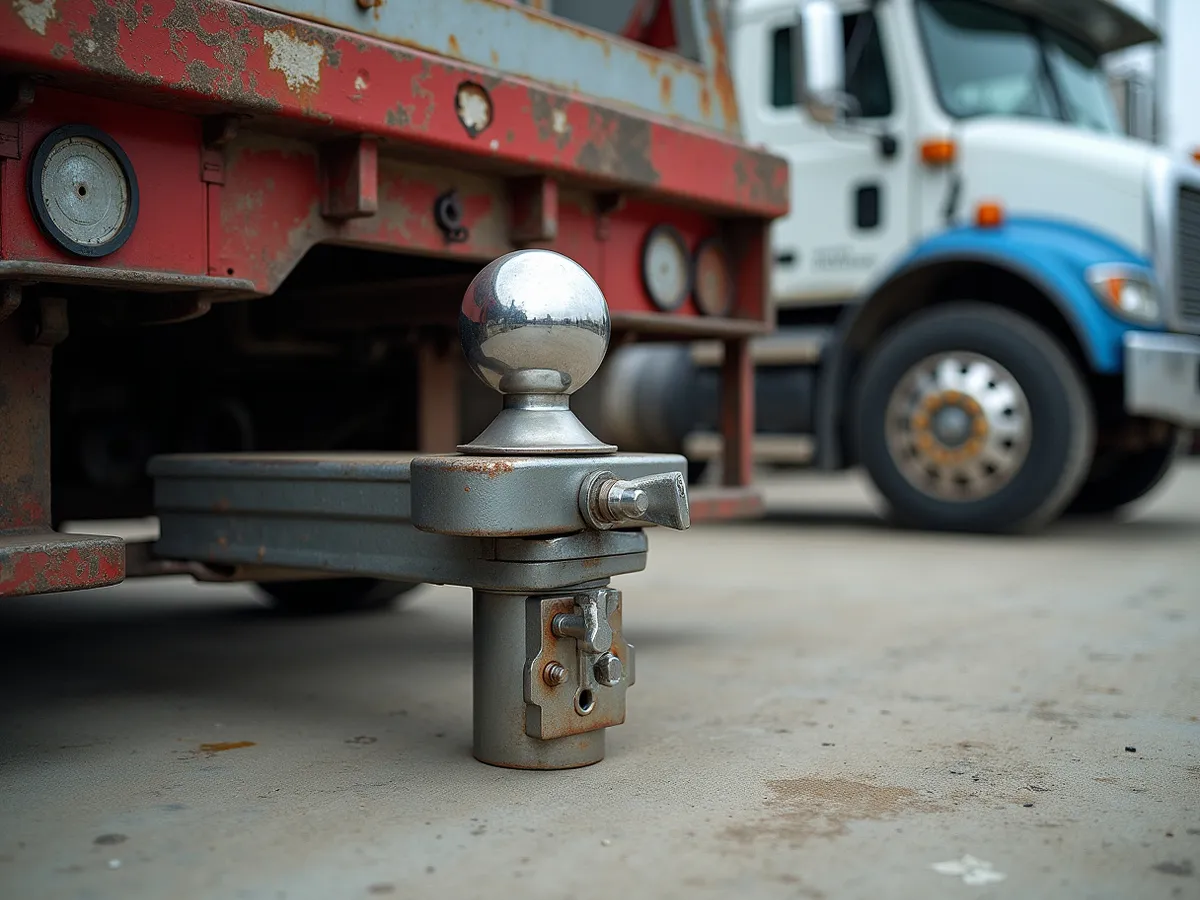
Standard Gooseneck Ball Size
The standard gooseneck ball size explained — what counts as the common size, what it fits, and why a standard ball still has to be checked against the truck's rating.
$40–$140 varies by truck, capacity and install
-
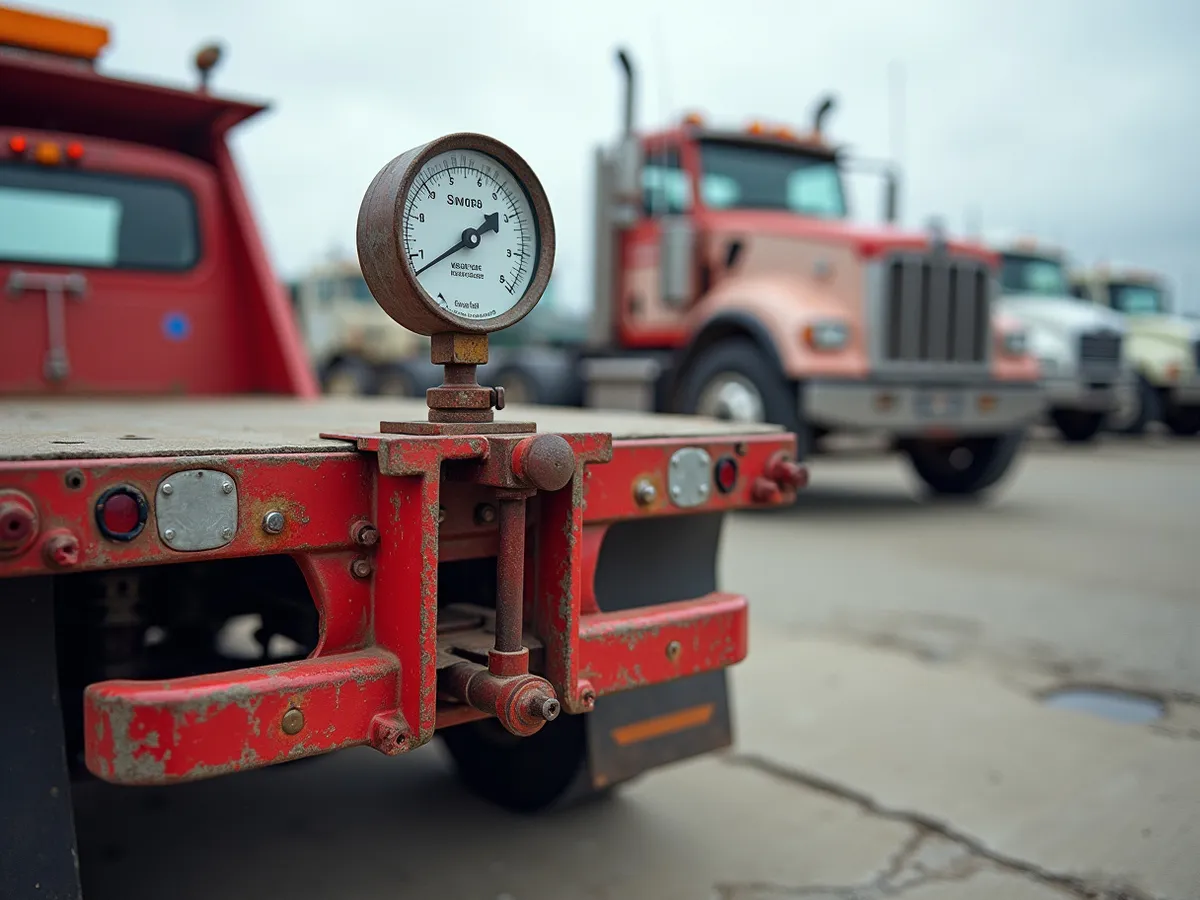
Weigh-Safe Gooseneck Ball
A gooseneck ball with a built-in tongue-weight gauge, so you can see the pin load on the ball before you tow rather than guess at it from a chart.
$280–$620 varies by truck, capacity and install


The areas we cover
Hitches, towing, recovery and commercial upfit.
-
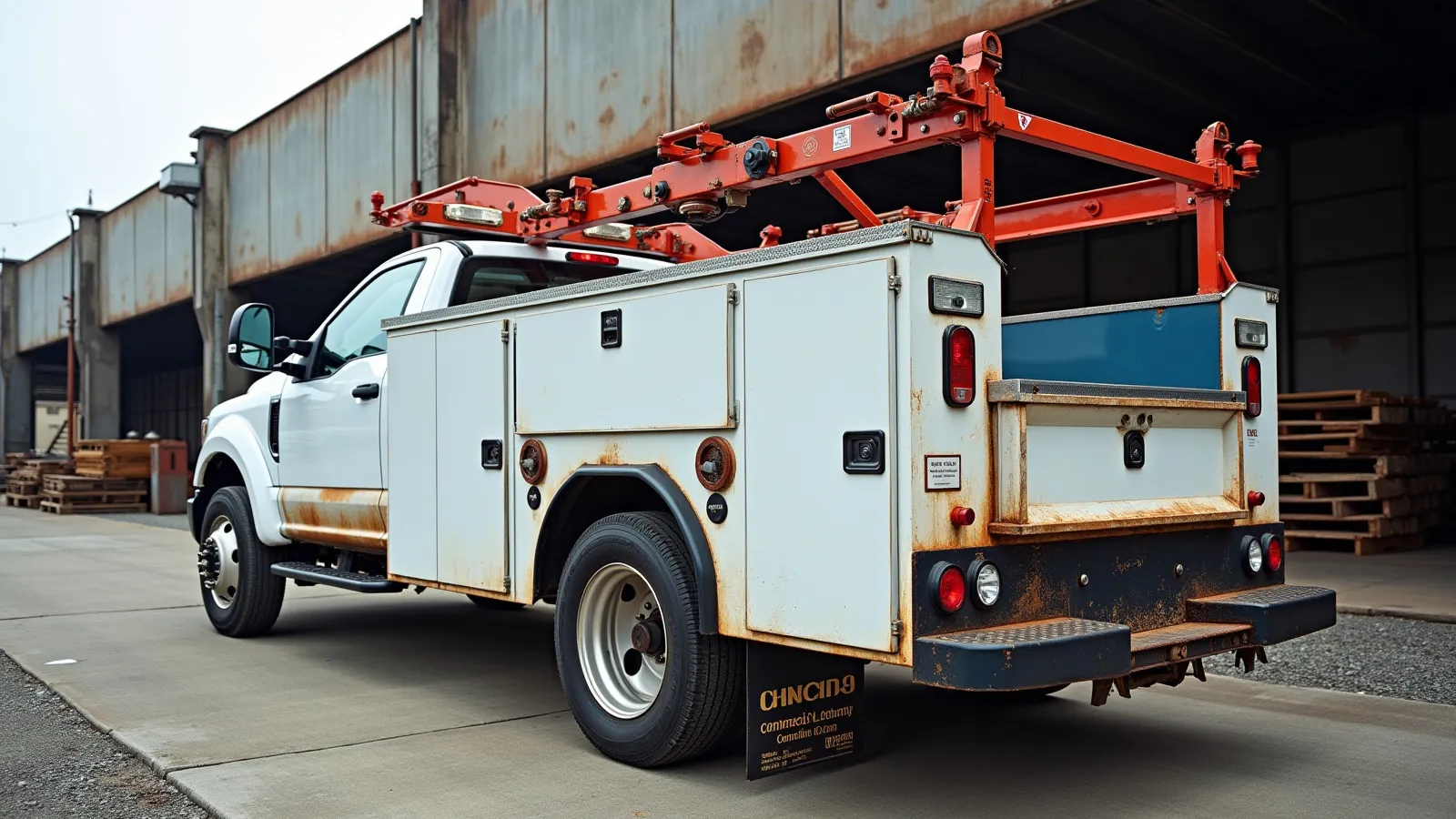
Commercial and Fleet Truck Upfitting
Commercial and fleet truck upfitting that turns a bare chassis into a working vehicle — service bodies, racks, bins, lighting and the wiring that ties them together.
-
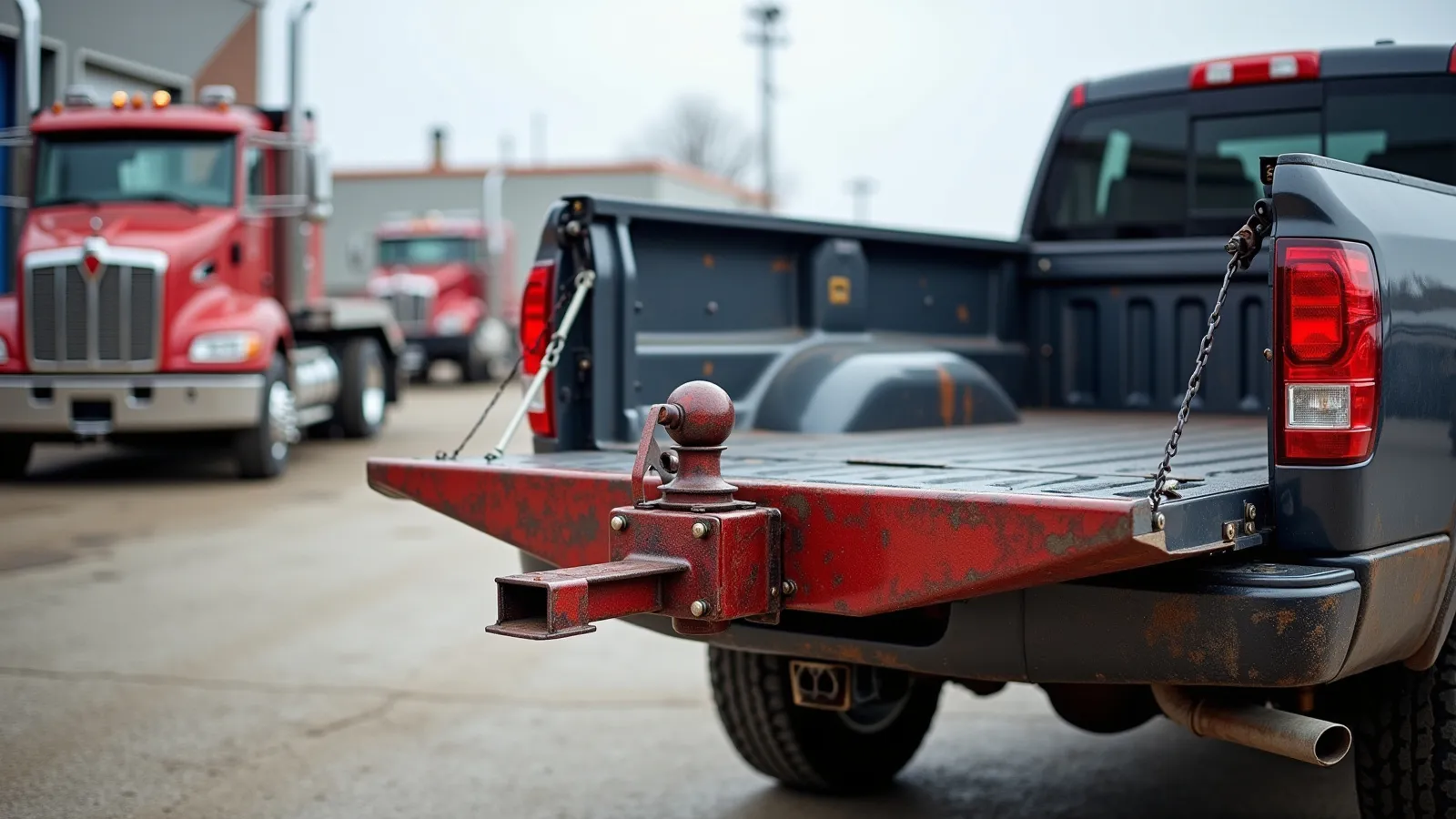
Gooseneck, Fifth-Wheel and Receiver Hitches
Gooseneck, fifth-wheel and receiver hitches for trucks that pull — chosen by class and application, not by the shape of the receiver alone, because the truck and the trailer set the real limit together.
-
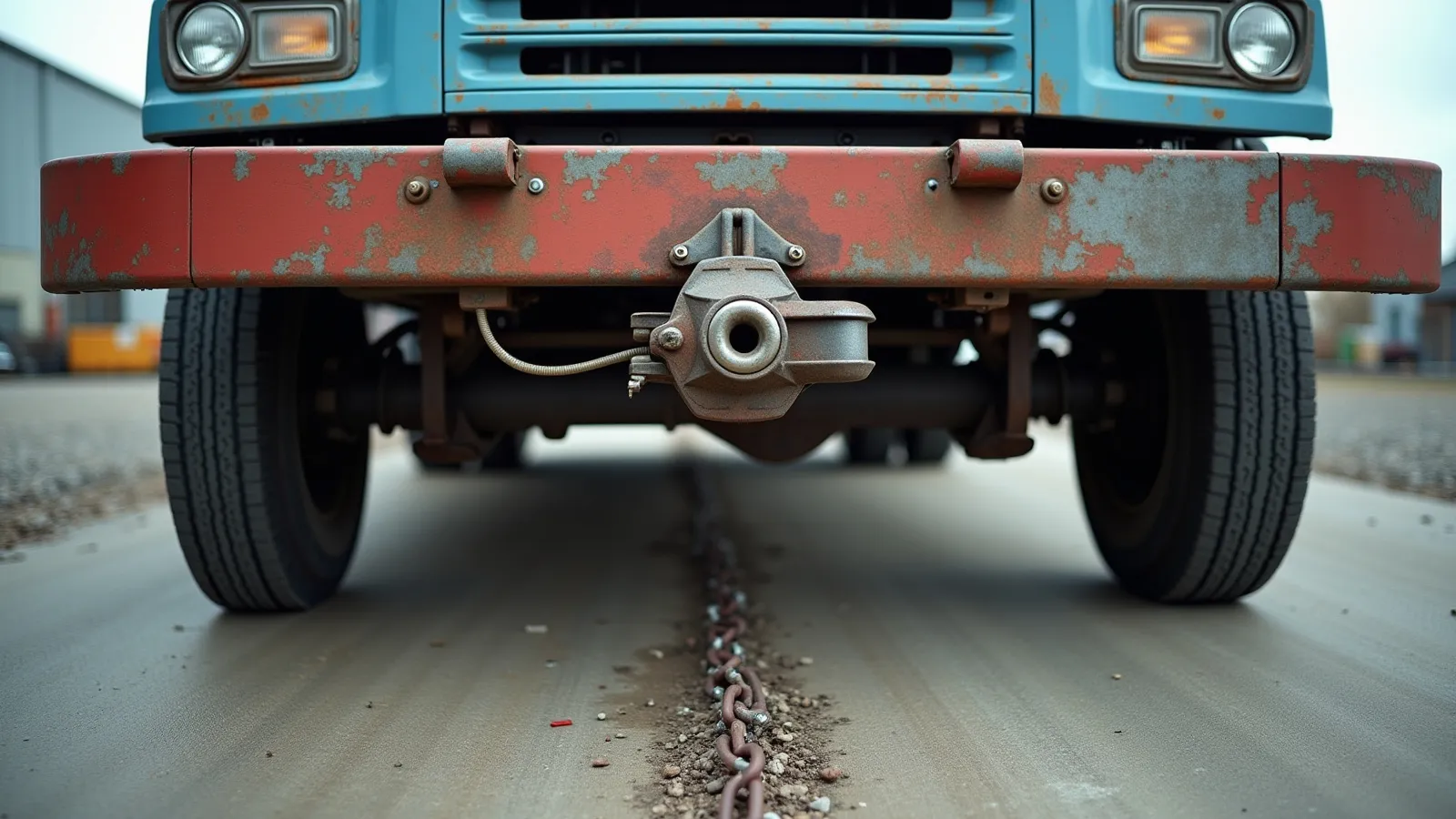
Off-Road Towing Hitches, Tow Bars and Couplers
Receiver hitches, off-road tow bars and trailer couplers sized to the truck and the trailer it pulls, with the ratings checked before a class or a coupler is chosen.
-
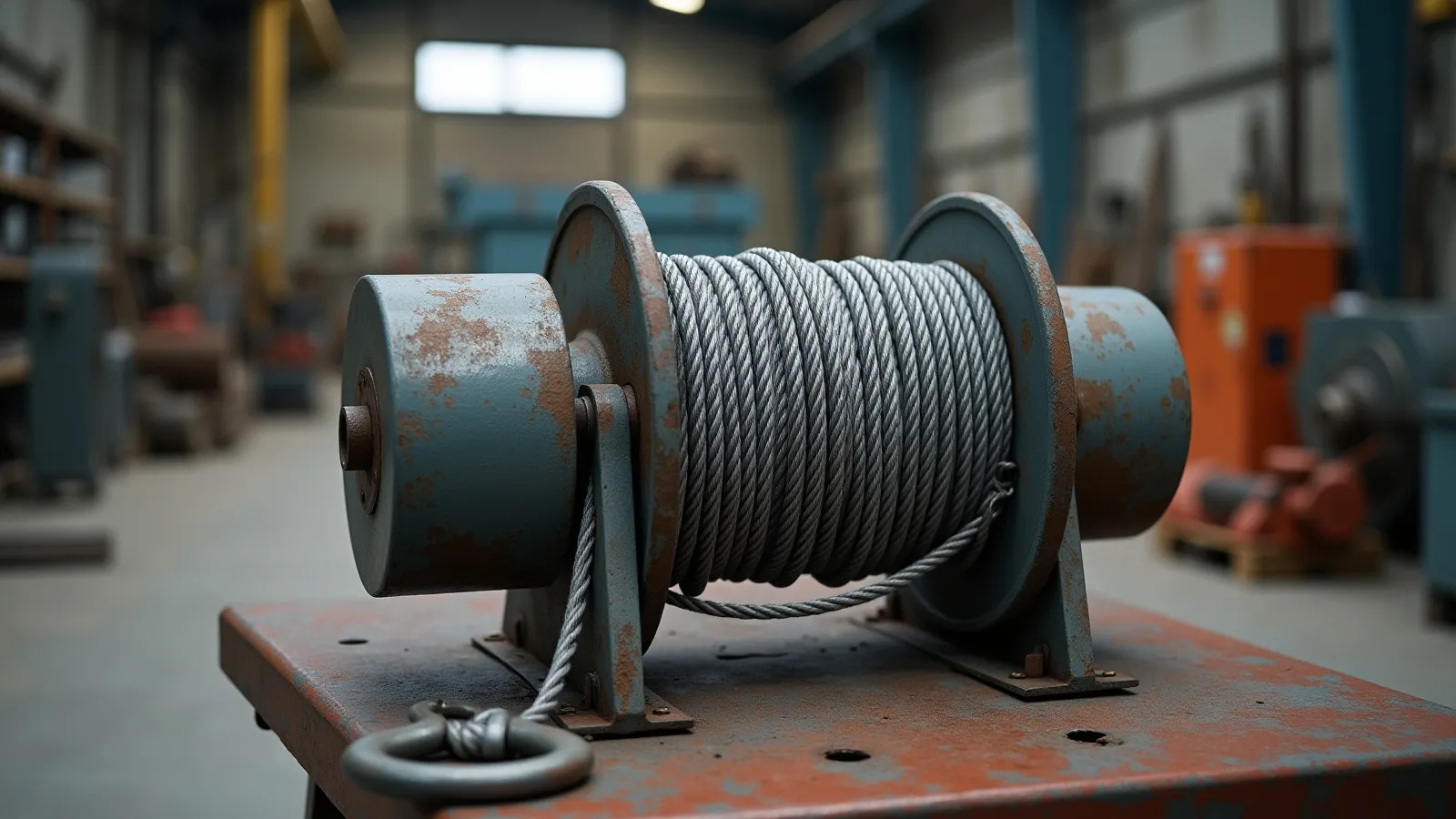
Winches, Control Boxes and Recovery Gear
Winches, control boxes and recovery gear fitted and wired to pull a stuck truck out safely, matched to the truck's weight and the pull it will actually make.


Commercial and fleet upfitting
Turning a chassis into a working truck.
-
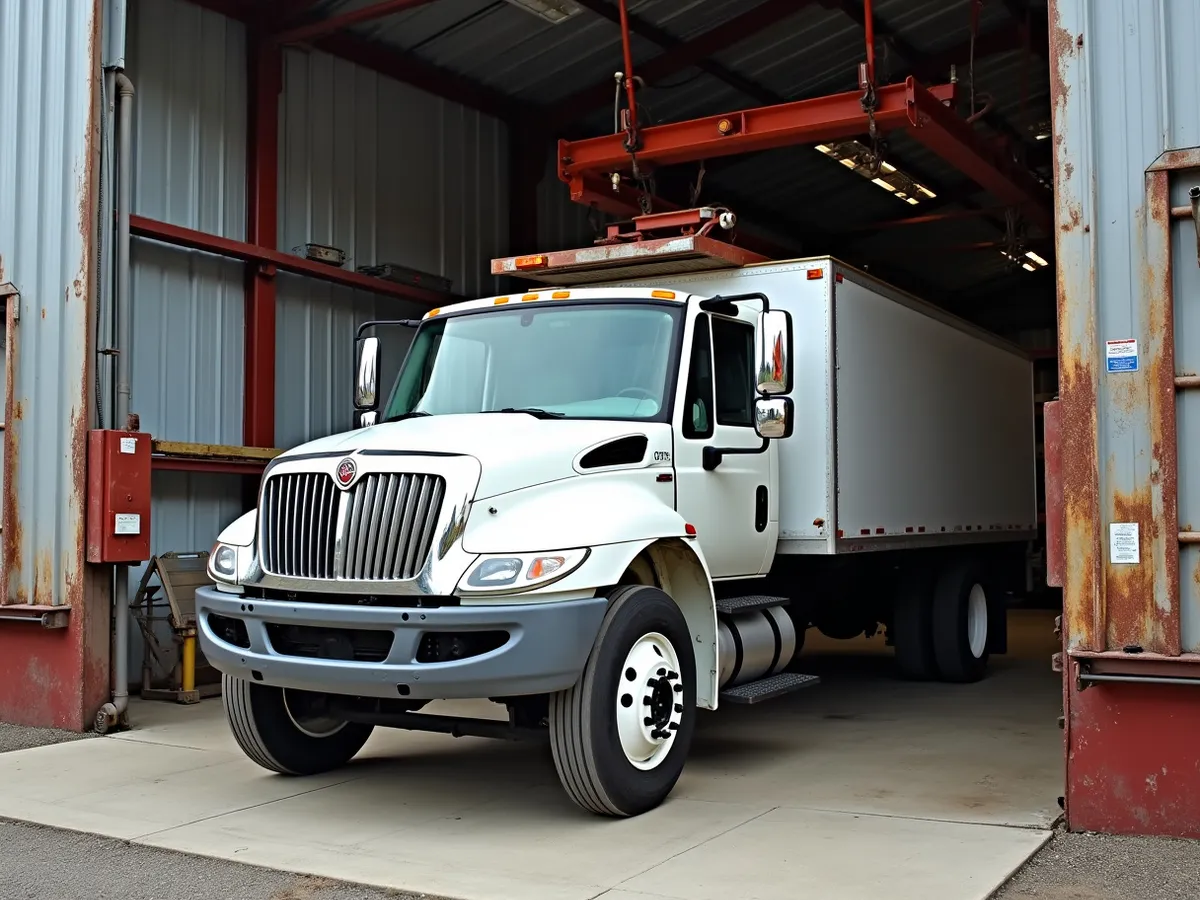
Commercial Truck Upfitting for Trades and Services
Commercial truck upfitting for plumbers, electricians, contractors and service crews — the body, the rack, the lighting and the wiring, planned around the trade before a single part is ordered.
-
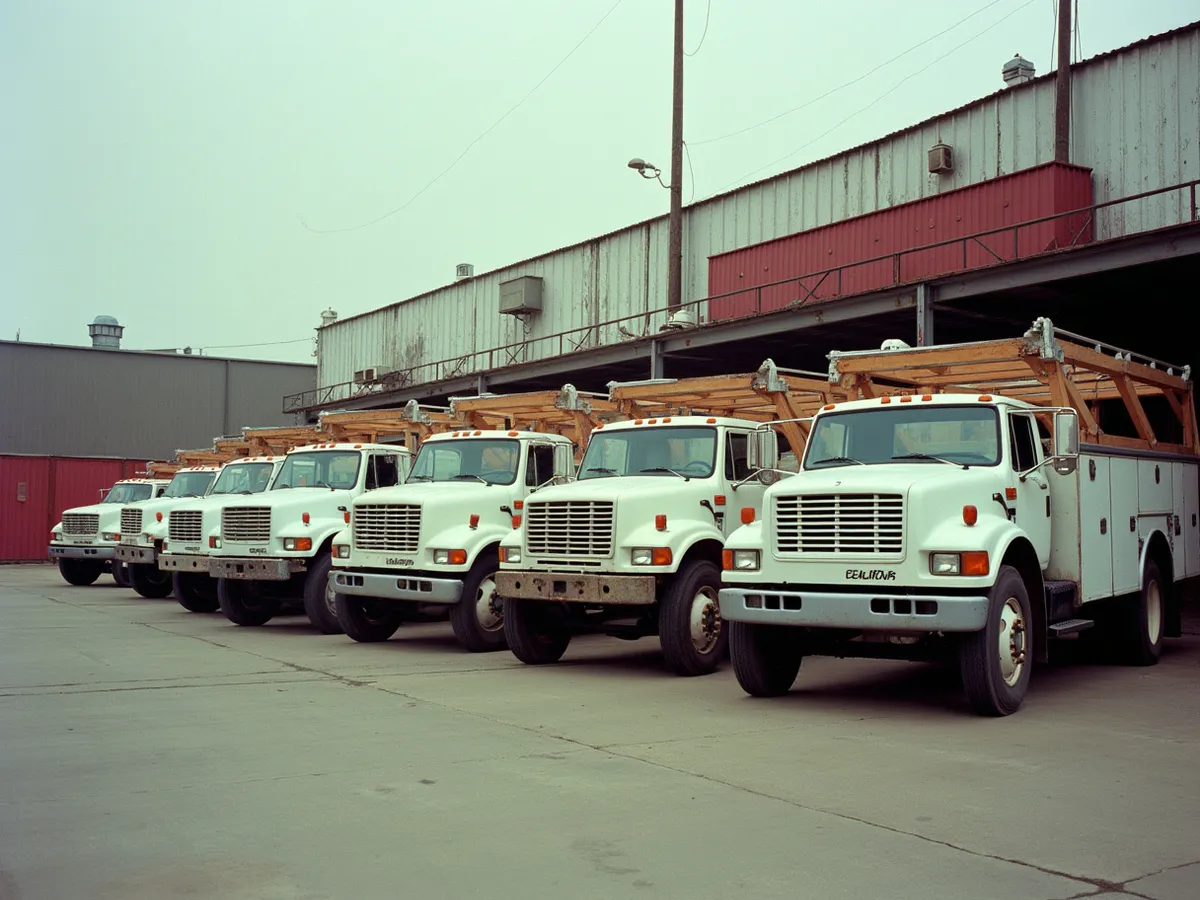
Fleet Upfitting Programs for Multi-Truck Operations
Fleet upfitting programs that lock one layout and reproduce it across every unit, so drivers moving between trucks find the same gear in the same places.
-
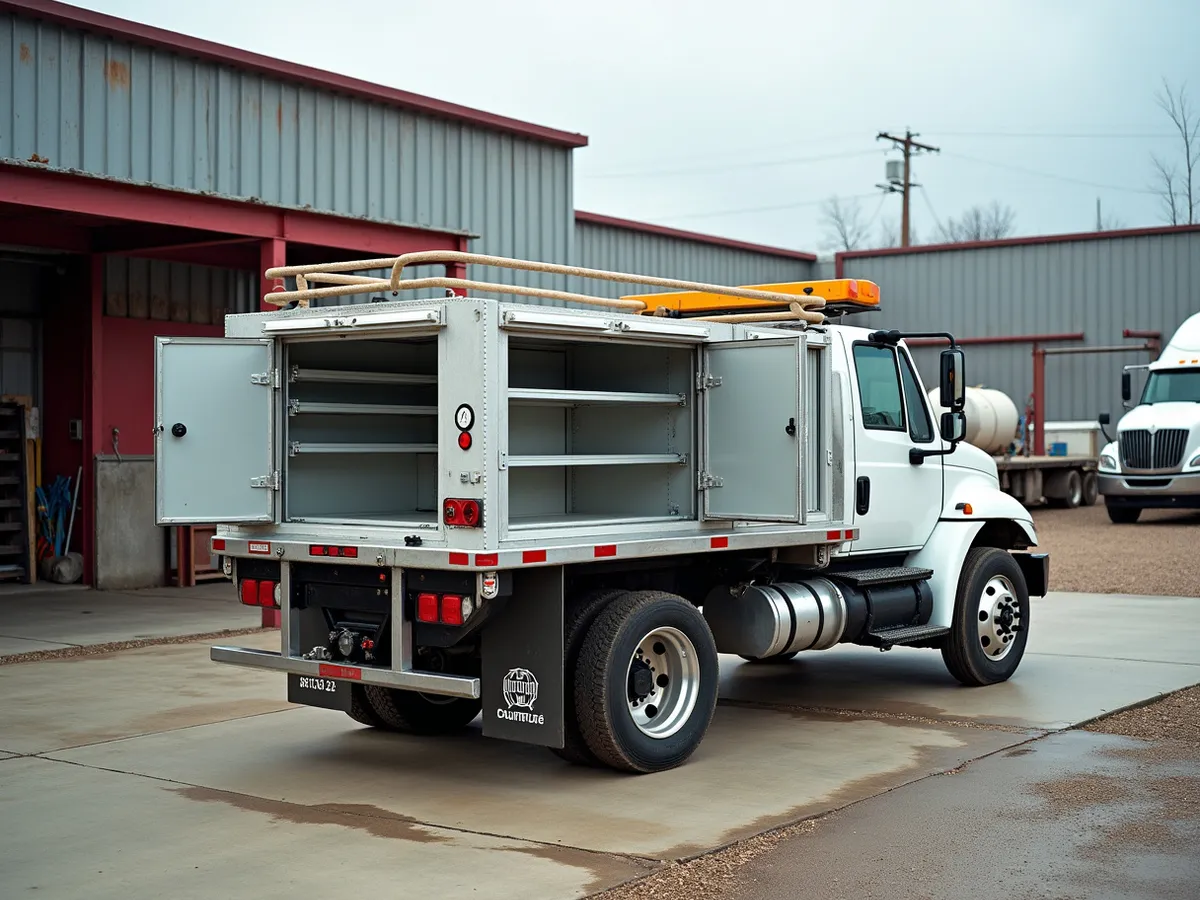
Work Truck and Service Body Upfit
Work-truck and service-body upfit that mounts a body, bins, a rack and the wiring to the chassis, planned around how a crew loads and unloads every day.


How-to and cost guides
Plain answers before you commit to a job.
-
How to Mount a Gooseneck Hitch
Mounting a gooseneck hitch means cutting an opening in the bed floor over the rear axle, fitting reinforcement below the bed to the frame rails, and setting a ball and its mechanism so the trailer pivots over the strongest part of the truck.
-
Tow Ratings and Capacities Explained
A tow rating is a set of limits that all apply at once, and the one you can actually use is the lowest of them.
-
Winch Recovery Basics
A winch recovery is a controlled pull with a strong line and a rated anchor, done slowly enough that nothing breaks and nobody stands in the path.
From the bay


Questions about this part
Will the ball leave the bed usable?
Yes. A Spyder-style gooseneck stows the ball flat or flips it down when the trailer is unhitched, so the bed floor goes back to carrying cargo. That is the main reason a working truck chooses a stowable gooseneck over a fixed one.
Do you have to cut the bed?
Yes, an under-bed gooseneck is mounted through the bed floor. The cut is measured over the rear axle and reinforced to the frame so the load goes into the chassis. The cut is planned before drilling, and the mechanism covers it when the ball is stowed.
What pin weight can it carry?
That depends on the truck's ratings as much as the kit. The gooseneck hardware may carry a high pin weight while the truck's payload and rear-axle rating set the real ceiling. We check the ball, the truck and the trailer together and quote to the lowest.
Can a fifth-wheel plate ride on the gooseneck mount?
On many kits, yes, a rail system lets a gooseneck ball and a fifth-wheel plate share related mounting points. Whether that fits your truck comes down to the chassis. Say you want both and the mount gets planned around it.
Will a short bed change the fitment?
It can. A short bed limits how far back the pivot can sit, which affects cab clearance when you turn a tall trailer. We confirm the bed length and the trailer's shape before choosing the kit, so the mount clears the cab on a full-lock turn.
What does an under-bed gooseneck cost installed?
A kit fitted runs from about $450 to $1,300, with reinforcement brackets and frame work adding more on a heavier chassis. The figure varies with the bed length and the mount design, so every number is a range.
Why Valley trucks are fitted here
- Ratings confirmed against your truck and trailer before anything is quoted.
- A written estimate that separates the hardware, the mount and the labour.
- Winch, recovery and upfit hardware fitted and wired, never just sold.
- Prices shown as ranges that vary, never as a made-up fixed number.
Request a fitment check
Tell us the truck and what you need fitted.