Rambler-Style Tow Bar
A folding tow bar for flat-towing a light 4x4 or car behind a motorhome, chosen by the towed vehicle's weight and the mounting points it can take.

Rambler-Style Tow Bar at a glance
- Folding tow bar
- $280–$700
- Vehicle-specific base plate
- $380–$900
- Towed-vehicle wiring and diodes
- $160–$520
- Supplementary braking system
- $700–$2,000
What a Rambler tow bar is for
A Rambler-style tow bar lets a motorhome pull a second vehicle flat, with all four wheels on the ground and no trailer underneath. The bar bolts to a base plate on the towed vehicle, folds when the pair turns and stows against the coach when it is not in use. It suits the kind of light 4x4, pickup or car that a Valley traveler wants along on a coach trip, so long as the towed vehicle's weight and its mounts are right for the bar.
- Flat-towing a light 4x4 or car behind a motorhome
- A folding bar that stows against the coach
- Base plates bolted to the towed vehicle's frame

Fitment by towed vehicle and base plate
A tow bar is only as good as the base plate it attaches to, and the base plate is specific to the vehicle. Two similar trucks can take different plates, and some vehicles have no bolt-on plate at all and need a custom mount. We confirm the towed vehicle's weight, its frame points and whether a ready-made base plate exists before a bar is chosen, because the bar and the plate are a matched pair rather than two independent parts.
- Jeep Wrangler and Gladiator for popular flat-tow setups
- Ford F-150 and Ranger as light towed vehicles
- Toyota Tacoma and 4Runner, older and current bodies
- Chevrolet Silverado and GMC Sierra light half-tons
- Small SUVs and cars with a plate made for them
- Vehicles with no plate available, which need a custom mount
How a tow bar is fitted
The install is mostly about the base plate and the safety wiring, because the bar itself is quick once the plate is square on the frame.
-
Confirm the towed vehicle's weight and the coach's rating.
-
Fit the base plate to the vehicle's frame points.
-
Check the plate sits square and clears the bumper.
-
Mount the tow bar to the plate and set its arms level.
-
Wire the towed vehicle's lights to a coach-side feed.
-
Test the fold and the safety chain on a short pull.
What a Rambler tow bar costs
A flat-tow setup is priced as the bar plus the base plate plus the wiring, and the plate is often the larger half of the bill. The figure varies with the towed vehicle and whether a ready-made plate exists. The estimate firms up only after the towed vehicle is pinned down.
- Folding tow bar
- $280–$700
- Vehicle-specific base plate
- $380–$900
- Towed-vehicle wiring and diodes
- $160–$520
- Supplementary braking system
- $700–$2,000
What changes the flat-tow setup
Two travelers towing the same model can end up with different bars and plates, because the towed vehicle's build and the coach's rating both count. These are the variables that move the list before anything is ordered.
- The towed vehicle's loaded weight and the coach's tow rating
- Whether a production base plate exists for the vehicle
- Whether a braking system is required for the towed vehicle
- Whether the towed vehicle is automatic and flat-towable
- How the bar stows and where it sits when folded
Why flat-towable is a real question
Not every vehicle can be flat-towed, and the ones that cannot will damage their transmission or transfer case if they are dragged with the wheels down. An automatic two-wheel-drive is usually the worst offender, while many true 4x4s with a neutral transfer case are exactly what flat-towing was made for. Confirming that the vehicle can be flat-towed comes before choosing a bar, because a bar on the wrong vehicle is money spent on a problem.
Braking and lighting on the towed side
A towed vehicle is a trailer for legal purposes, and in most cases it needs its own brakes and working lights. A supplementary braking system applies the towed vehicle's brakes as the coach slows, which keeps a heavy rig from pushing the coach through a stop. The taillights are tapped through diodes so the coach can signal without back-feeding the towed vehicle's own circuits, and both belong in the plan from the start.
Confirming the combination before ordering
A flat-tow setup depends on two vehicles agreeing, so both are confirmed before a bar or a plate is ordered. Send the towed vehicle's year, make and model along with the coach's tow rating, and we settle whether it can be flat-towed, which plate it takes and what braking and lighting the rig needs.
More parts we fit
The rest of the hardware, priced by application.
-
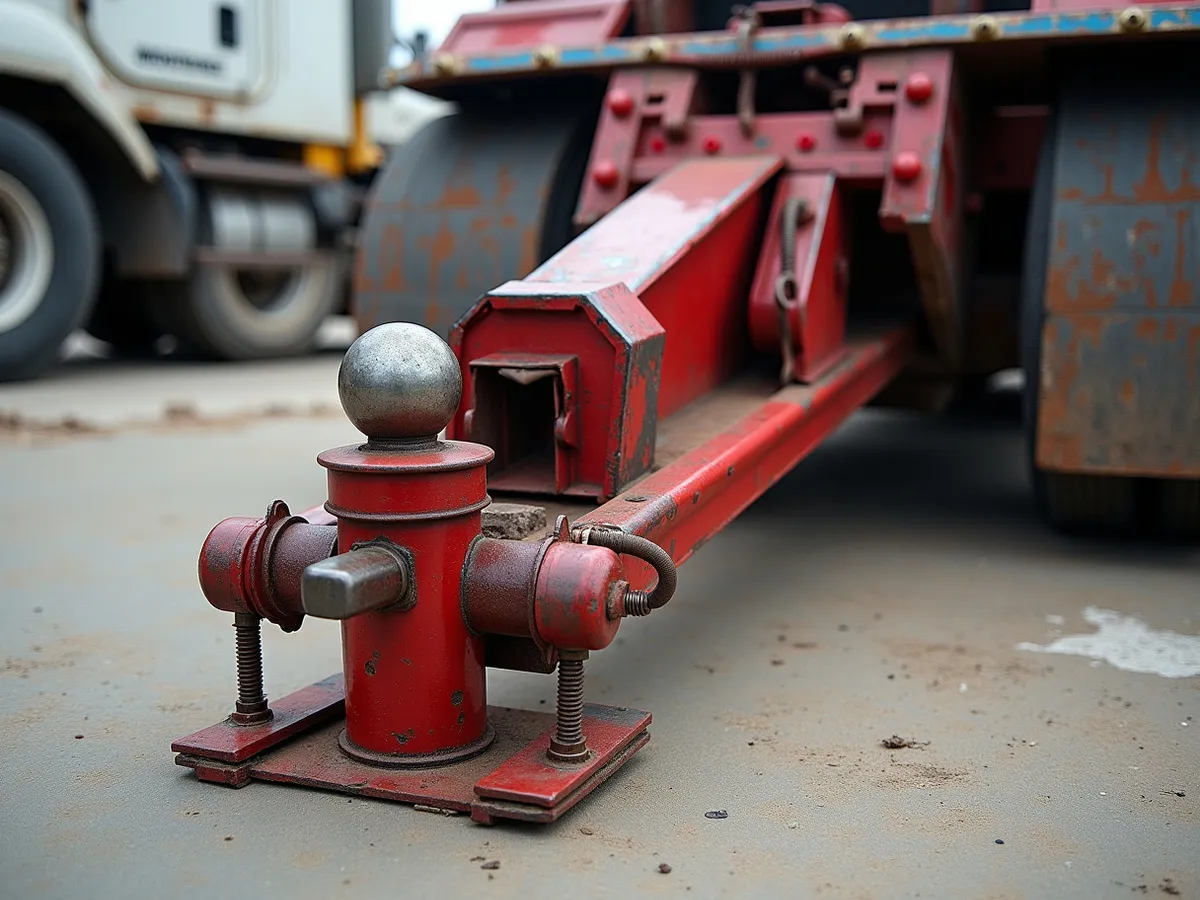
Curt Spyder Gooseneck
An under-bed gooseneck hitch system for heavy trailers, with a ball that stows flat so the bed stays usable when the trailer is unhitched.
$450–$1,300 varies by truck, capacity and install
-
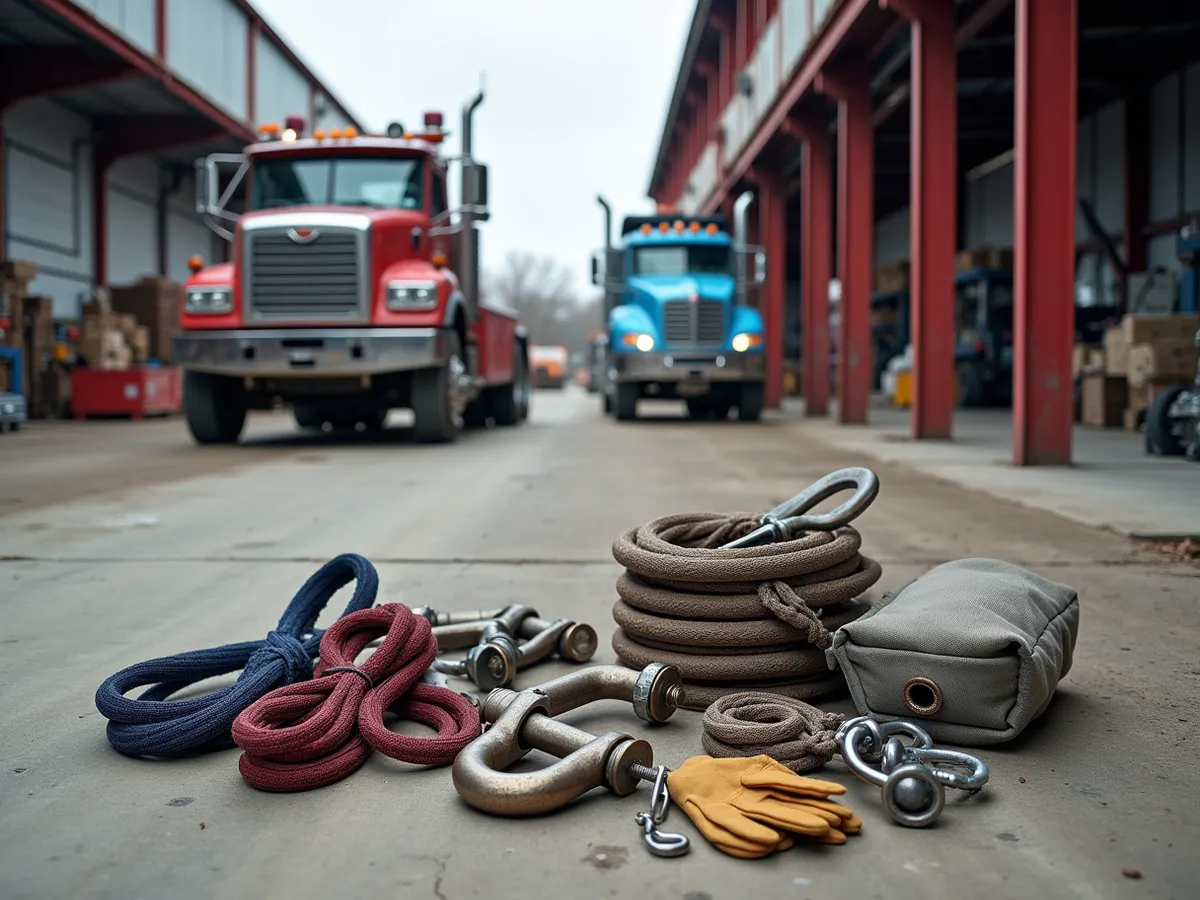
Factor 55 Recovery Gear
Recovery hardware that keeps a winch pull safe — closed-system shackles, straps and rigging chosen by the truck's weight and the recovery it will do.
$90–$260 varies by truck, capacity and install
-
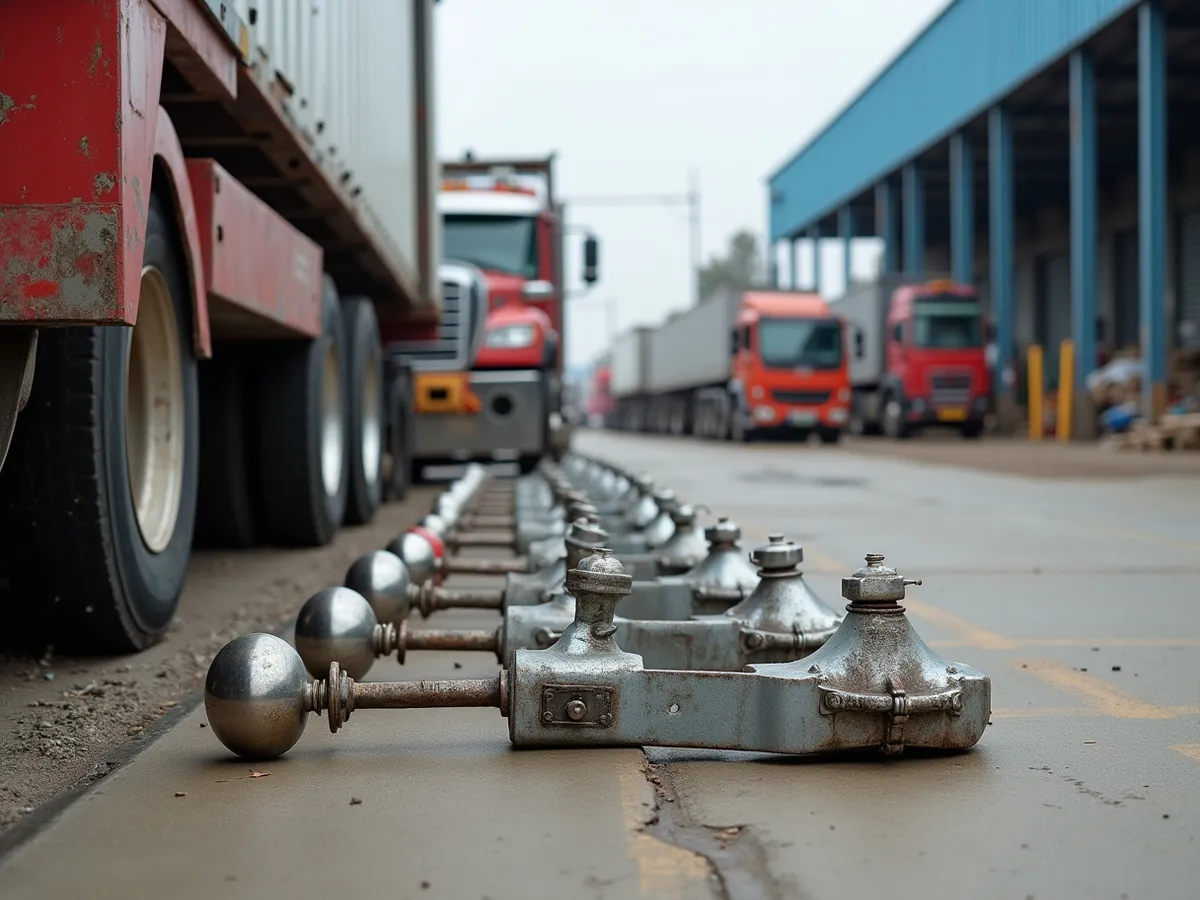
Gooseneck Ball Size
A guide to gooseneck ball sizes and how to match the ball to the trailer's coupler, because the wrong size looks shut but lets go under a bump.
$40–$140 varies by truck, capacity and install
-
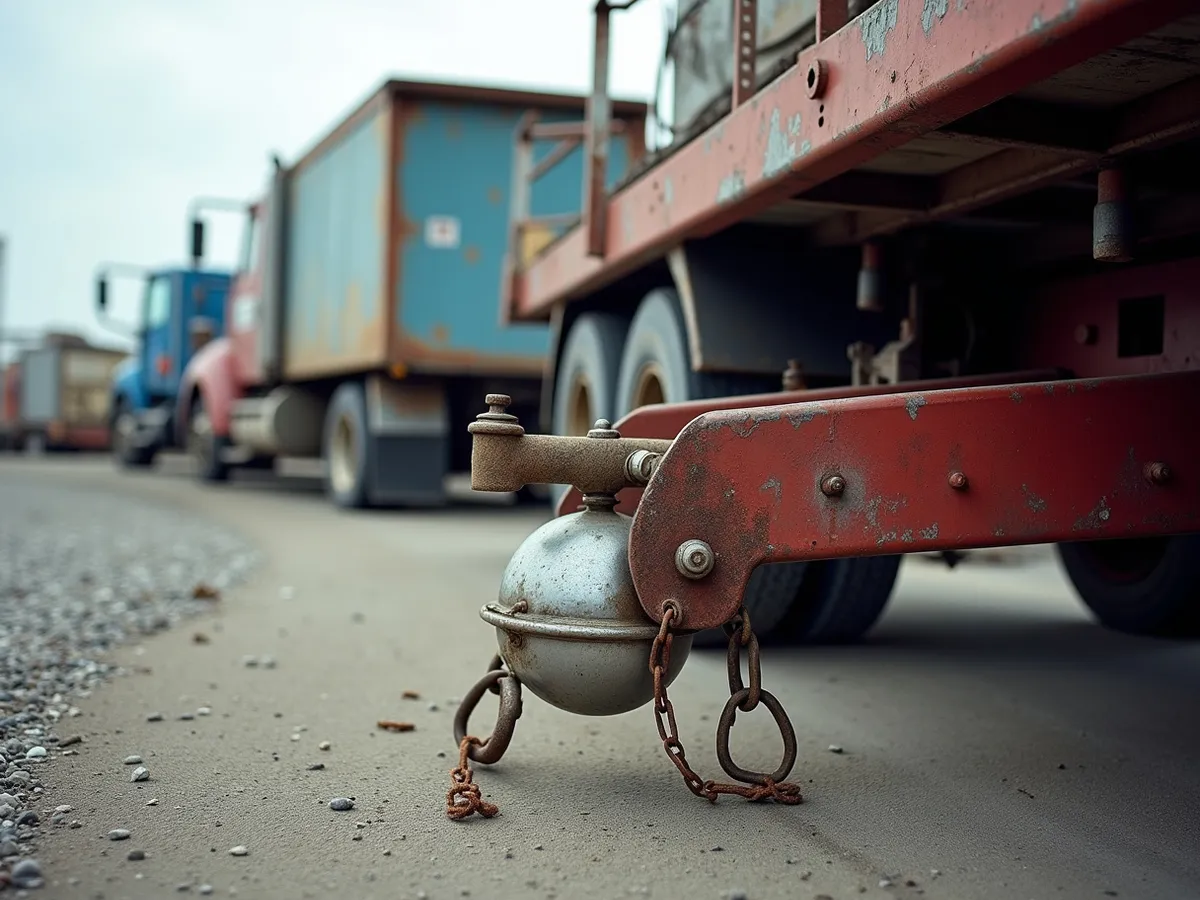
Gooseneck Trailer Ball Size
How to read a gooseneck trailer's ball requirement from the trailer side — coupler markings, trailer weight and the ball rating that has to carry the pin load.
$60–$220 varies by truck, capacity and install
-
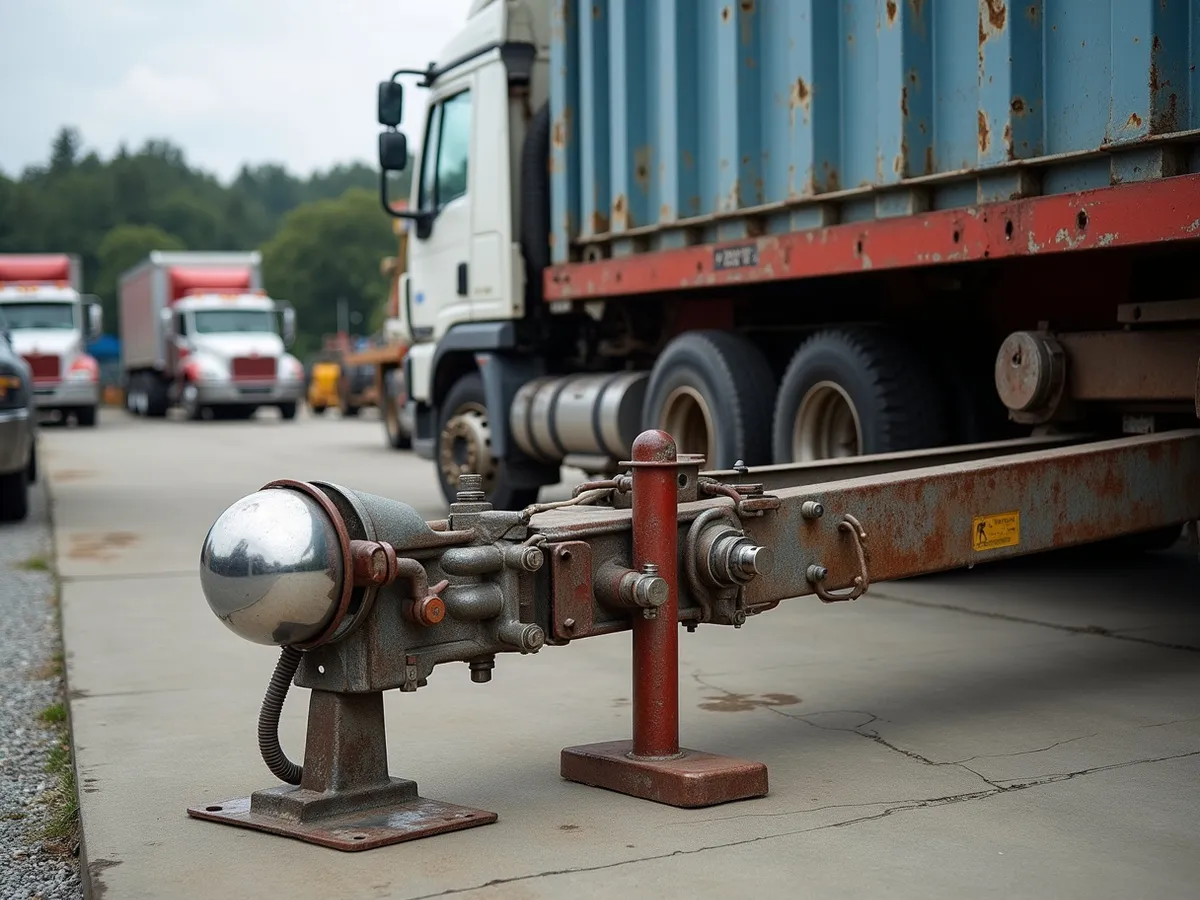
Off-Road Trailer Coupler
A heavy-duty trailer coupler built for rough ground, chosen by the ball size, the trailer's weight and the latch that has to stay shut over rough trails.
$140–$420 varies by truck, capacity and install
-
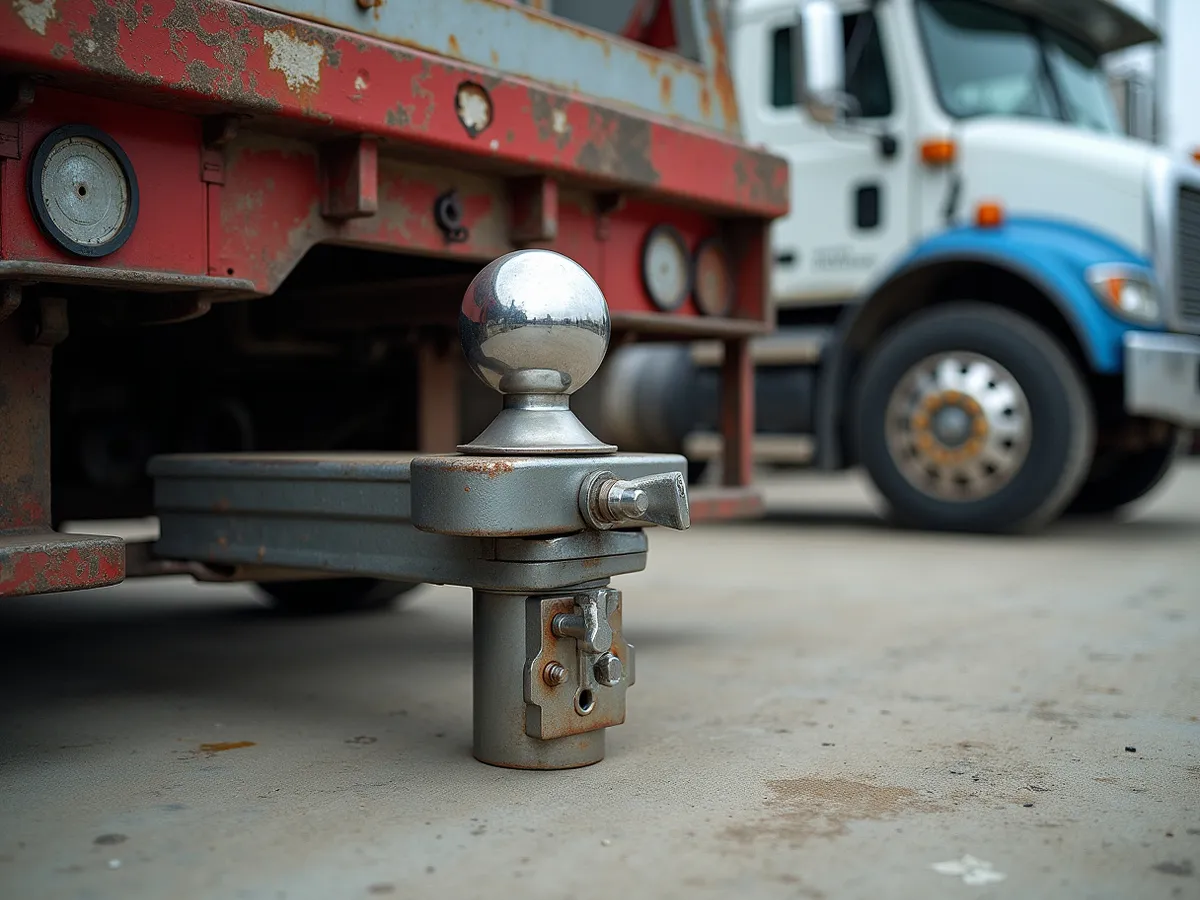
Standard Gooseneck Ball Size
The standard gooseneck ball size explained — what counts as the common size, what it fits, and why a standard ball still has to be checked against the truck's rating.
$40–$140 varies by truck, capacity and install
-
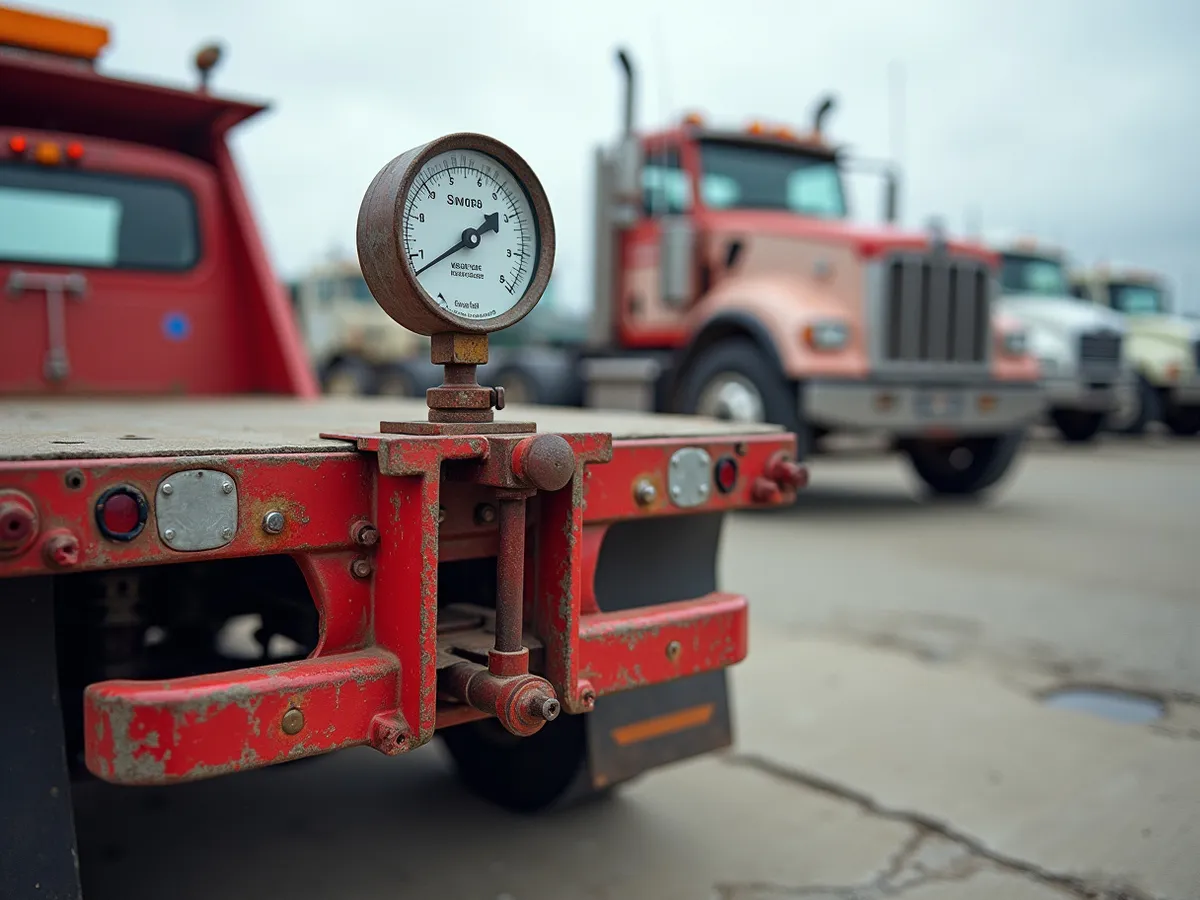
Weigh-Safe Gooseneck Ball
A gooseneck ball with a built-in tongue-weight gauge, so you can see the pin load on the ball before you tow rather than guess at it from a chart.
$280–$620 varies by truck, capacity and install


The areas we cover
Hitches, towing, recovery and commercial upfit.
-
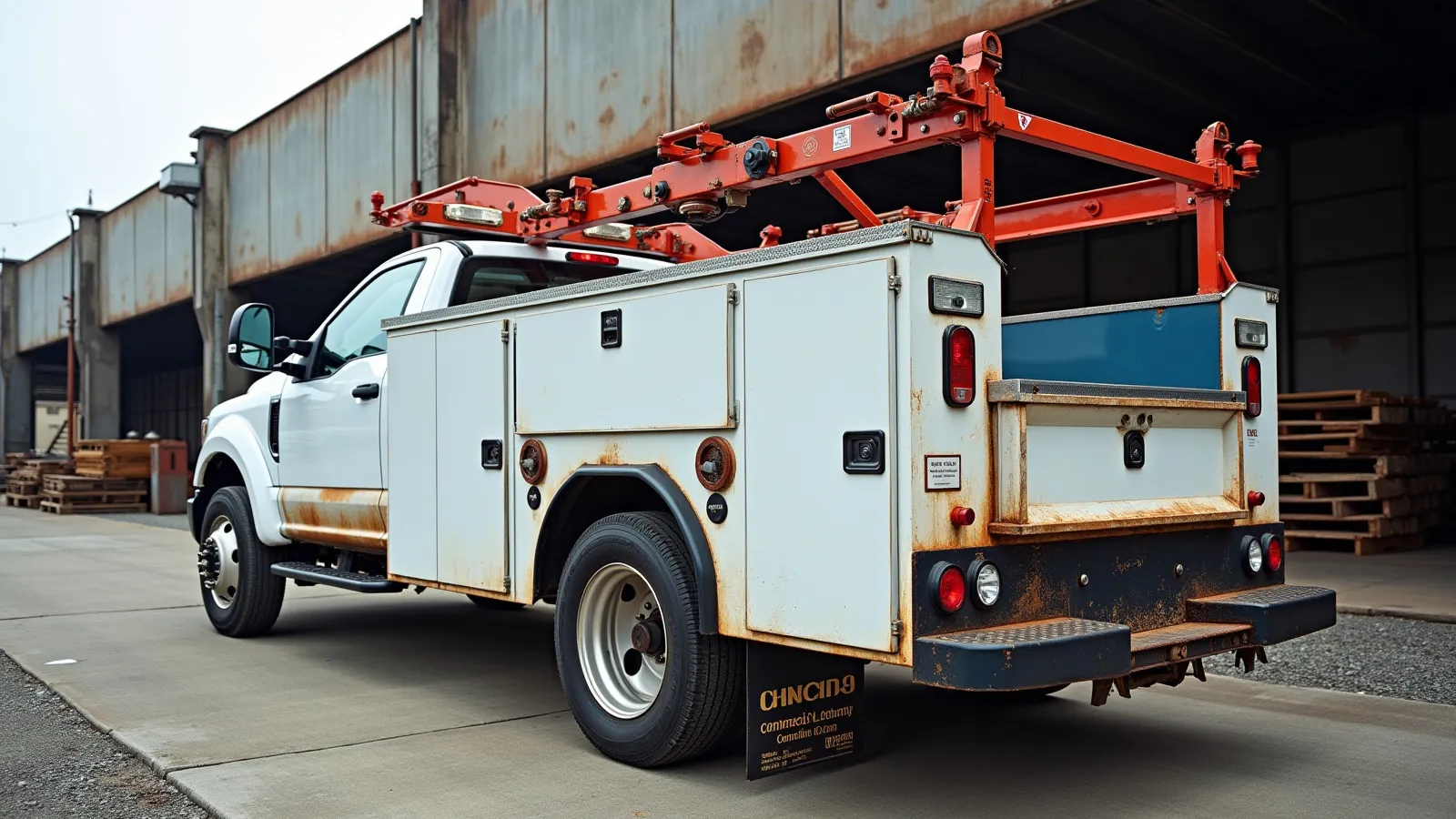
Commercial and Fleet Truck Upfitting
Commercial and fleet truck upfitting that turns a bare chassis into a working vehicle — service bodies, racks, bins, lighting and the wiring that ties them together.
-
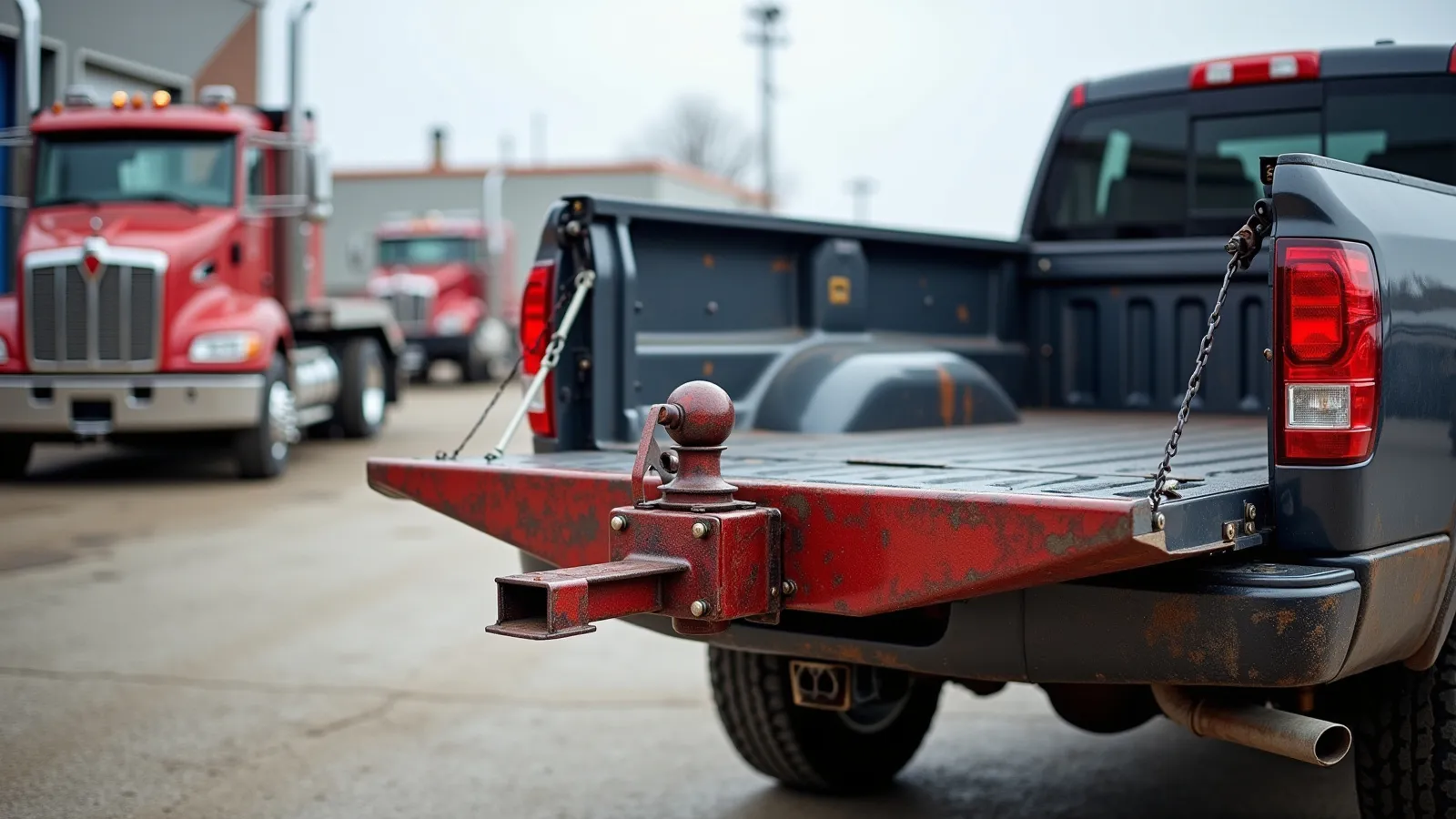
Gooseneck, Fifth-Wheel and Receiver Hitches
Gooseneck, fifth-wheel and receiver hitches for trucks that pull — chosen by class and application, not by the shape of the receiver alone, because the truck and the trailer set the real limit together.
-
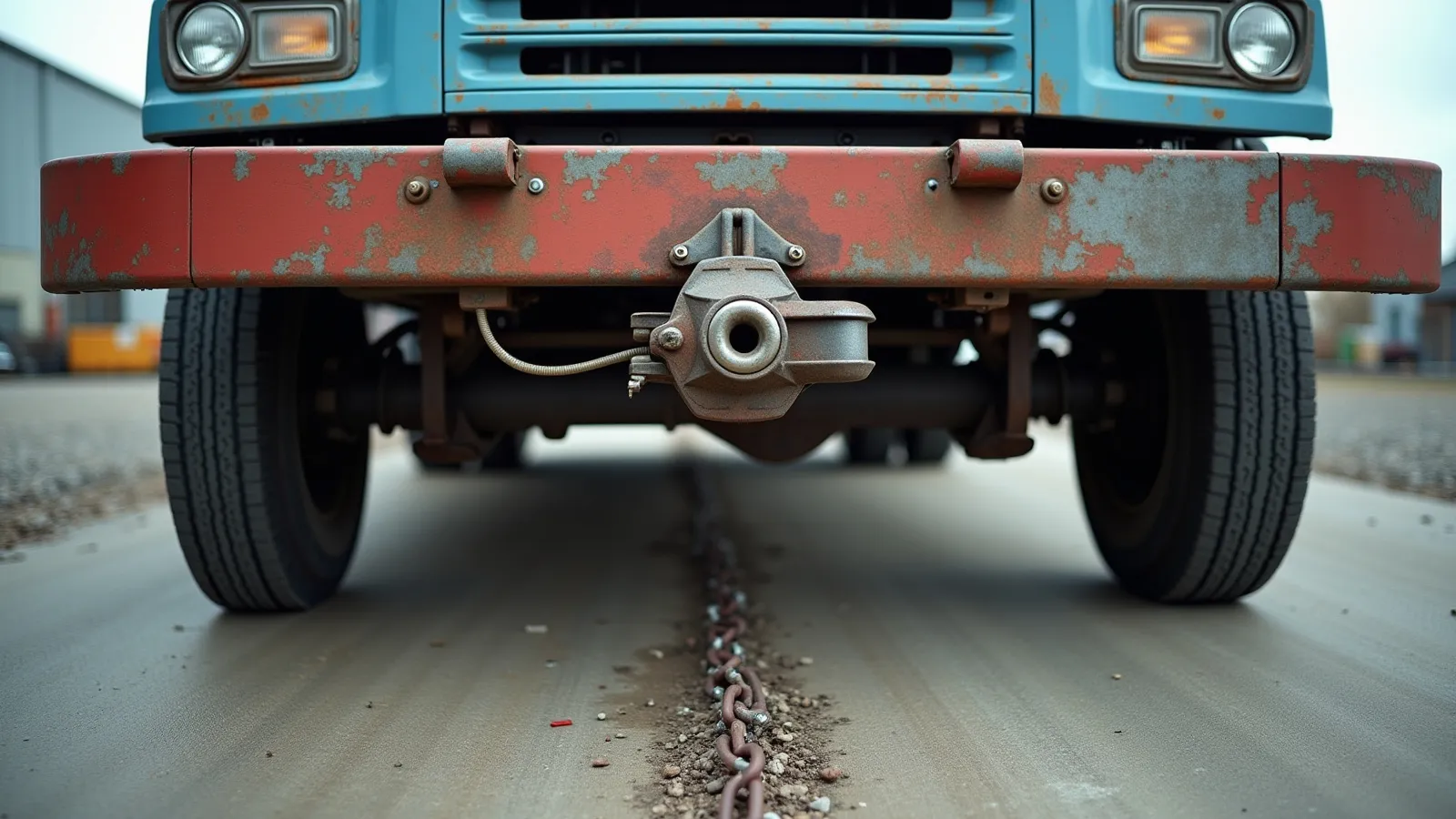
Off-Road Towing Hitches, Tow Bars and Couplers
Receiver hitches, off-road tow bars and trailer couplers sized to the truck and the trailer it pulls, with the ratings checked before a class or a coupler is chosen.
-
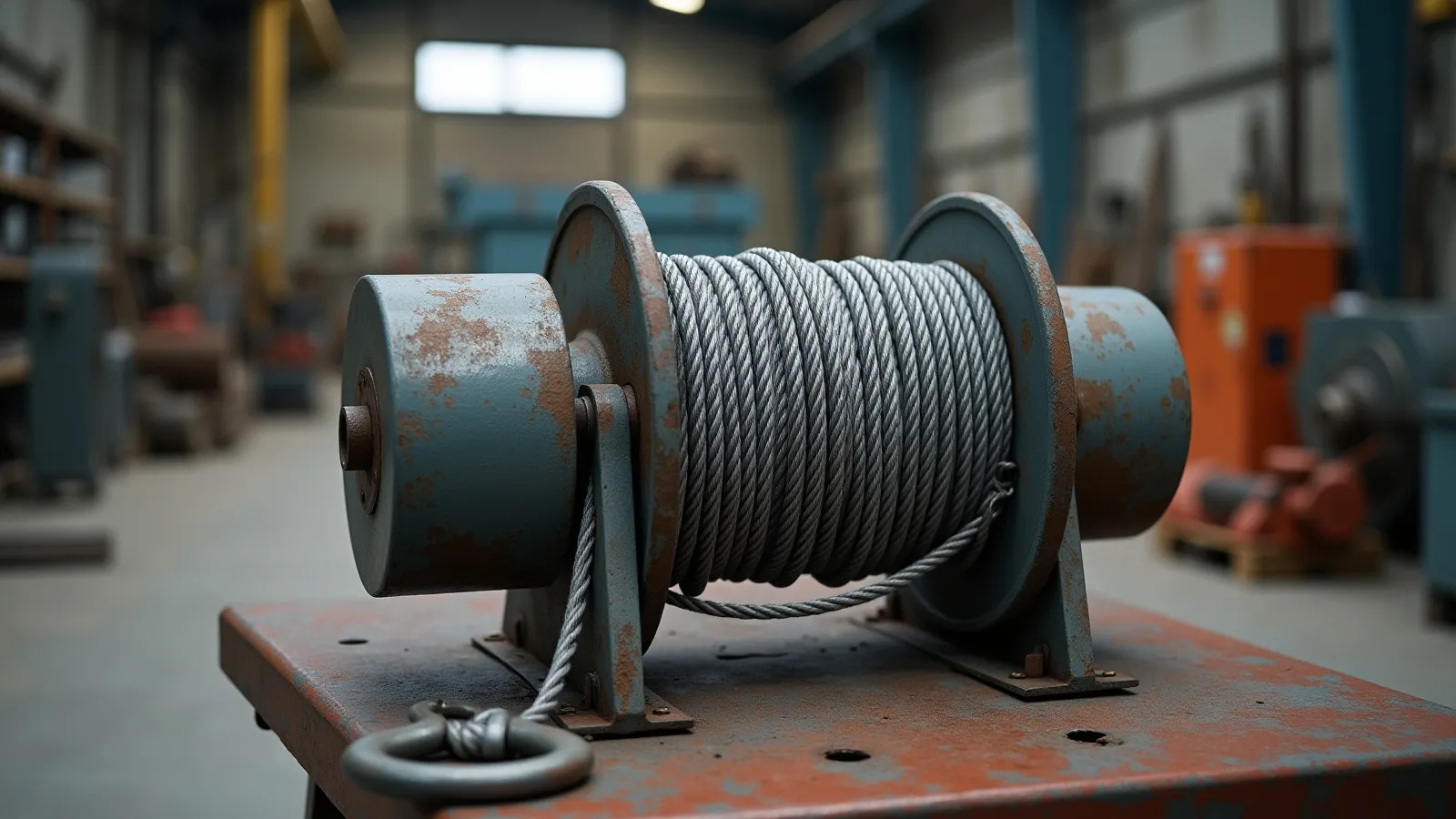
Winches, Control Boxes and Recovery Gear
Winches, control boxes and recovery gear fitted and wired to pull a stuck truck out safely, matched to the truck's weight and the pull it will actually make.


Commercial and fleet upfitting
Turning a chassis into a working truck.
-
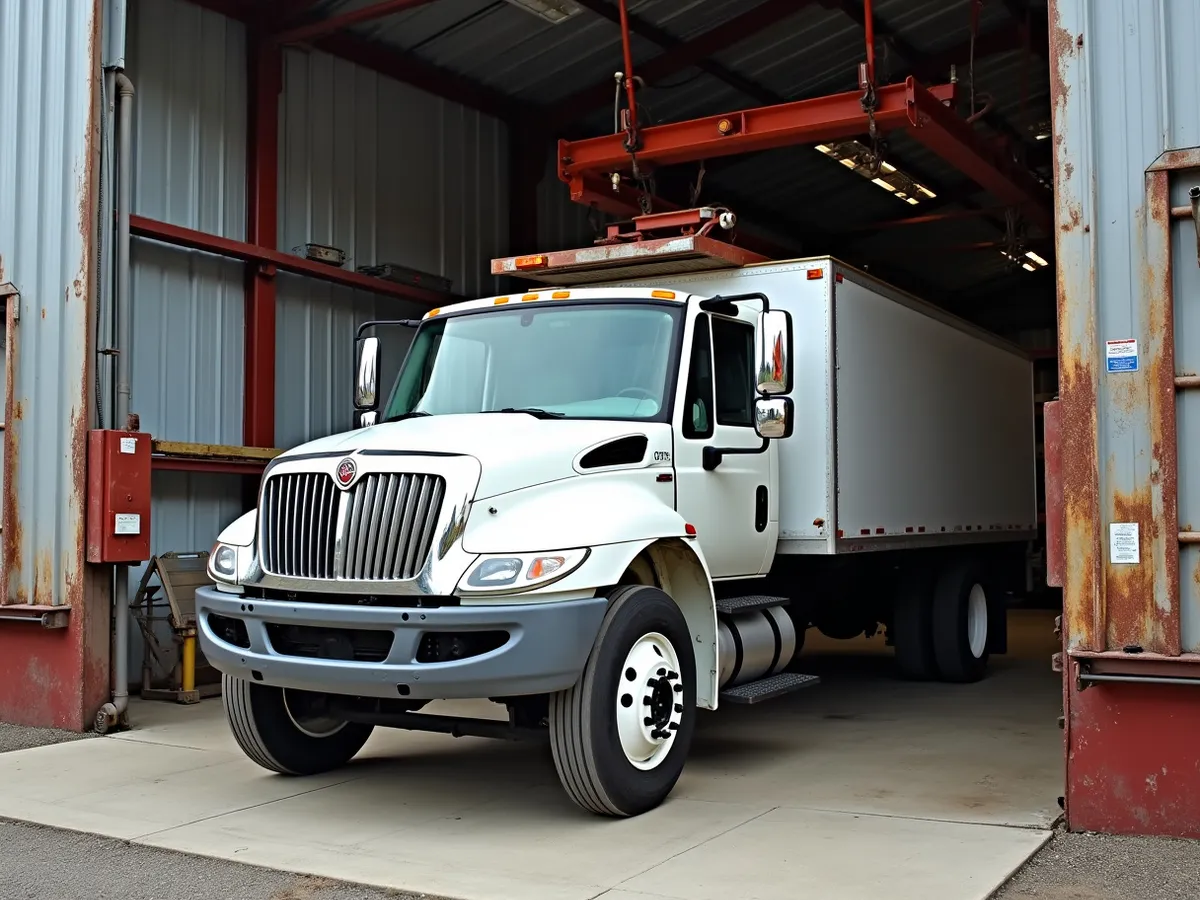
Commercial Truck Upfitting for Trades and Services
Commercial truck upfitting for plumbers, electricians, contractors and service crews — the body, the rack, the lighting and the wiring, planned around the trade before a single part is ordered.
-
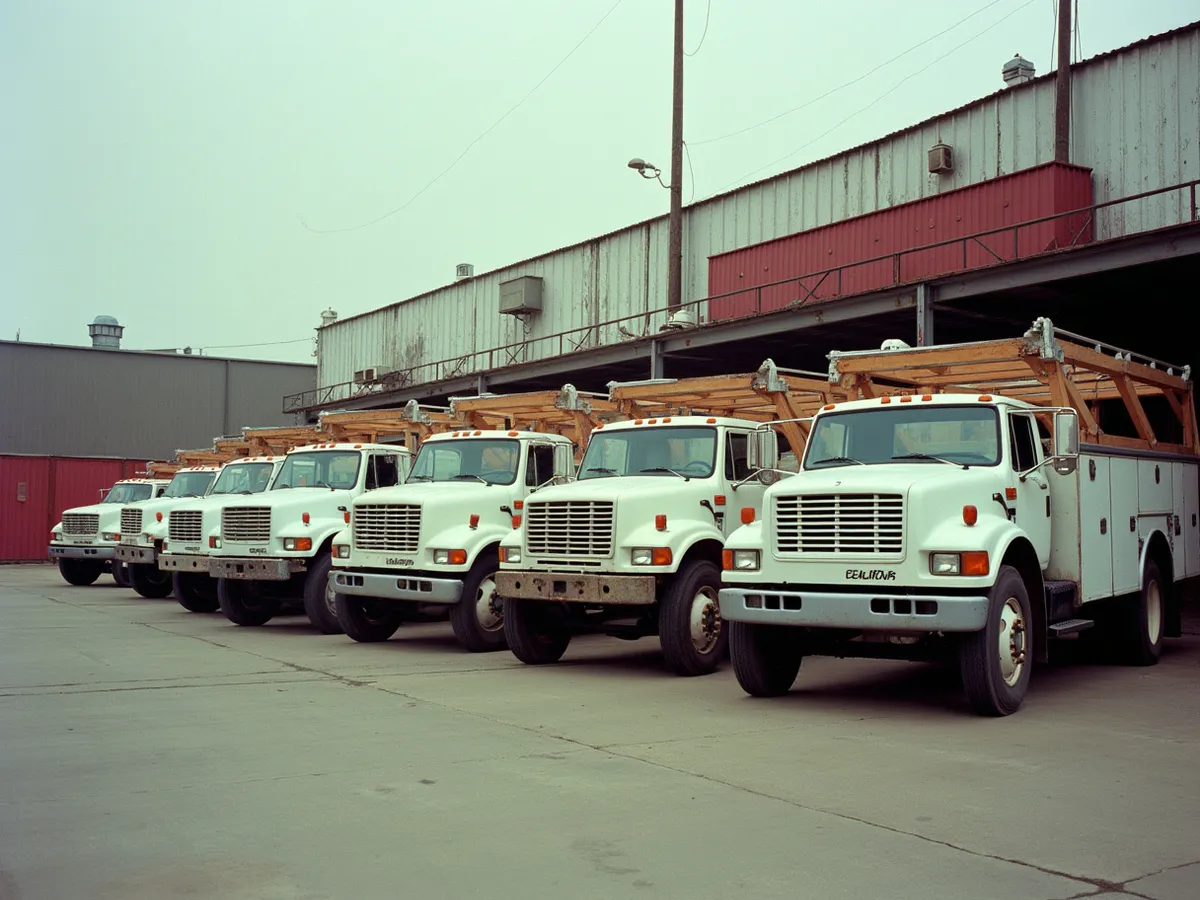
Fleet Upfitting Programs for Multi-Truck Operations
Fleet upfitting programs that lock one layout and reproduce it across every unit, so drivers moving between trucks find the same gear in the same places.
-
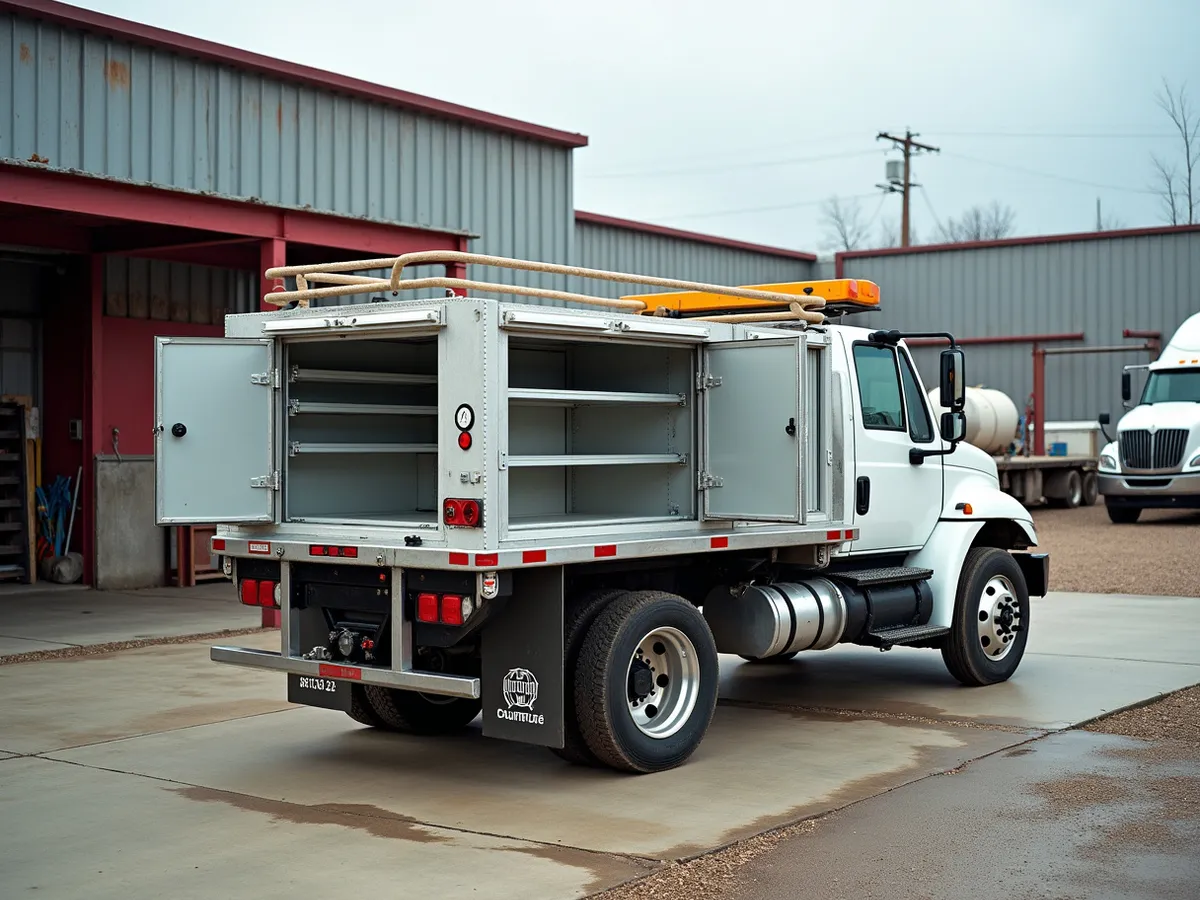
Work Truck and Service Body Upfit
Work-truck and service-body upfit that mounts a body, bins, a rack and the wiring to the chassis, planned around how a crew loads and unloads every day.


How-to and cost guides
Plain answers before you commit to a job.
-
How to Mount a Gooseneck Hitch
Mounting a gooseneck hitch means cutting an opening in the bed floor over the rear axle, fitting reinforcement below the bed to the frame rails, and setting a ball and its mechanism so the trailer pivots over the strongest part of the truck.
-
Tow Ratings and Capacities Explained
A tow rating is a set of limits that all apply at once, and the one you can actually use is the lowest of them.
-
Winch Recovery Basics
A winch recovery is a controlled pull with a strong line and a rated anchor, done slowly enough that nothing breaks and nobody stands in the path.
From the bay


Questions about this part
Can my vehicle be flat-towed?
Not every one can. A vehicle dragged with the wheels down can damage its transmission or transfer case if it is not built for it. Many true 4x4s with a neutral transfer case are ideal, while some automatics are not. We confirm this before choosing a bar.
Do I need a base plate, or does the bar mount alone?
The bar needs a base plate bolted to the towed vehicle's frame, and the plate is specific to the vehicle. Two similar trucks can take different plates, and some vehicles have no ready-made plate and need a custom mount. The bar and the plate are a matched pair.
Does the towed car need its own brakes?
In most cases, yes. A towed vehicle is legally a trailer, and a supplementary braking system applies its brakes as the coach slows. That keeps a heavy rig from pushing the coach through a stop. Tell us the vehicle weight and we will confirm what it needs.
How are the taillights wired?
Through diodes and a coach-side feed, so the coach can signal the lights without back-feeding the towed vehicle's own circuits. That protects the towed vehicle's wiring and keeps the lights working in line with the coach. We test it after the install.
What does a flat-tow setup cost?
A folding bar runs from about $280 to $700, a vehicle-specific base plate from about $380 to $900 and the wiring from about $160 to $520, with a braking system adding more. The figure varies with the towed vehicle, so every number is a range.
Why Valley trucks are fitted here
- Ratings confirmed against your truck and trailer before anything is quoted.
- A written estimate that separates the hardware, the mount and the labour.
- Winch, recovery and upfit hardware fitted and wired, never just sold.
- Prices shown as ranges that vary, never as a made-up fixed number.
Request a fitment check
Tell us the truck and what you need fitted.