Fleet Upfitting Programs for Multi-Truck Operations
Fleet upfitting programs that lock one layout and reproduce it across every unit, so drivers moving between trucks find the same gear in the same places.

Fleet Upfitting Programs for Multi-Truck Operations at a glance
- Service body per unit in a fleet run
- $4,200–$13,000
- Shelving and drawer standard per unit
- $550–$2,800
- Rack or pipe carrier per unit
- $650–$2,400
- Lighting and beacon standard per unit
- $420–$2,000
What a fleet program is for
A fleet upfit program exists to make a run of trucks behave like one truck. When every unit shares the same layout, a driver who moves between them stops hunting for a tool and starts knowing where it is, which is worth more over a year than any single part on the build. A program also protects a business from drift, because a layout written down once and repeated is far easier to maintain than one rebuilt from memory each time.
- One approved layout reproduced across every unit
- Consistent spares, training and driver expectations
- A schedule staged so the operation keeps running

What a fleet program standardizes
A fleet program is not one build repeated blindly; it is a standard set of decisions applied to each truck. The standard covers the parts that should never differ between units, while leaving room where a specific truck's role genuinely needs something different. That balance is what keeps a fleet consistent without making it rigid.
- The body and bed arrangement across the class of truck
- Where the bins, drawers and shelf heights sit
- The rack, ladder carrier or pipe carrier position
- The lighting and beacon pattern on every roof
- The power layout: inverters, compressors and fusing
How a fleet program runs
A multi-truck program runs as a project rather than a series of single builds, so the sequence is planned from the first truck to the last.
-
Survey the fleet, the routes and how each unit is used.
-
Design one standard layout and one parts list.
-
Build a single pilot unit and review it with the drivers.
-
Adjust the standard once, then freeze it.
-
Schedule the remaining units around operation needs.
-
Build each unit to the frozen standard and inspect it.
-
Hand over with a written layout for future units.
Working across a mixed fleet
Real fleets are rarely one model. A crew may run a heavy-duty chassis cab, a couple of half-tons and a cargo van, each with its own payload and mounting points. A fleet program handles that by keeping the standard where it can and adapting where the chassis demands it, so the layout stays familiar even when the trucks under it differ. We confirm each class's payload and mounting before the standard is written.
- Ford F-250 and F-350 units in the heavier service classes
- Chevrolet Silverado and GMC Sierra across the half-ton to one-ton range
- RAM 2500 and 3500 for utility and trade fleets
- Ford Transit and RAM ProMaster on cargo and delivery routes
- Toyota Tundra units in lighter commercial roles
- Chassis cabs where a body needs a cleaner mounting frame
What a fleet program costs
Fleet pricing reflects the volume and the repeatability of the run, so a ten-truck program carries a lower per-unit figure than a one-off build. The total still varies with the body class, the option set and how many units share the standard, so the per-unit figure follows the fleet survey and the standard you settle on, not a brochure.
- Service body per unit in a fleet run
- $4,200–$13,000
- Shelving and drawer standard per unit
- $550–$2,800
- Rack or pipe carrier per unit
- $650–$2,400
- Lighting and beacon standard per unit
- $420–$2,000
- Program setup, pilot build and documentation
- $900–$3,500
Why the pilot unit matters
The first truck in a fleet program is a pilot, and it exists to catch mistakes cheaply. Building one unit and putting it in front of the drivers before the rest are ordered surfaces the layout problems while they cost one build rather than ten. A program that skips the pilot tends to repeat a small error across a whole fleet, which is far more expensive to undo than to avoid.
Standardize what should not vary
A good fleet standard is deliberate about what stays fixed and what may flex. Bin heights, the rack position and the lighting pattern should never differ between units, because drivers rely on them being the same. A truck with a genuinely different role can take a variation, but that variation is written into the standard rather than improvised on the bay floor, which is what keeps the fleet coherent.
Scheduling so the fleet keeps working
A fleet that is all in the bay at once is a fleet that cannot serve its customers, so the schedule matters as much as the build. We stage the units so only a few are down at a time, working around routes, peak seasons and any vehicles that cannot be spared. That staging is planned before the first unit is booked, because a program that ignores operations will not survive contact with them.
Documentation for the next unit
A fleet program hands over more than finished trucks; it hands over a written layout. When a unit is added later or one is replaced, the documentation lets the new build match the fleet without a fresh design phase. That record is what makes a fleet program durable, because the standard survives a change of drivers, managers or even workshops as long as it is written down.
Confirming a program before it starts
A fleet program is a commitment across many units, so the fleet is surveyed on site before a single build is scheduled. Tell us how many units, what classes they are and how the operation runs, and we will design a standard, plan the pilot and stage the schedule against your real operations rather than a generic multi-truck assumption.
The other upfit programs
Fleet runs, commercial builds and service bodies.
-
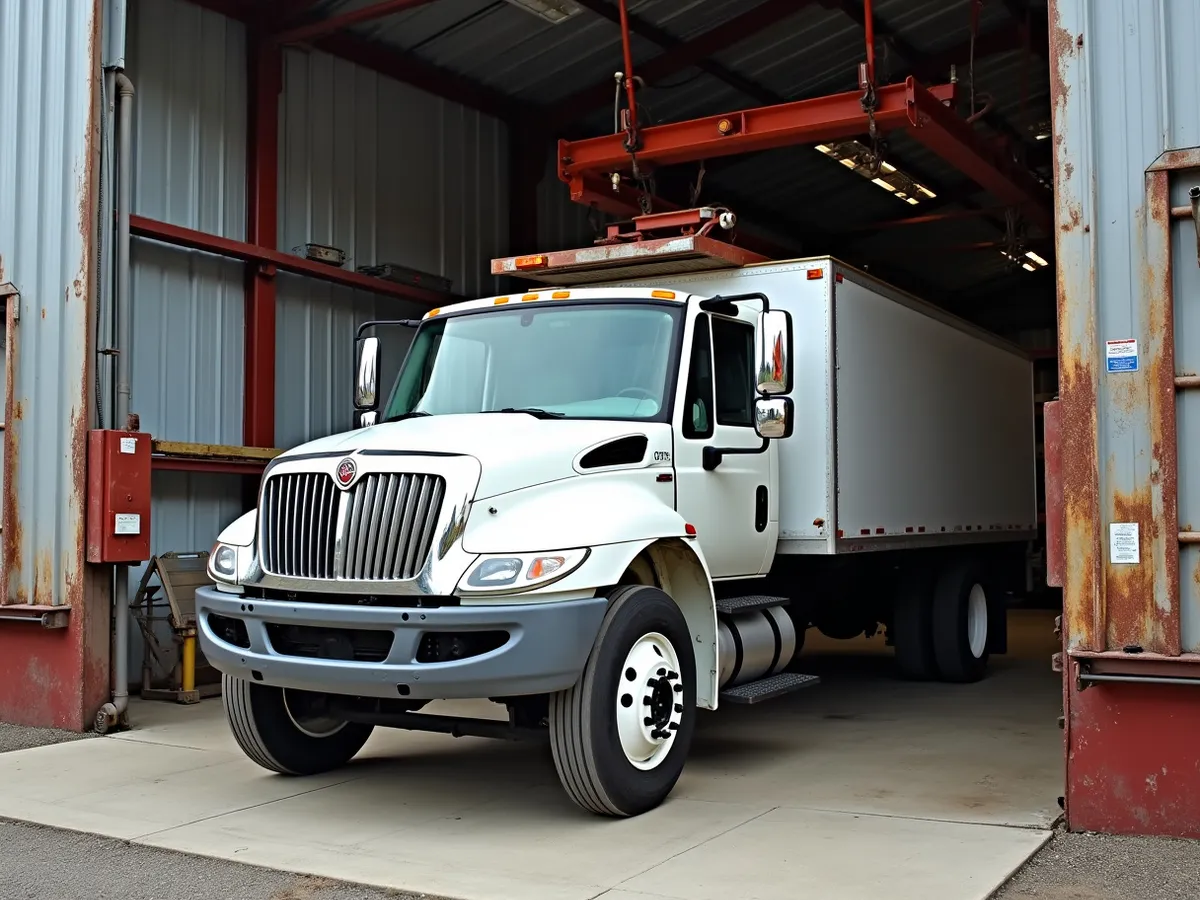
Commercial Truck Upfitting for Trades and Services
Commercial truck upfitting for plumbers, electricians, contractors and service crews — the body, the rack, the lighting and the wiring, planned around the trade before a single part is ordered.
-
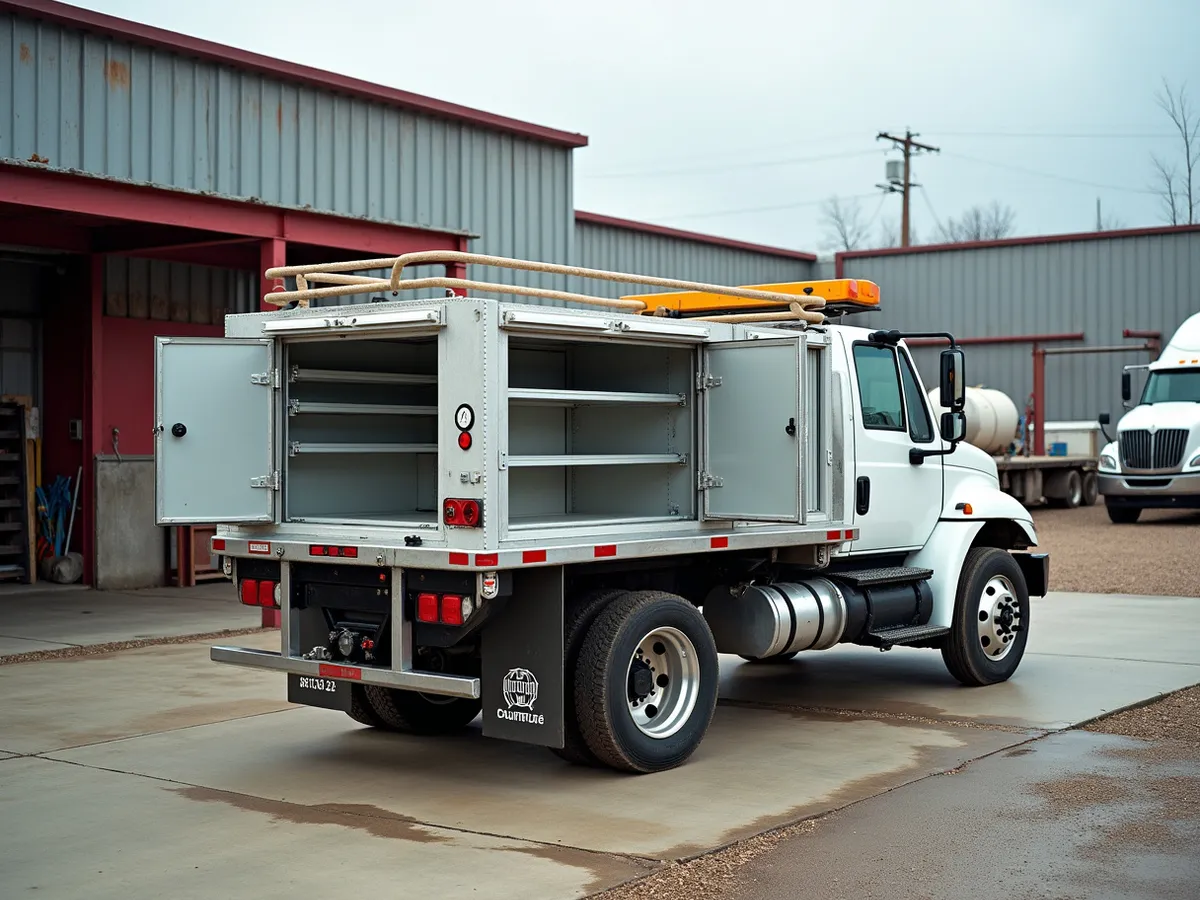
Work Truck and Service Body Upfit
Work-truck and service-body upfit that mounts a body, bins, a rack and the wiring to the chassis, planned around how a crew loads and unloads every day.


The towing and recovery areas
The hitch, towing and winch work behind it.
-
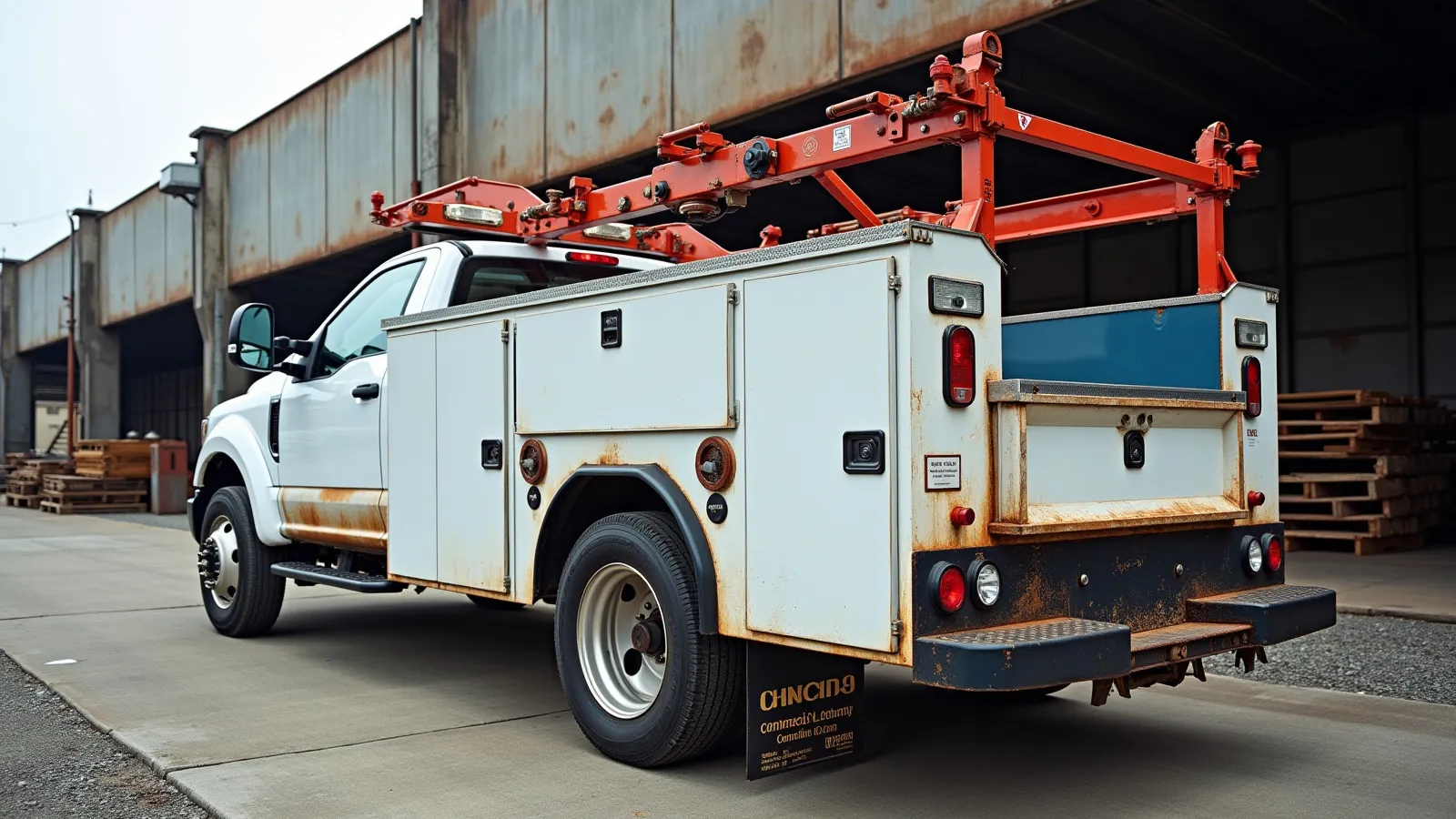
Commercial and Fleet Truck Upfitting
Commercial and fleet truck upfitting that turns a bare chassis into a working vehicle — service bodies, racks, bins, lighting and the wiring that ties them together.
-
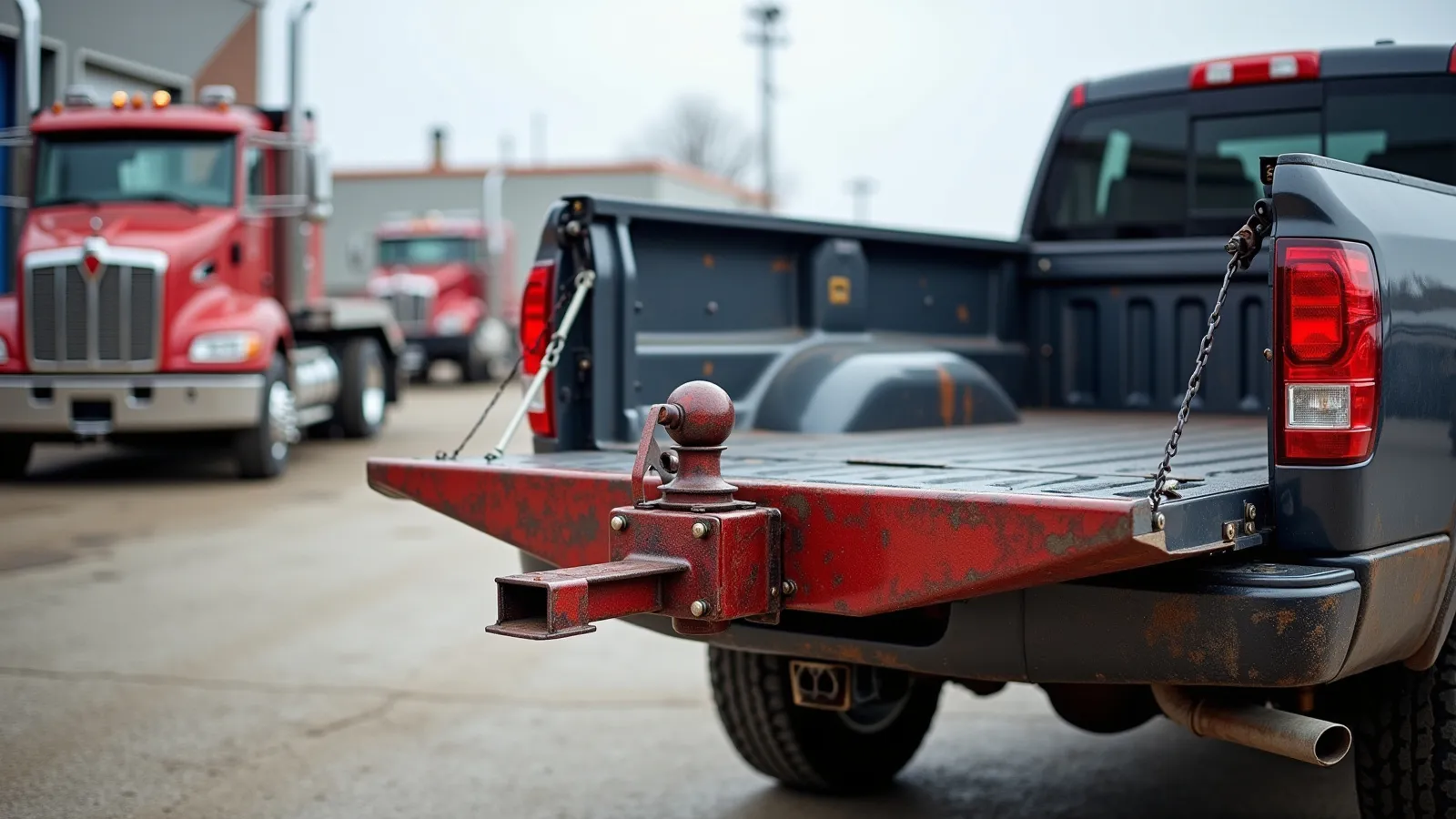
Gooseneck, Fifth-Wheel and Receiver Hitches
Gooseneck, fifth-wheel and receiver hitches for trucks that pull — chosen by class and application, not by the shape of the receiver alone, because the truck and the trailer set the real limit together.
-
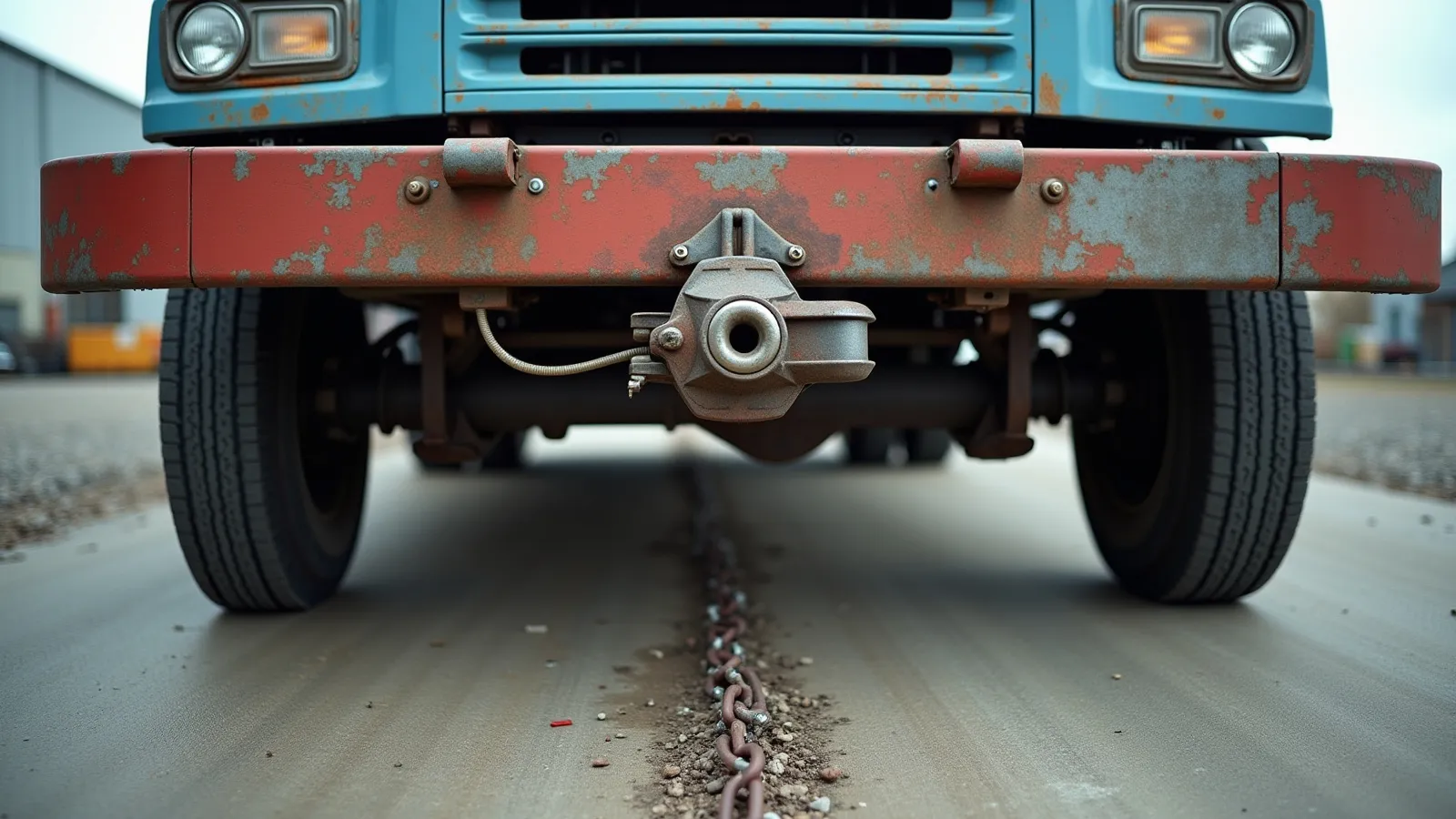
Off-Road Towing Hitches, Tow Bars and Couplers
Receiver hitches, off-road tow bars and trailer couplers sized to the truck and the trailer it pulls, with the ratings checked before a class or a coupler is chosen.
-
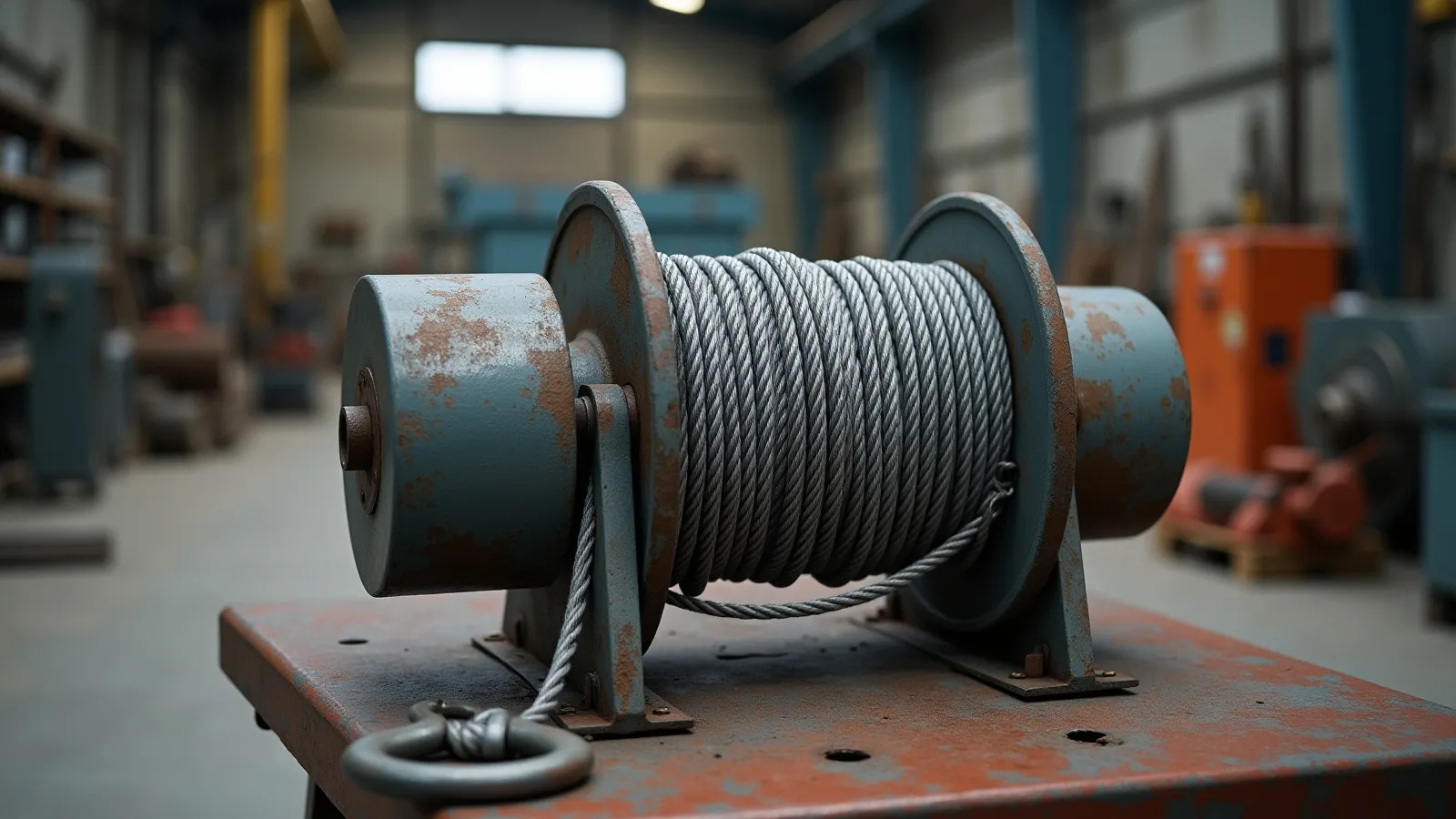
Winches, Control Boxes and Recovery Gear
Winches, control boxes and recovery gear fitted and wired to pull a stuck truck out safely, matched to the truck's weight and the pull it will actually make.


The hardware that goes on
Hitches, balls and recovery gear, priced as ranges.
-
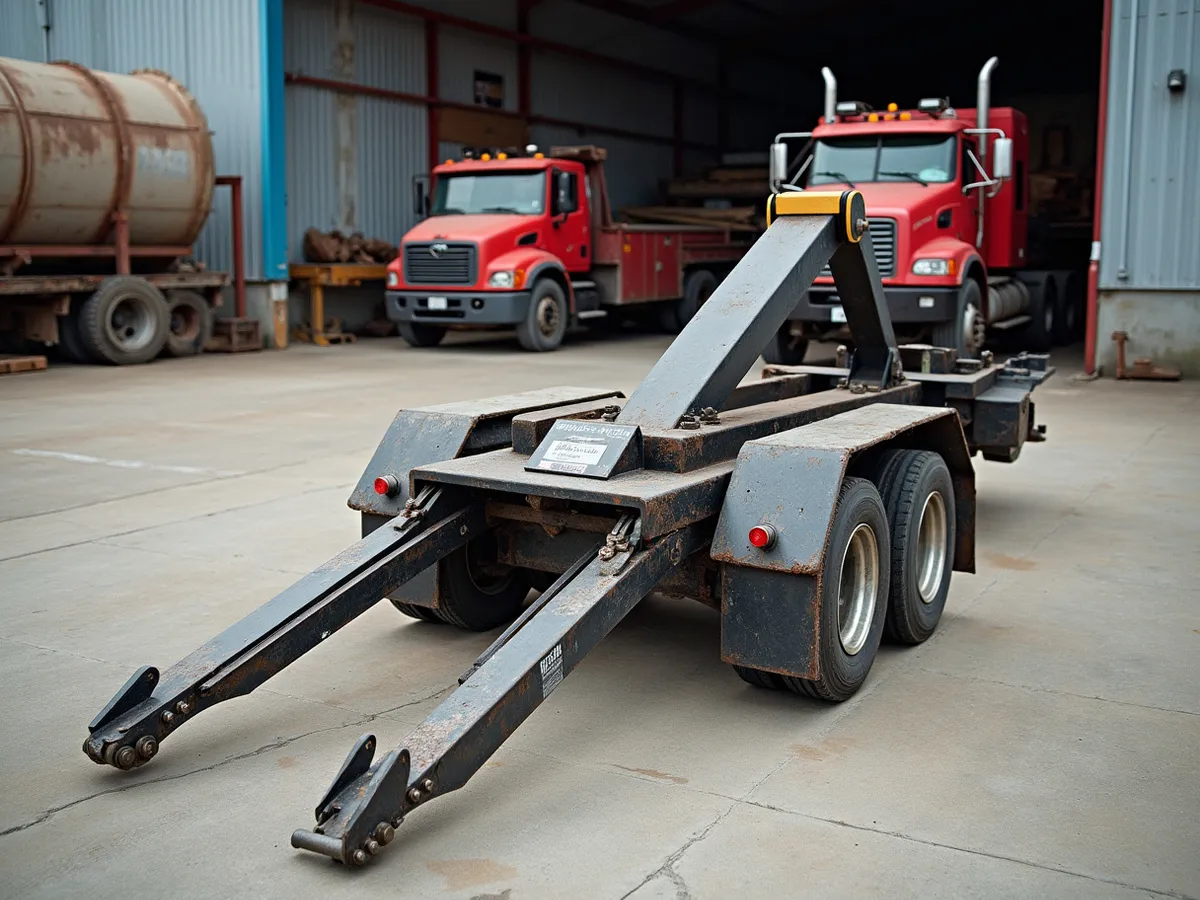
Rambler-Style Tow Bar
A folding tow bar for flat-towing a light 4x4 or car behind a motorhome, chosen by the towed vehicle's weight and the mounting points it can take.
$280–$700 varies by truck, capacity and install
-
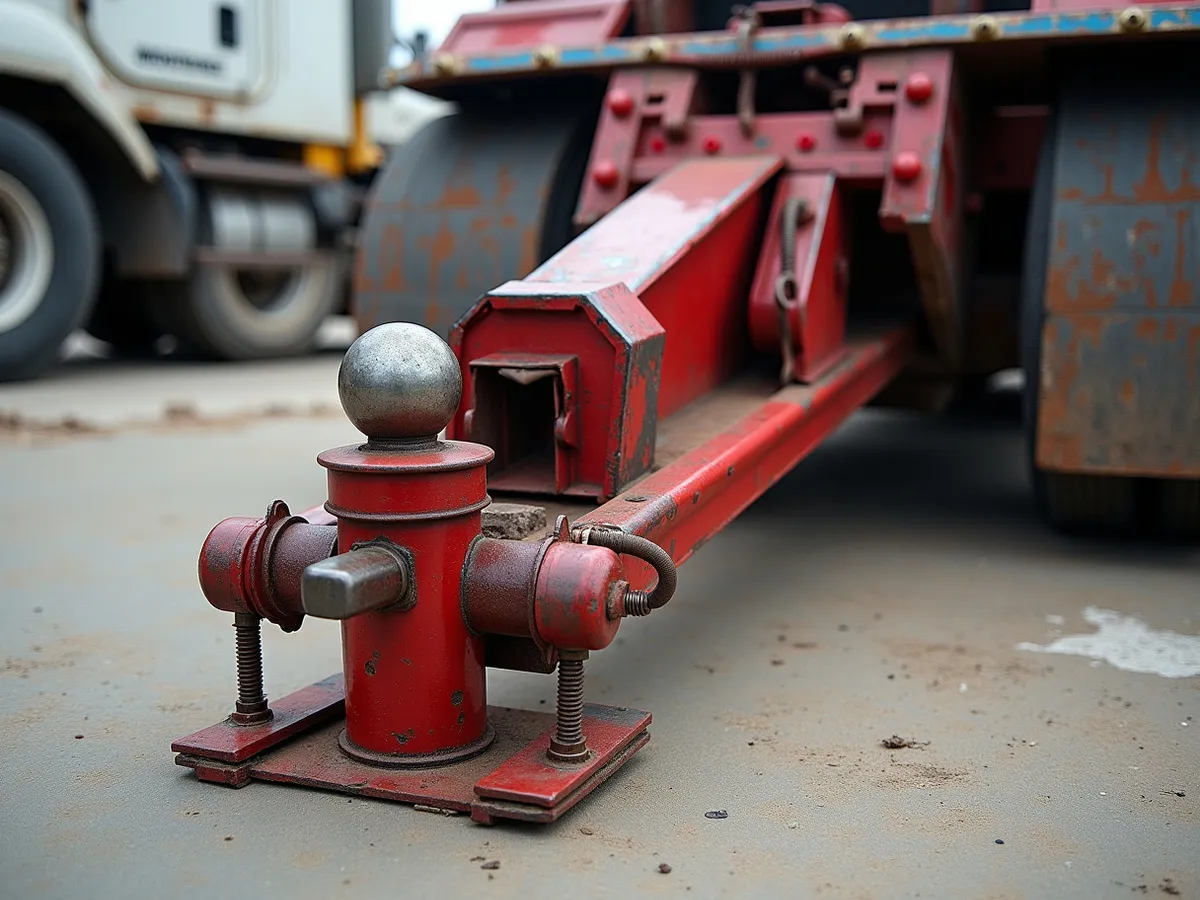
Curt Spyder Gooseneck
An under-bed gooseneck hitch system for heavy trailers, with a ball that stows flat so the bed stays usable when the trailer is unhitched.
$450–$1,300 varies by truck, capacity and install
-
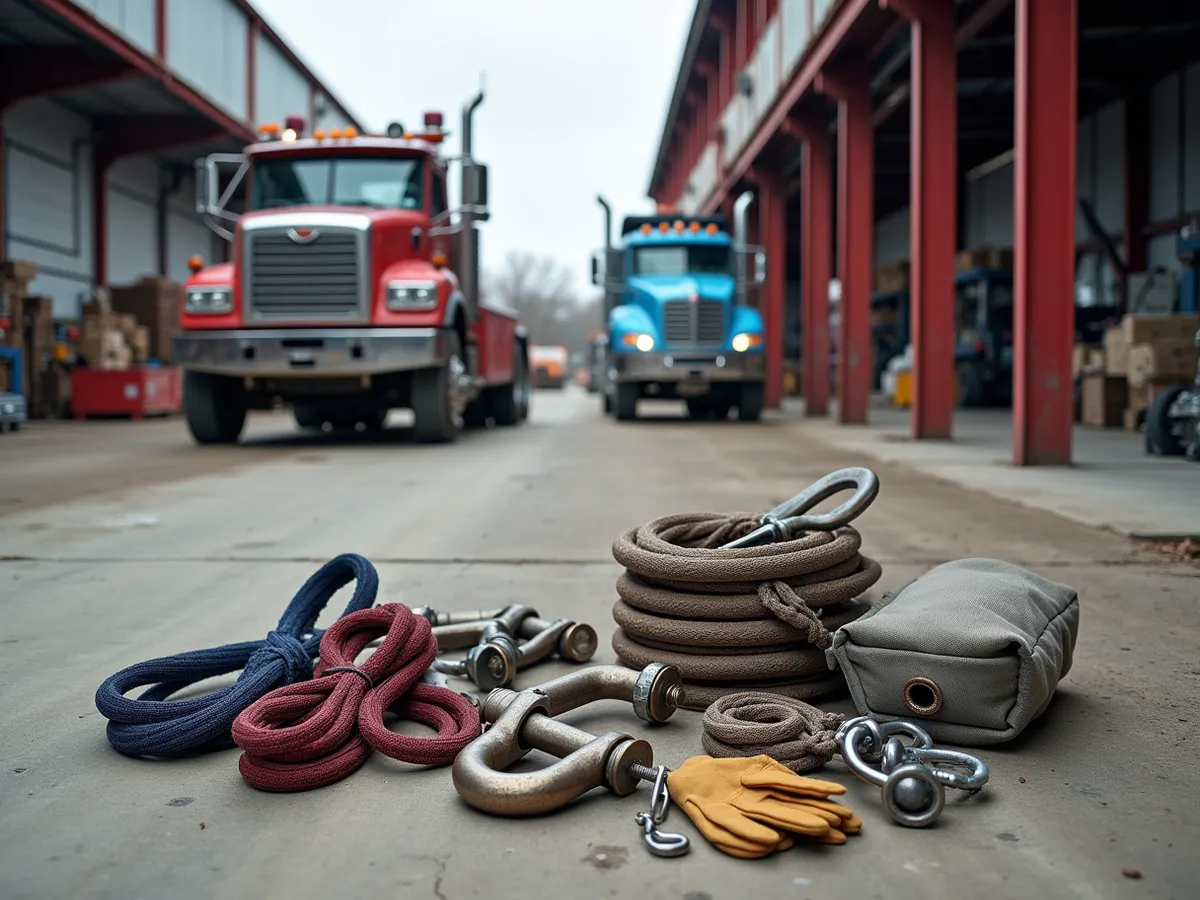
Factor 55 Recovery Gear
Recovery hardware that keeps a winch pull safe — closed-system shackles, straps and rigging chosen by the truck's weight and the recovery it will do.
$90–$260 varies by truck, capacity and install
-
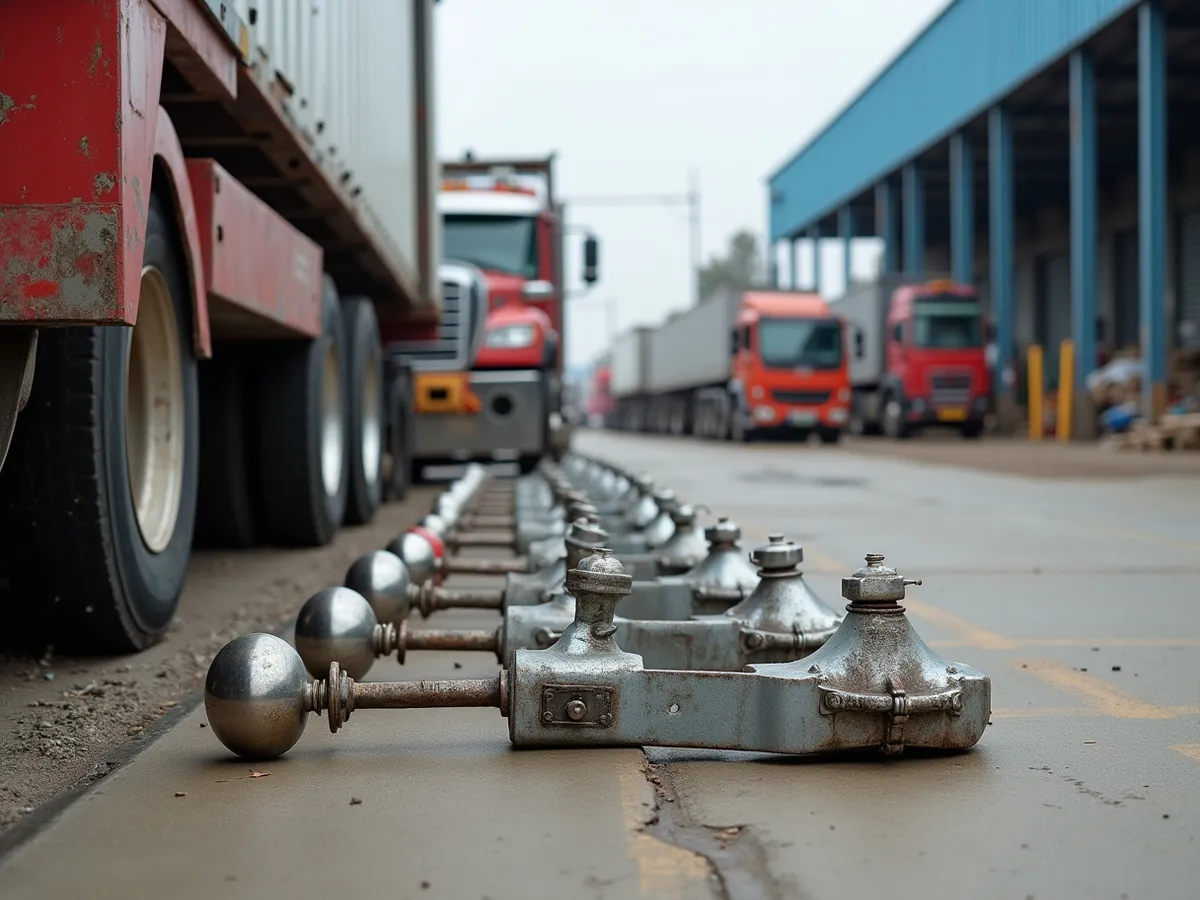
Gooseneck Ball Size
A guide to gooseneck ball sizes and how to match the ball to the trailer's coupler, because the wrong size looks shut but lets go under a bump.
$40–$140 varies by truck, capacity and install
-
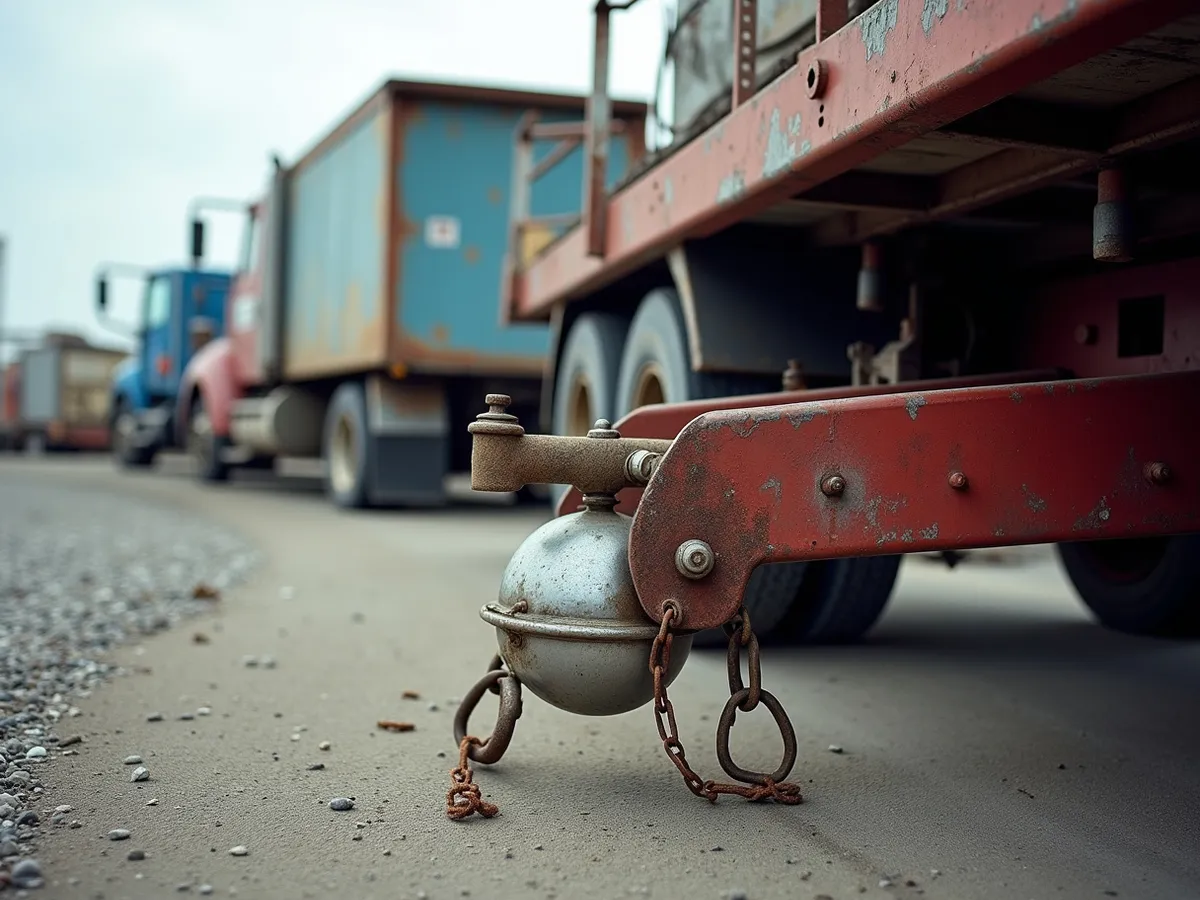
Gooseneck Trailer Ball Size
How to read a gooseneck trailer's ball requirement from the trailer side — coupler markings, trailer weight and the ball rating that has to carry the pin load.
$60–$220 varies by truck, capacity and install
-
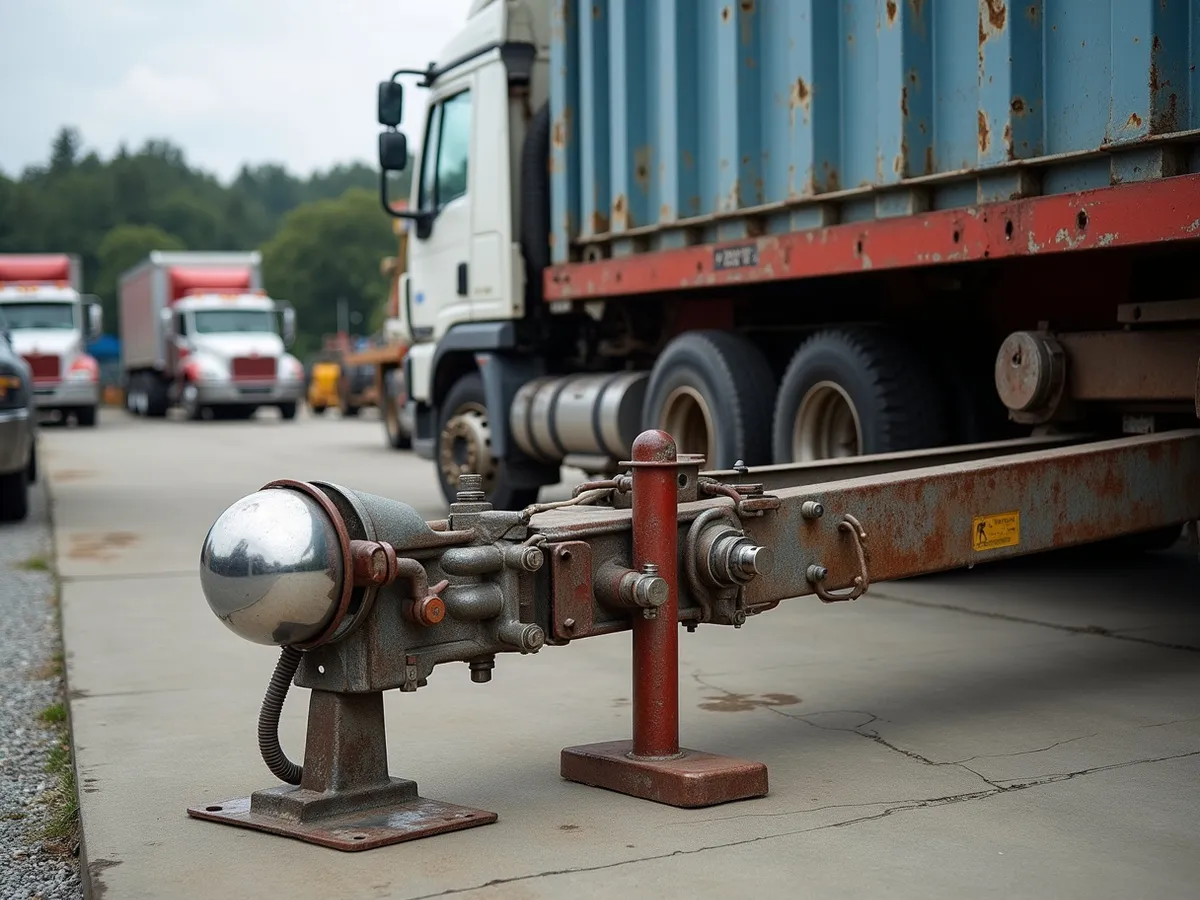
Off-Road Trailer Coupler
A heavy-duty trailer coupler built for rough ground, chosen by the ball size, the trailer's weight and the latch that has to stay shut over rough trails.
$140–$420 varies by truck, capacity and install
-
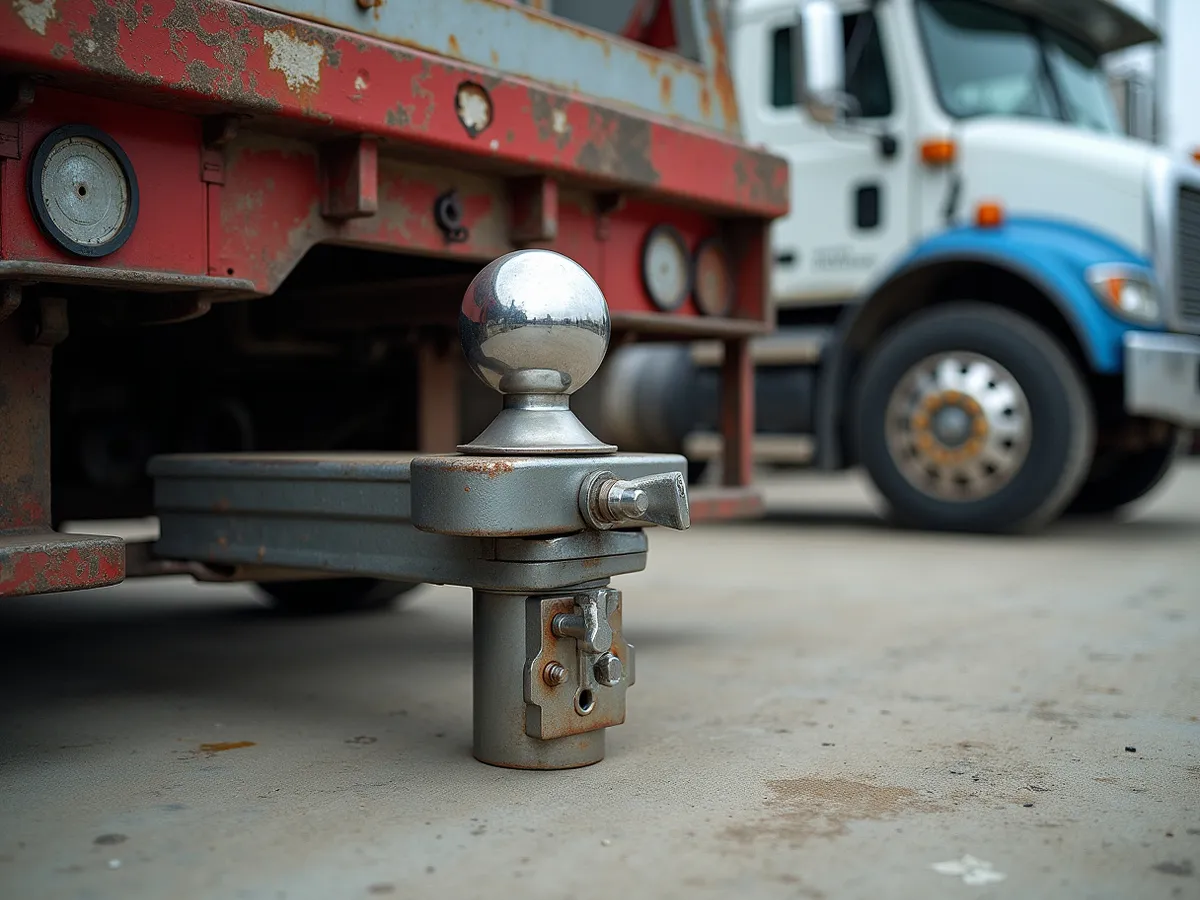
Standard Gooseneck Ball Size
The standard gooseneck ball size explained — what counts as the common size, what it fits, and why a standard ball still has to be checked against the truck's rating.
$40–$140 varies by truck, capacity and install
-
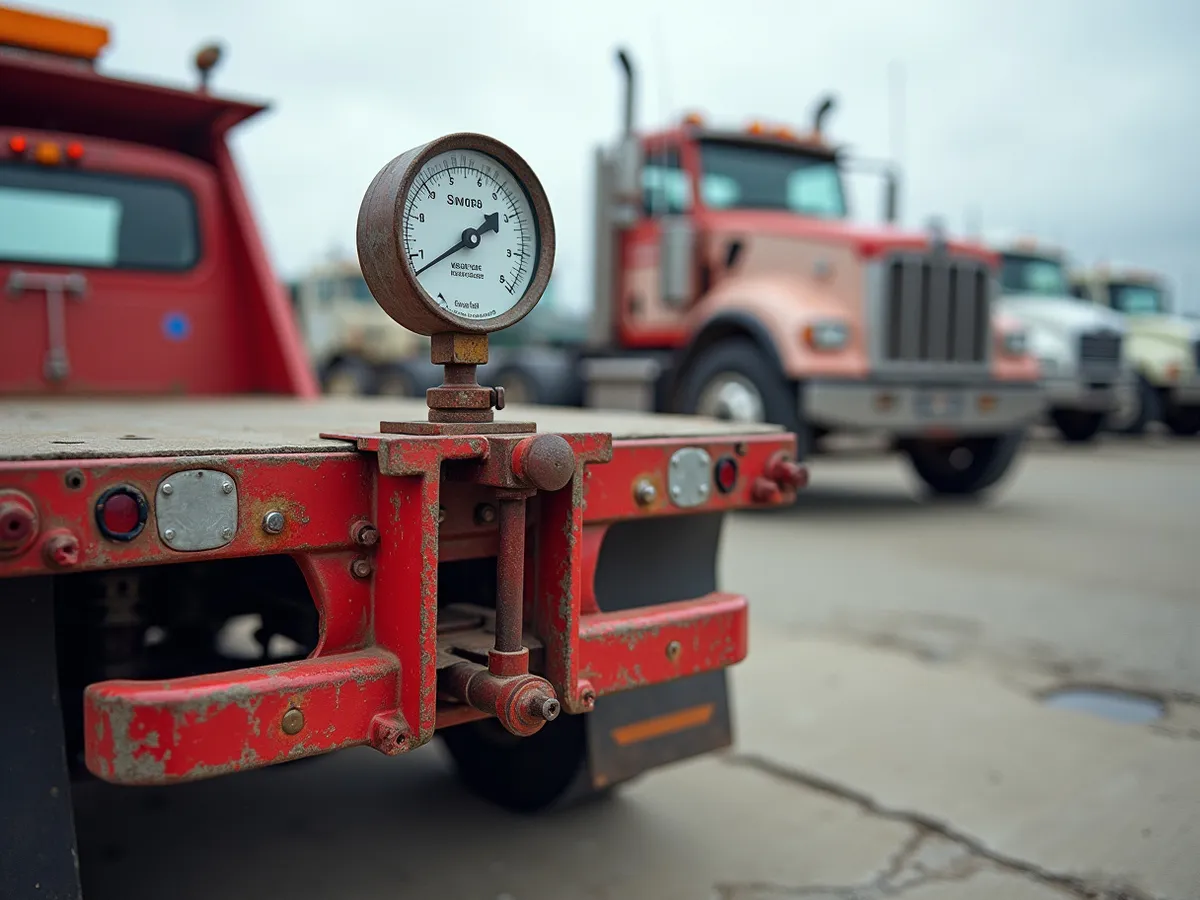
Weigh-Safe Gooseneck Ball
A gooseneck ball with a built-in tongue-weight gauge, so you can see the pin load on the ball before you tow rather than guess at it from a chart.
$280–$620 varies by truck, capacity and install


How-to and cost guides
Plain answers before you commit to a job.
-
How to Mount a Gooseneck Hitch
Mounting a gooseneck hitch means cutting an opening in the bed floor over the rear axle, fitting reinforcement below the bed to the frame rails, and setting a ball and its mechanism so the trailer pivots over the strongest part of the truck.
-
Tow Ratings and Capacities Explained
A tow rating is a set of limits that all apply at once, and the one you can actually use is the lowest of them.
-
Winch Recovery Basics
A winch recovery is a controlled pull with a strong line and a rated anchor, done slowly enough that nothing breaks and nobody stands in the path.
From the yard


Questions about an upfit
What makes a fleet program different from ordering several trucks?
A program locks one layout and a parts list, builds a pilot, then reproduces the standard across every unit. Ordering several trucks one at a time tends to drift, so no two are quite the same. The program keeps them consistent, which is what lets a driver move between them without hunting for gear.
Do you build a pilot unit first?
Yes, always. The pilot exists to catch layout problems cheaply, before the rest of the fleet is ordered. We build one unit, put it in front of the drivers and adjust the standard once. That is far cheaper than repeating a small mistake across ten trucks.
How do you handle a fleet of mixed models?
We keep the standard where we can and adapt where the chassis demands it, so the layout stays familiar even when the trucks differ. Each class's payload and mounting points are confirmed before the standard is written, so a heavy chassis cab and a half-ton can share a layout without sharing a bad fit.
Will the whole fleet be down at once?
No, and that is planned from the start. A fleet that is all in the bay cannot serve its customers, so we stage the units so only a few are down at a time, working around routes and peak seasons. The schedule is settled before the first unit is booked.
Do we get documentation for future units?
Yes. A program hands over a written layout along with the finished trucks, so when a unit is added or replaced later it can match the fleet without a fresh design phase. That documentation is what keeps the standard alive through changes of drivers and managers.
Can a small fleet benefit from a program?
Yes, and two or three matching trucks give a crew consistency just as ten do. The pilot and the standard still make sense at a small scale, because the second truck is easier to build once the first has been reviewed and settled.
How does fleet pricing work?
Fleet pricing reflects the volume and the repeatability of the run, so a ten-truck program carries a lower per-unit figure than a one-off build. The total still moves with the body class and the option set, so we quote a per-unit range once the fleet is surveyed.
How long does a fleet program take end to end?
It depends on the fleet size, the body lead times and how many units can be down at once, so the honest answer is that it varies. A pilot and a small run move faster than a large one spread across months. We give you a schedule once the fleet is surveyed and the standard is frozen.
Why Valley fleets are upfit here
- Ratings confirmed against your truck and trailer before anything is quoted.
- A written estimate that separates the hardware, the mount and the labour.
- Winch, recovery and upfit hardware fitted and wired, never just sold.
- Prices shown as ranges that vary, never as a made-up fixed number.
Request a fitment check
Tell us the fleet or the truck and how it works.