RGV Offroad — Hitches, Recovery and Upfit Built Around the Load
We start with the truck and the load, not a part on a shelf. A receiver hitch is chosen for your gross weight and the trailer's tongue load, a gooseneck mount is planned around the bed and the frame, a winch is matched to the pull it will make, and a work truck is upfit around how the crew loads and unloads every day. From a half-ton pulling a utility trailer to a fleet of service bodies, the hardware is confirmed against the application before anything is ordered.

Shop by area
Four areas cover the work: the hitches that pull, the recovery gear that goes with them, the winches that get a truck unstuck, and the commercial upfit that turns a chassis into a working vehicle. Each hub explains what fits, the classes and capacities involved, and the cost ranges to expect before you commit.
-
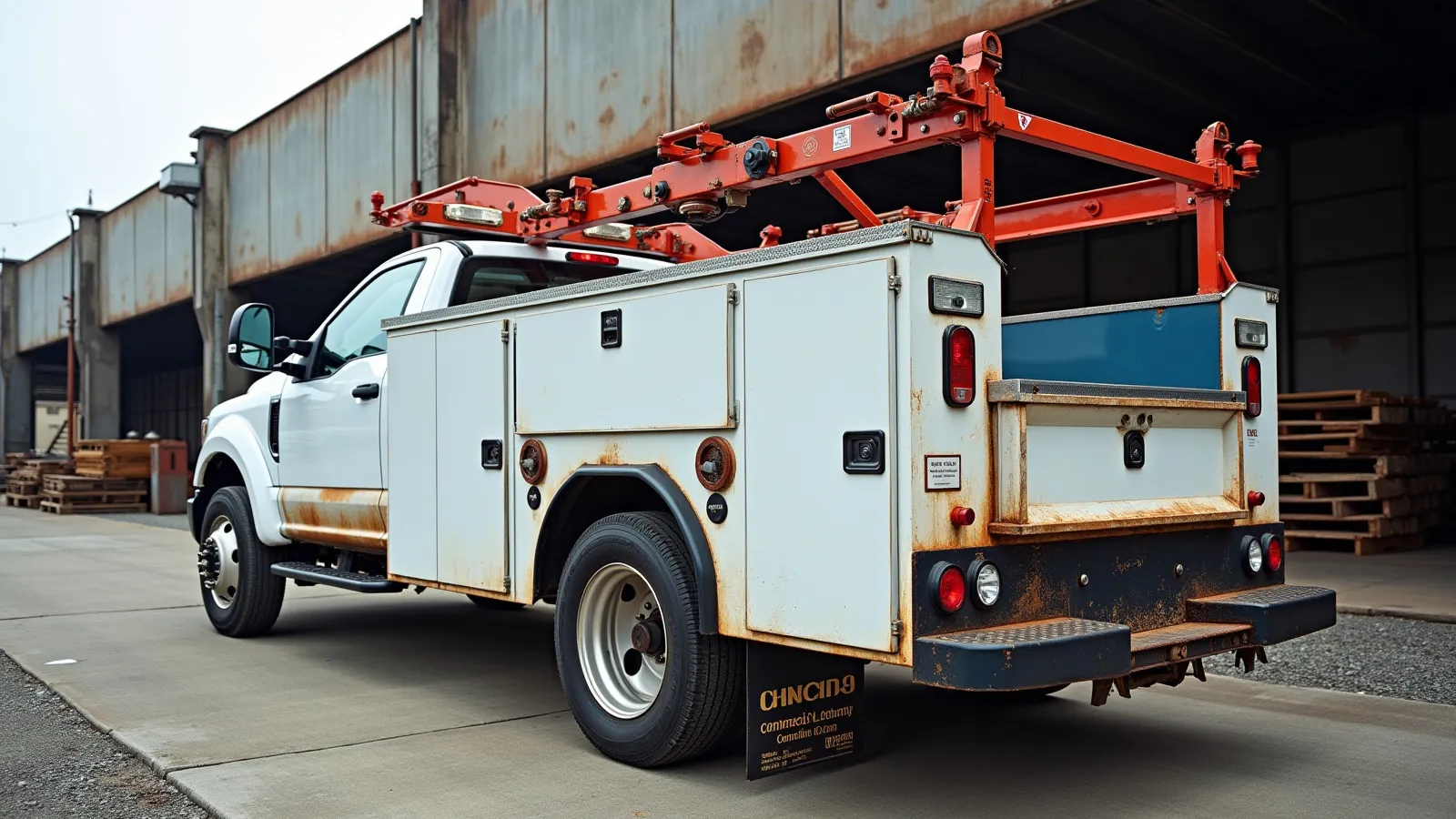
Commercial and Fleet Truck Upfitting
Commercial and fleet truck upfitting that turns a bare chassis into a working vehicle — service bodies, racks, bins, lighting and the wiring that ties them together.
-
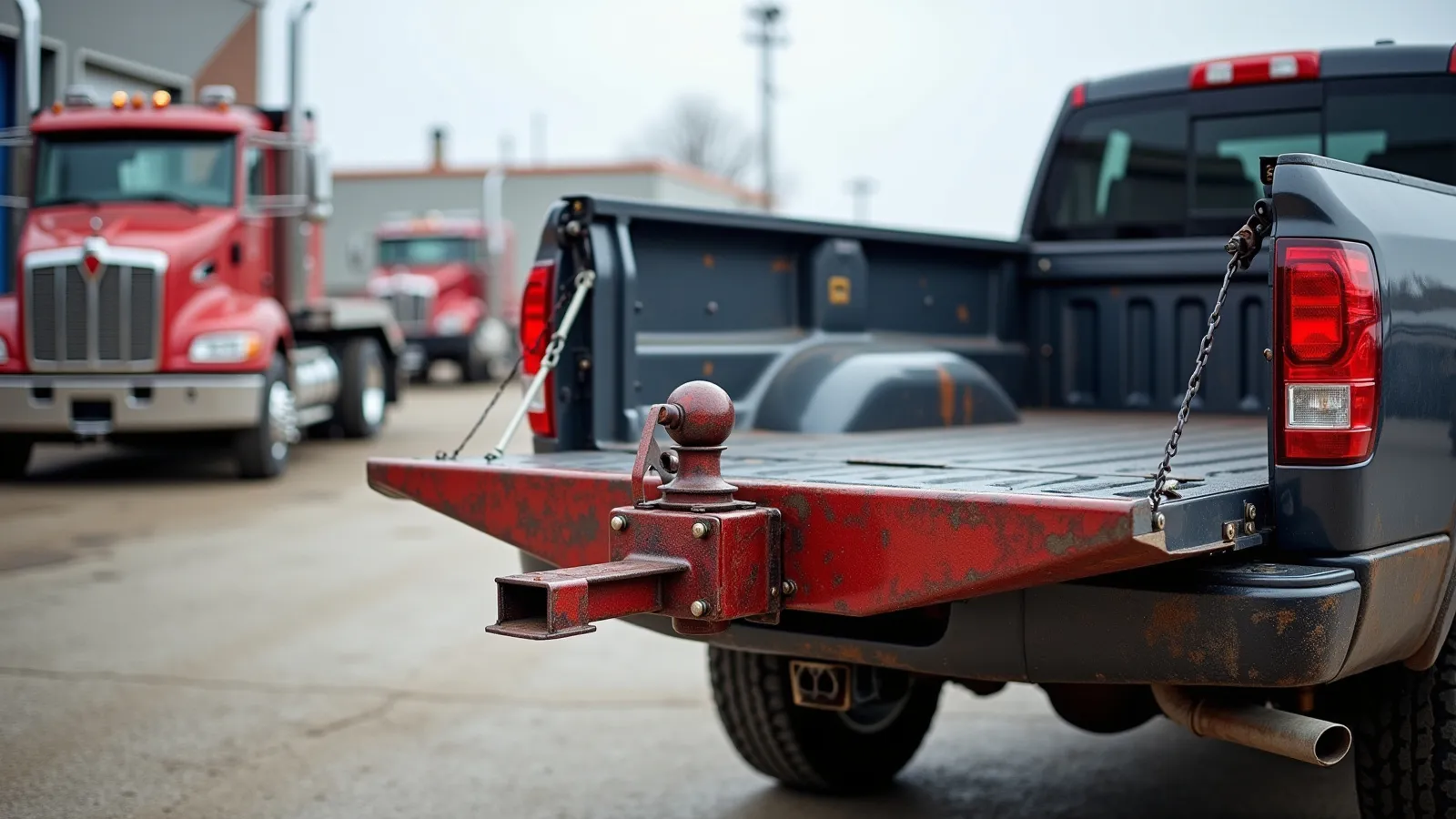
Gooseneck, Fifth-Wheel and Receiver Hitches
Gooseneck, fifth-wheel and receiver hitches for trucks that pull — chosen by class and application, not by the shape of the receiver alone, because the truck and the trailer set the real limit together.
-
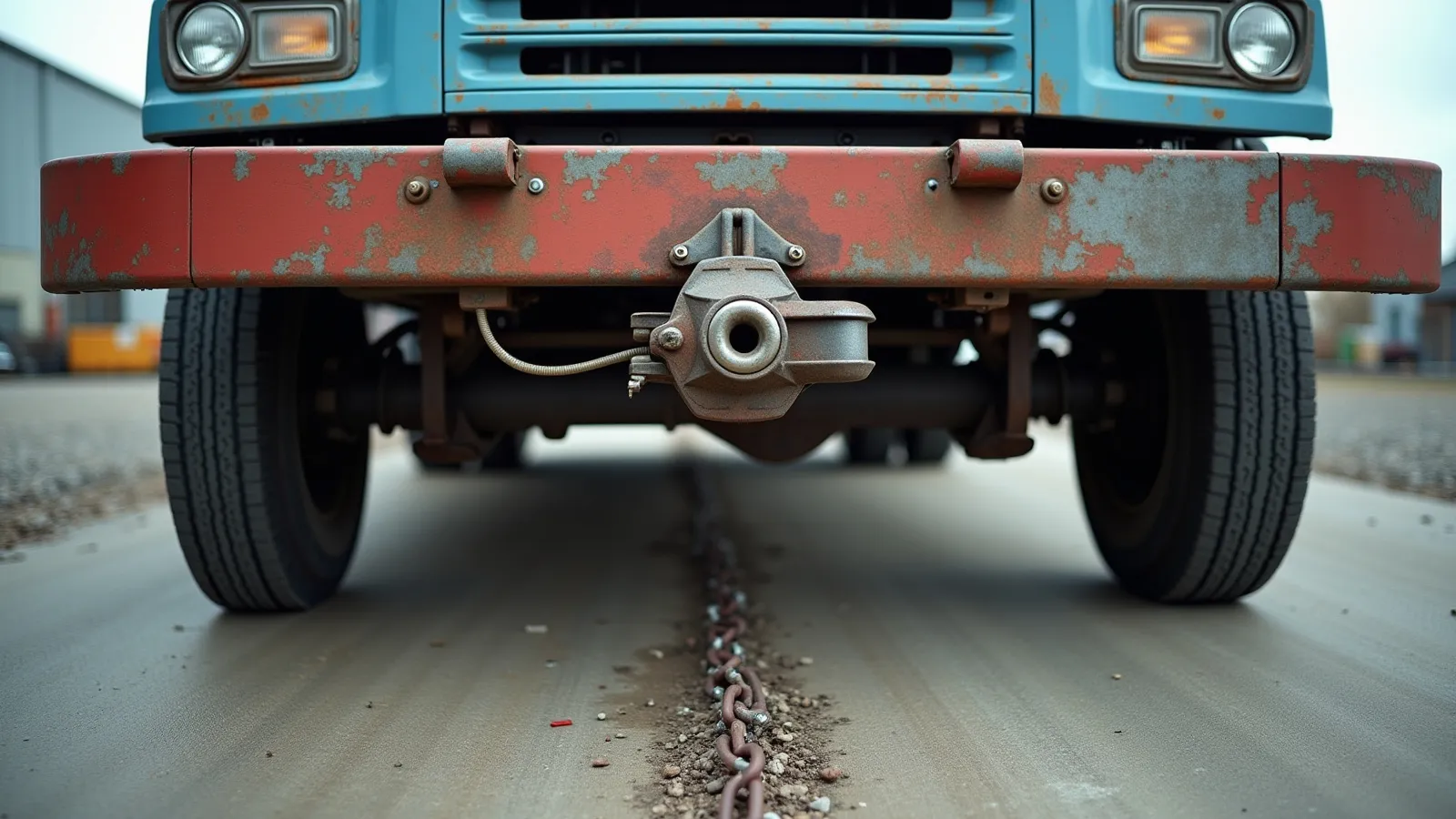
Off-Road Towing Hitches, Tow Bars and Couplers
Receiver hitches, off-road tow bars and trailer couplers sized to the truck and the trailer it pulls, with the ratings checked before a class or a coupler is chosen.
-
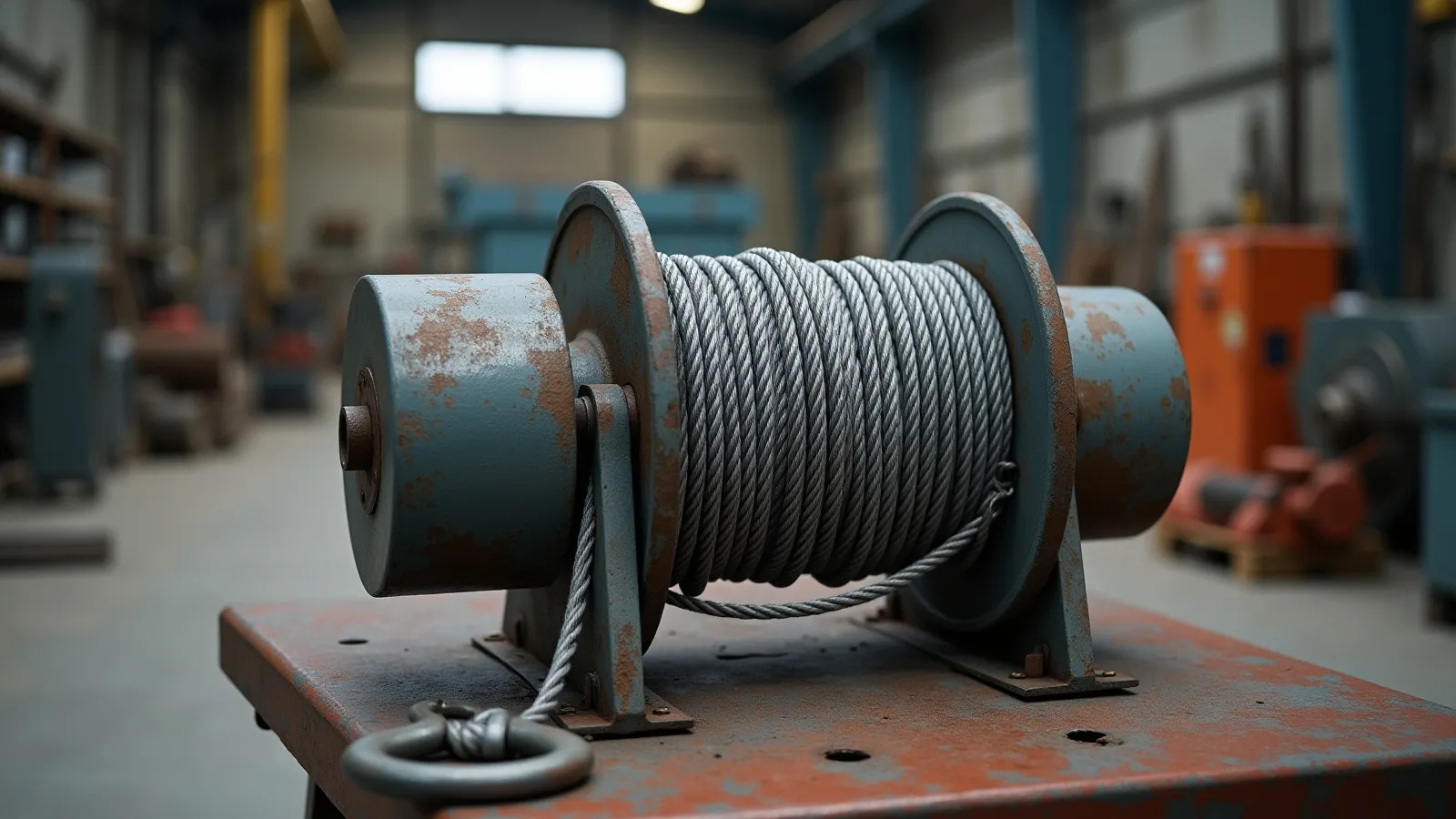
Winches, Control Boxes and Recovery Gear
Winches, control boxes and recovery gear fitted and wired to pull a stuck truck out safely, matched to the truck's weight and the pull it will actually make.


Shop by part
Or start with the hardware. Each part page explains the application it suits, how it fits your truck, what the install involves and the cost range to expect, so you can compare two choices before you buy either one.
-
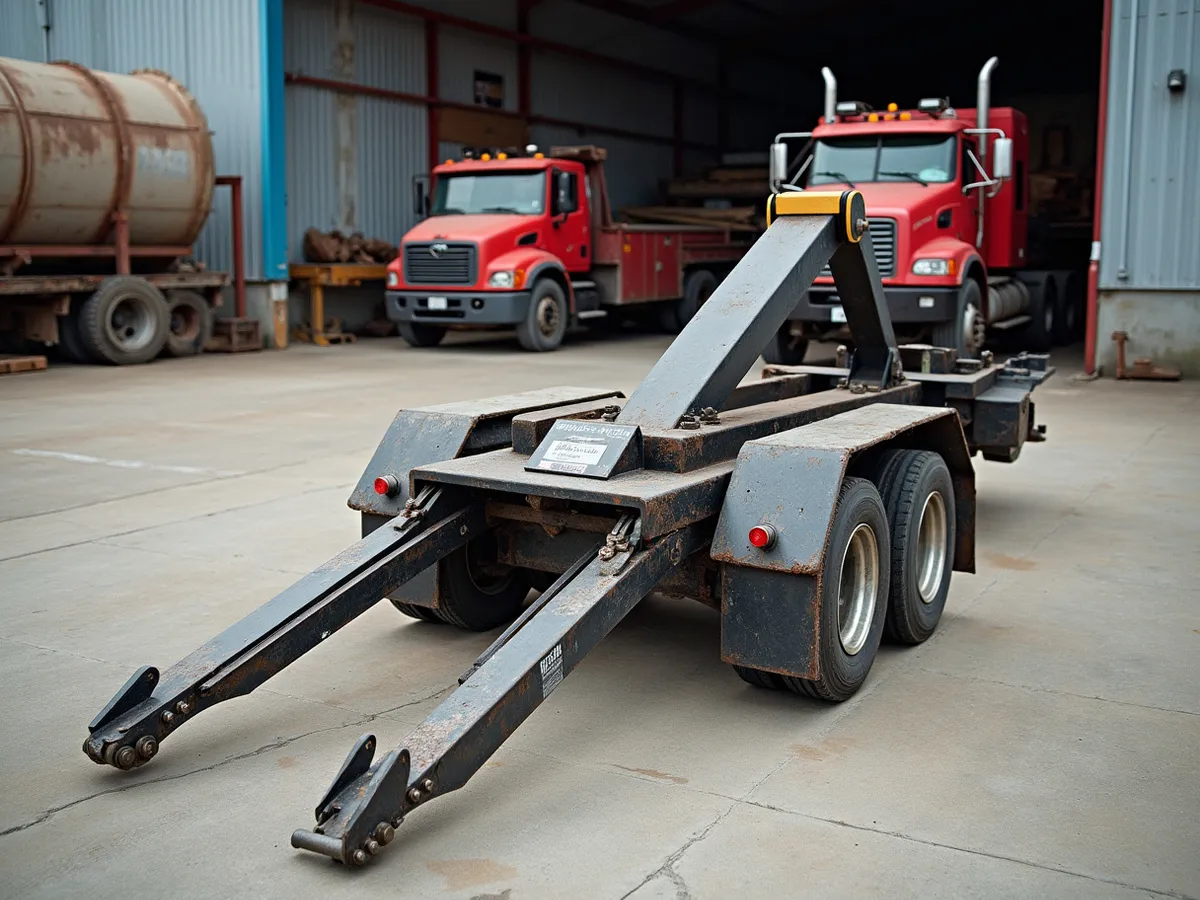
Rambler-Style Tow Bar
A folding tow bar for flat-towing a light 4x4 or car behind a motorhome, chosen by the towed vehicle's weight and the mounting points it can take.
$280–$700 varies by truck, capacity and install
-
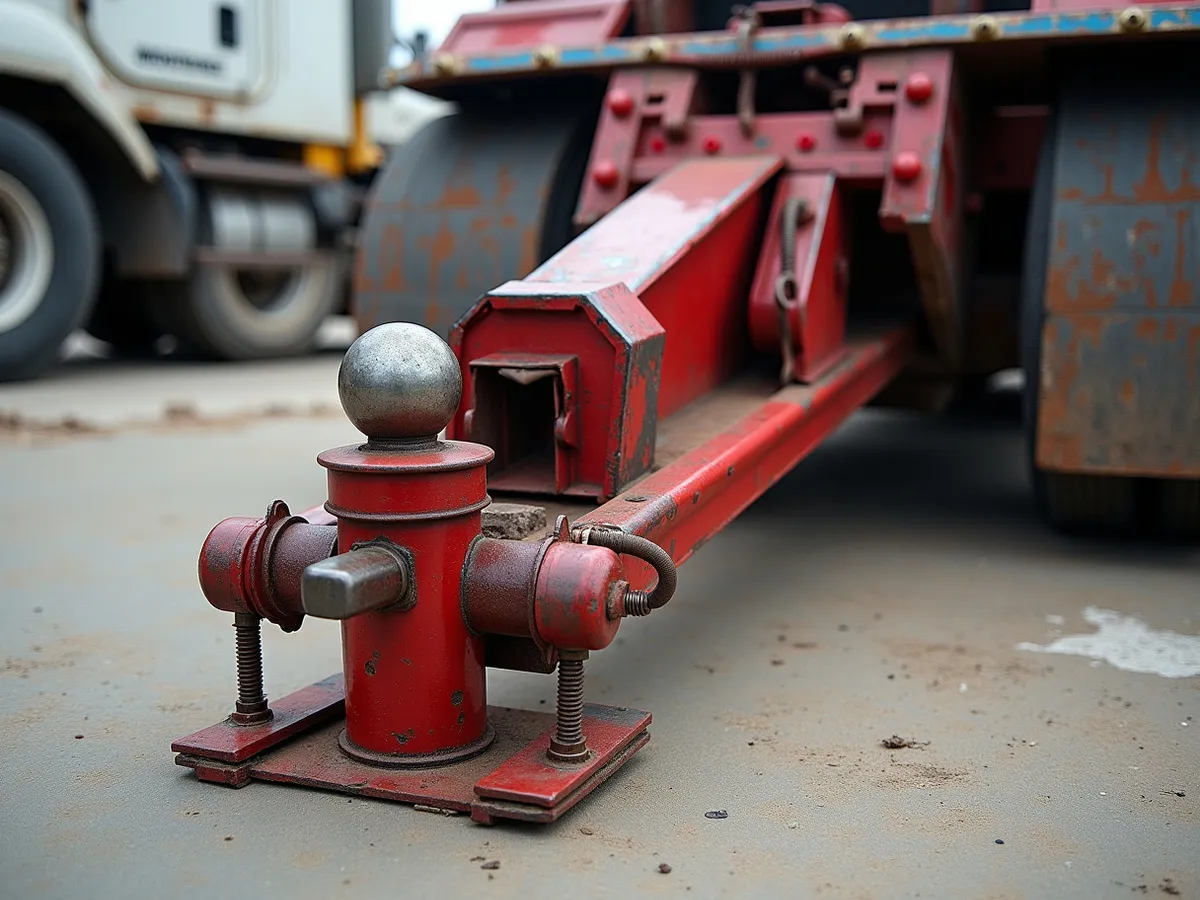
Curt Spyder Gooseneck
An under-bed gooseneck hitch system for heavy trailers, with a ball that stows flat so the bed stays usable when the trailer is unhitched.
$450–$1,300 varies by truck, capacity and install
-
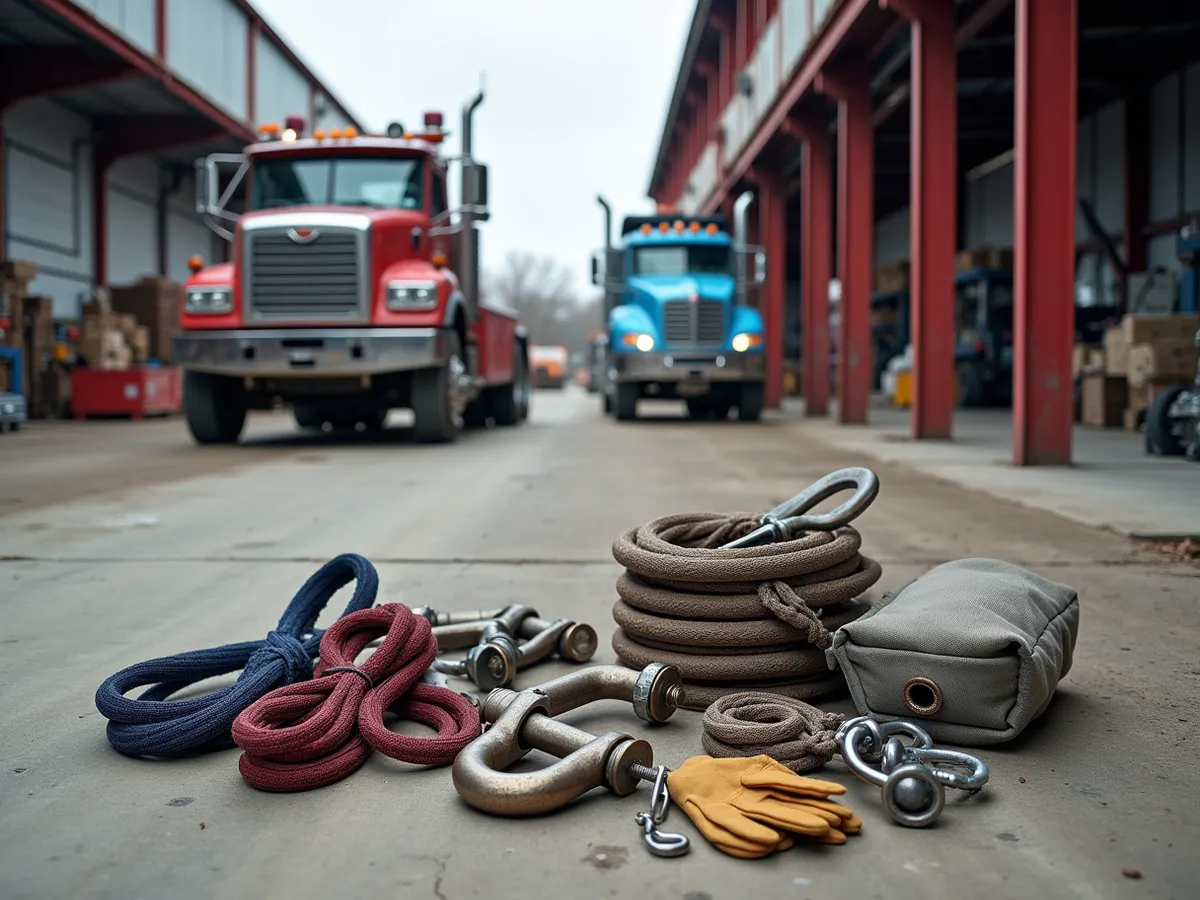
Factor 55 Recovery Gear
Recovery hardware that keeps a winch pull safe — closed-system shackles, straps and rigging chosen by the truck's weight and the recovery it will do.
$90–$260 varies by truck, capacity and install
-
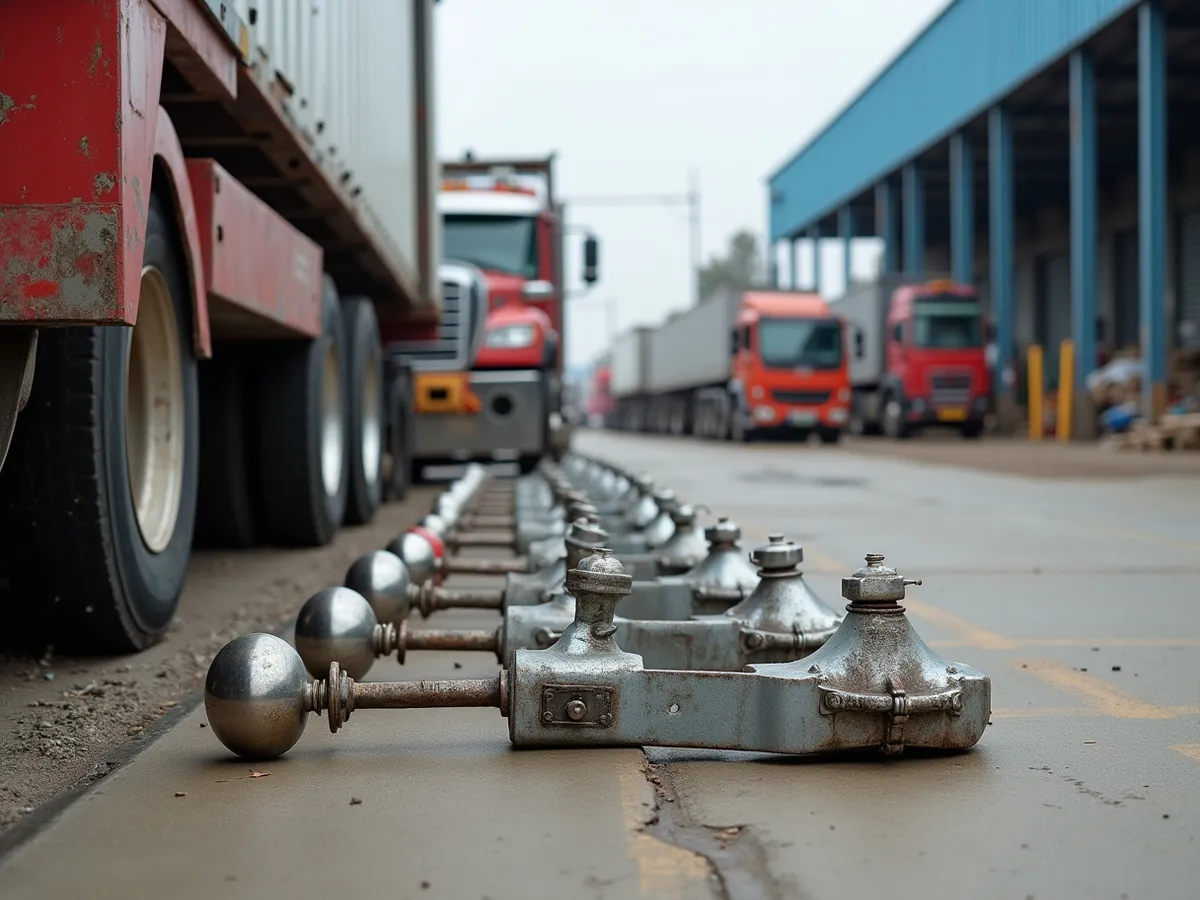
Gooseneck Ball Size
A guide to gooseneck ball sizes and how to match the ball to the trailer's coupler, because the wrong size looks shut but lets go under a bump.
$40–$140 varies by truck, capacity and install
-
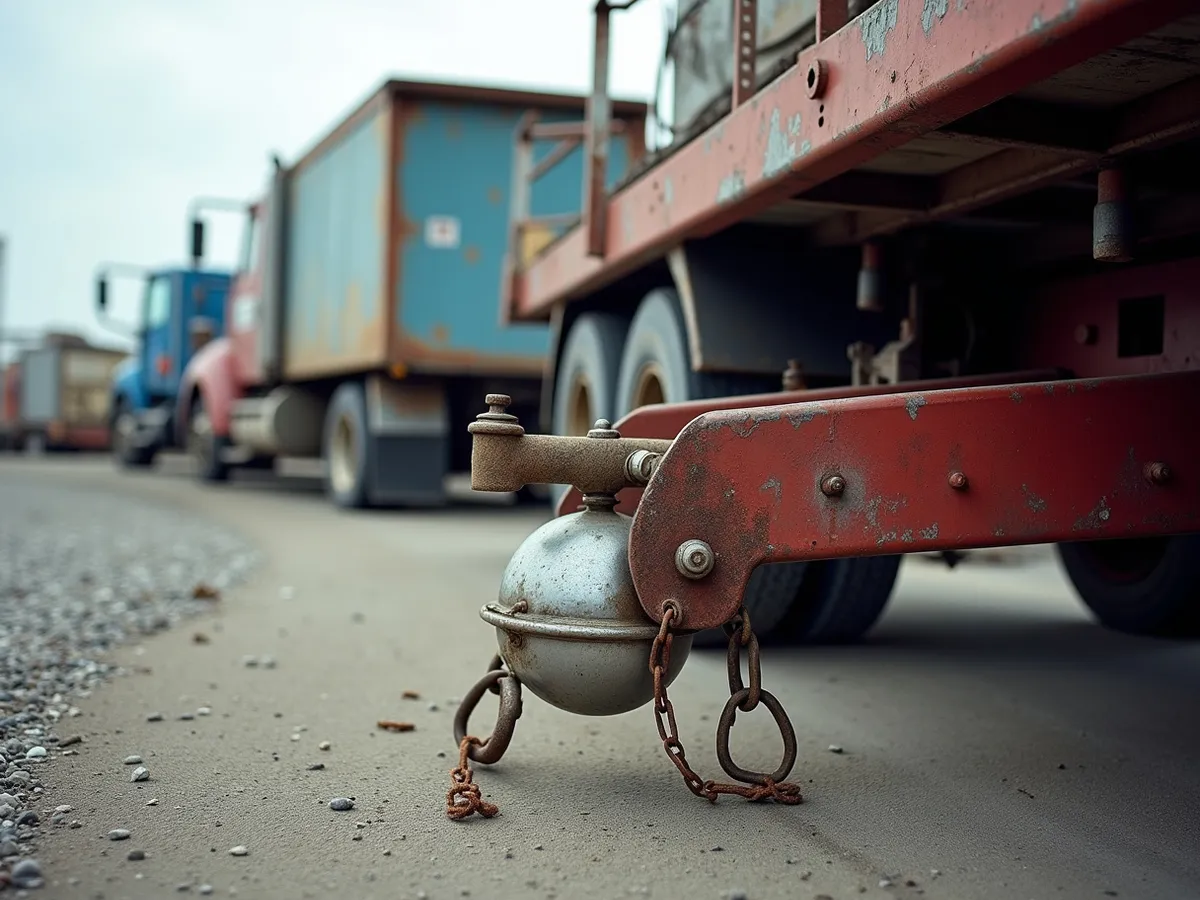
Gooseneck Trailer Ball Size
How to read a gooseneck trailer's ball requirement from the trailer side — coupler markings, trailer weight and the ball rating that has to carry the pin load.
$60–$220 varies by truck, capacity and install
-
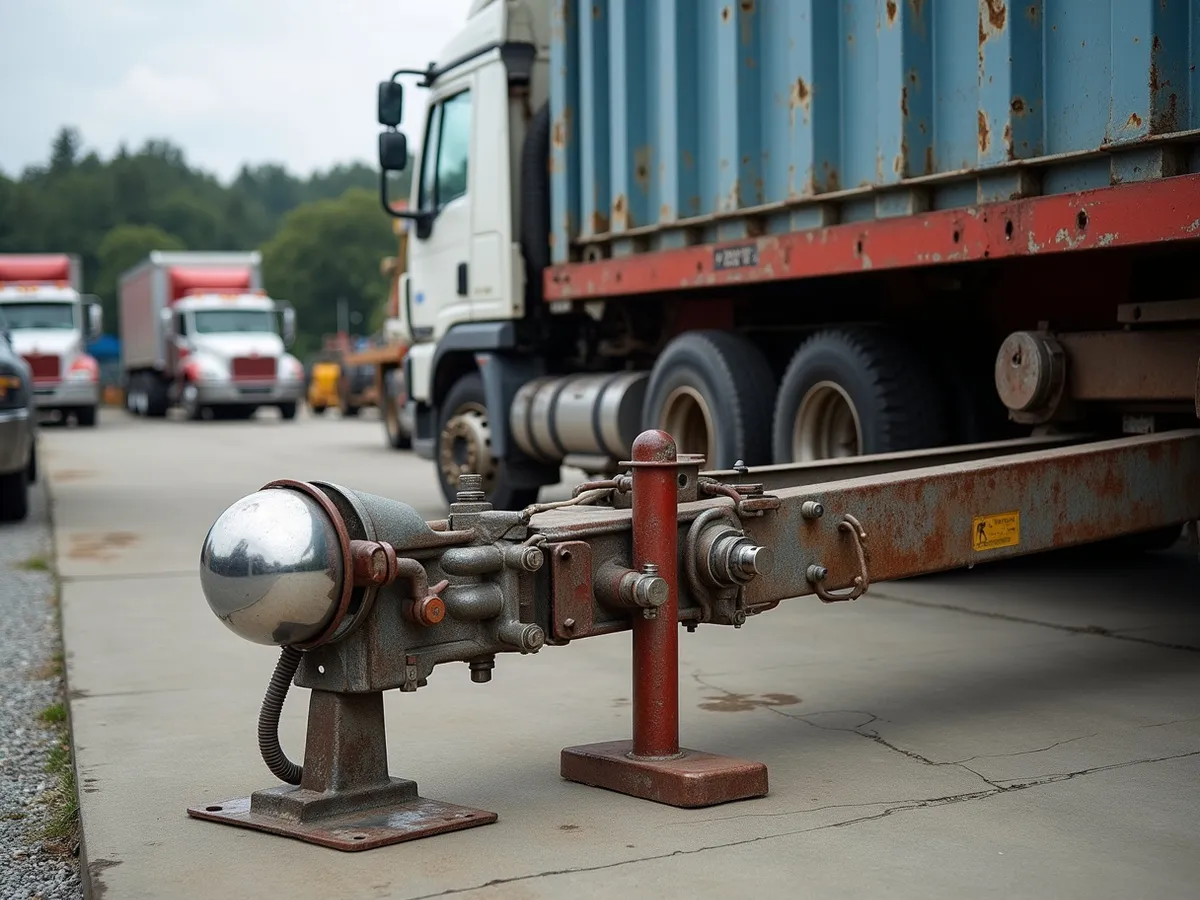
Off-Road Trailer Coupler
A heavy-duty trailer coupler built for rough ground, chosen by the ball size, the trailer's weight and the latch that has to stay shut over rough trails.
$140–$420 varies by truck, capacity and install
-
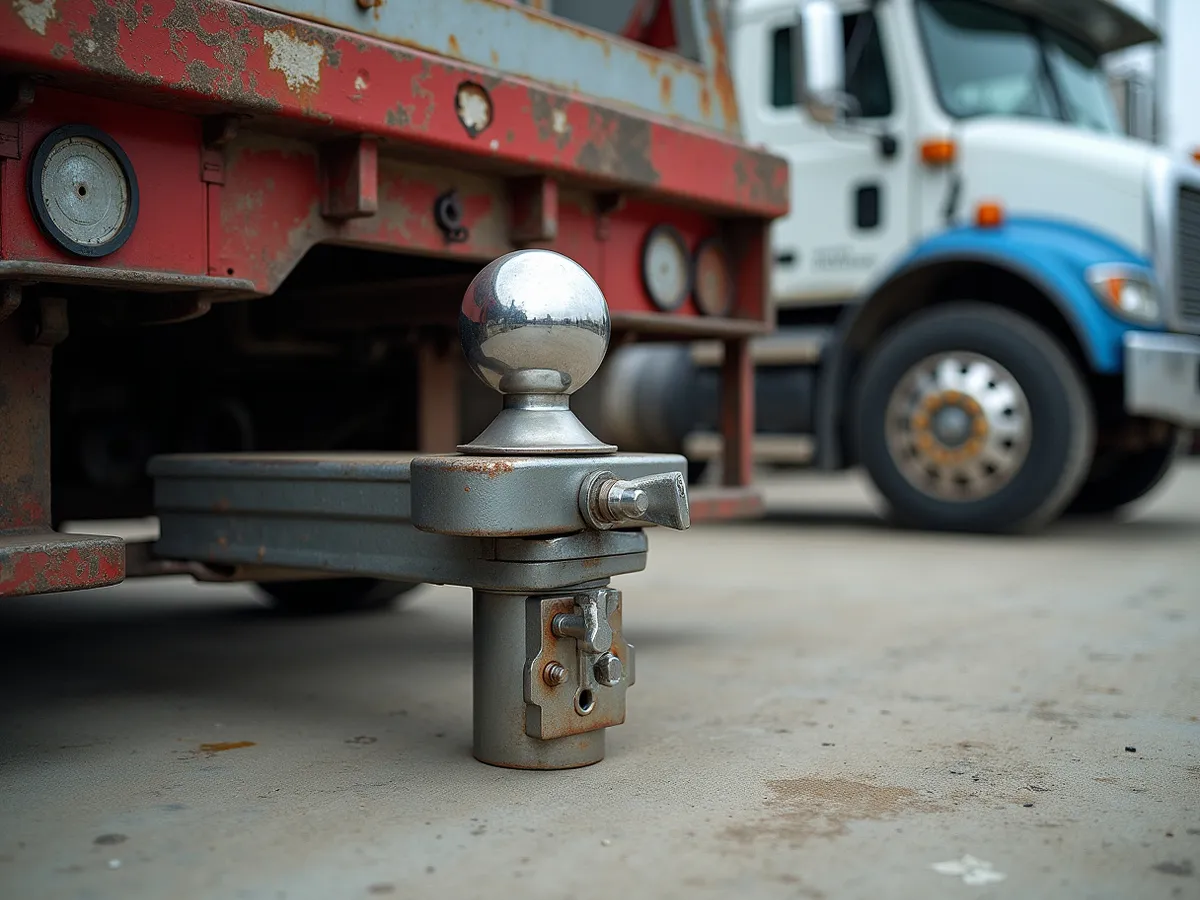
Standard Gooseneck Ball Size
The standard gooseneck ball size explained — what counts as the common size, what it fits, and why a standard ball still has to be checked against the truck's rating.
$40–$140 varies by truck, capacity and install
-
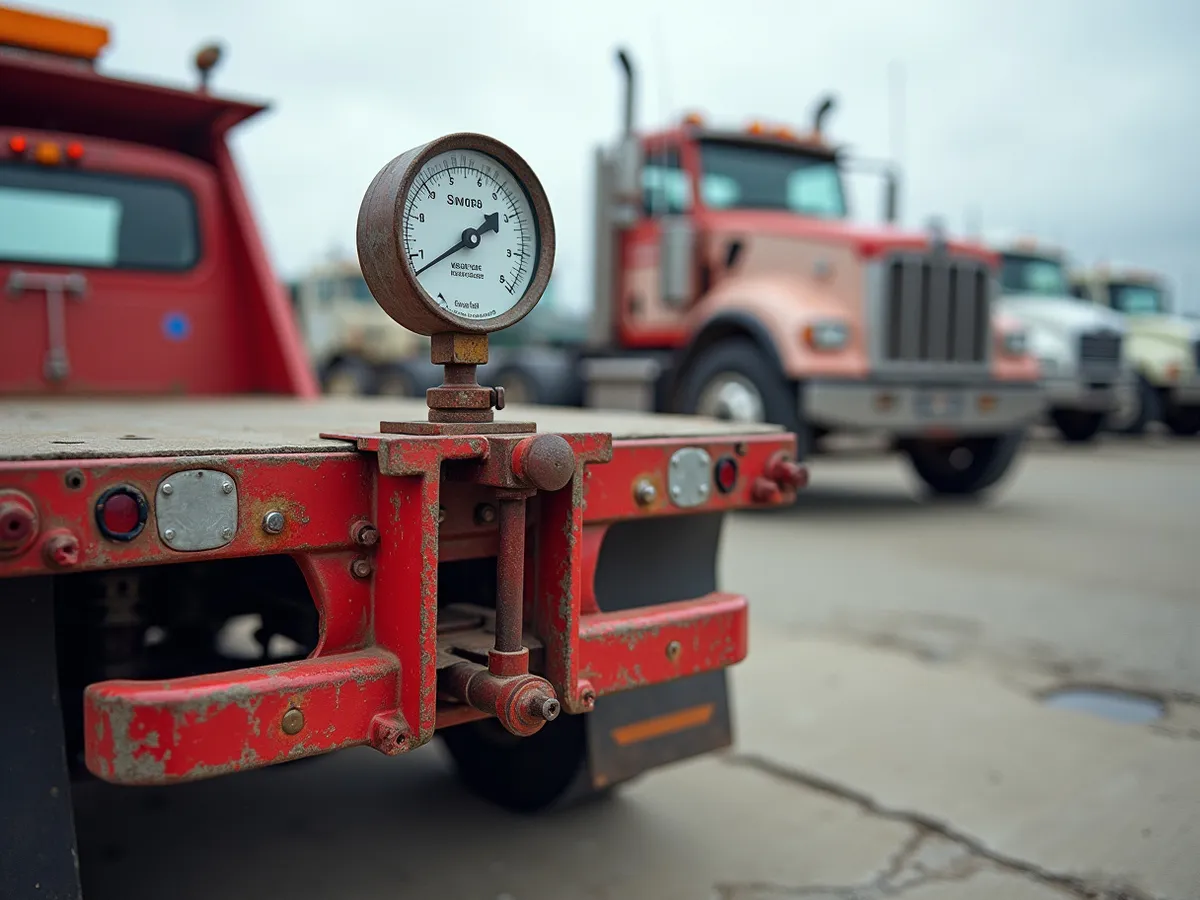
Weigh-Safe Gooseneck Ball
A gooseneck ball with a built-in tongue-weight gauge, so you can see the pin load on the ball before you tow rather than guess at it from a chart.
$280–$620 varies by truck, capacity and install


Commercial and fleet upfitting
A work truck is more than a service body. Upfitting covers the rack, the bins, the crane or the compressor, the lighting and the wiring that ties it to the chassis. We plan the layout around the job, then build it so nothing rattles loose on a caliche lane.
-
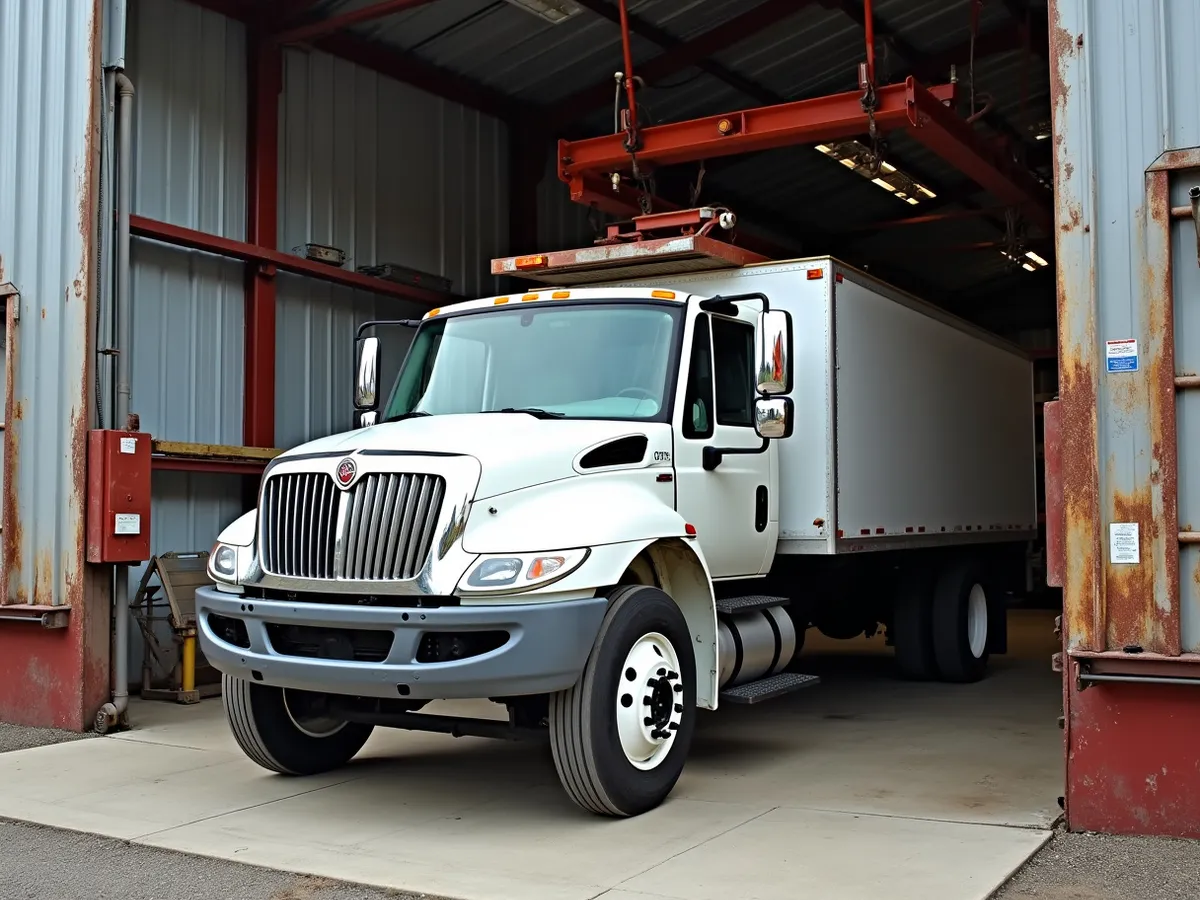
Commercial Truck Upfitting for Trades and Services
Commercial truck upfitting for plumbers, electricians, contractors and service crews — the body, the rack, the lighting and the wiring, planned around the trade before a single part is ordered.
-
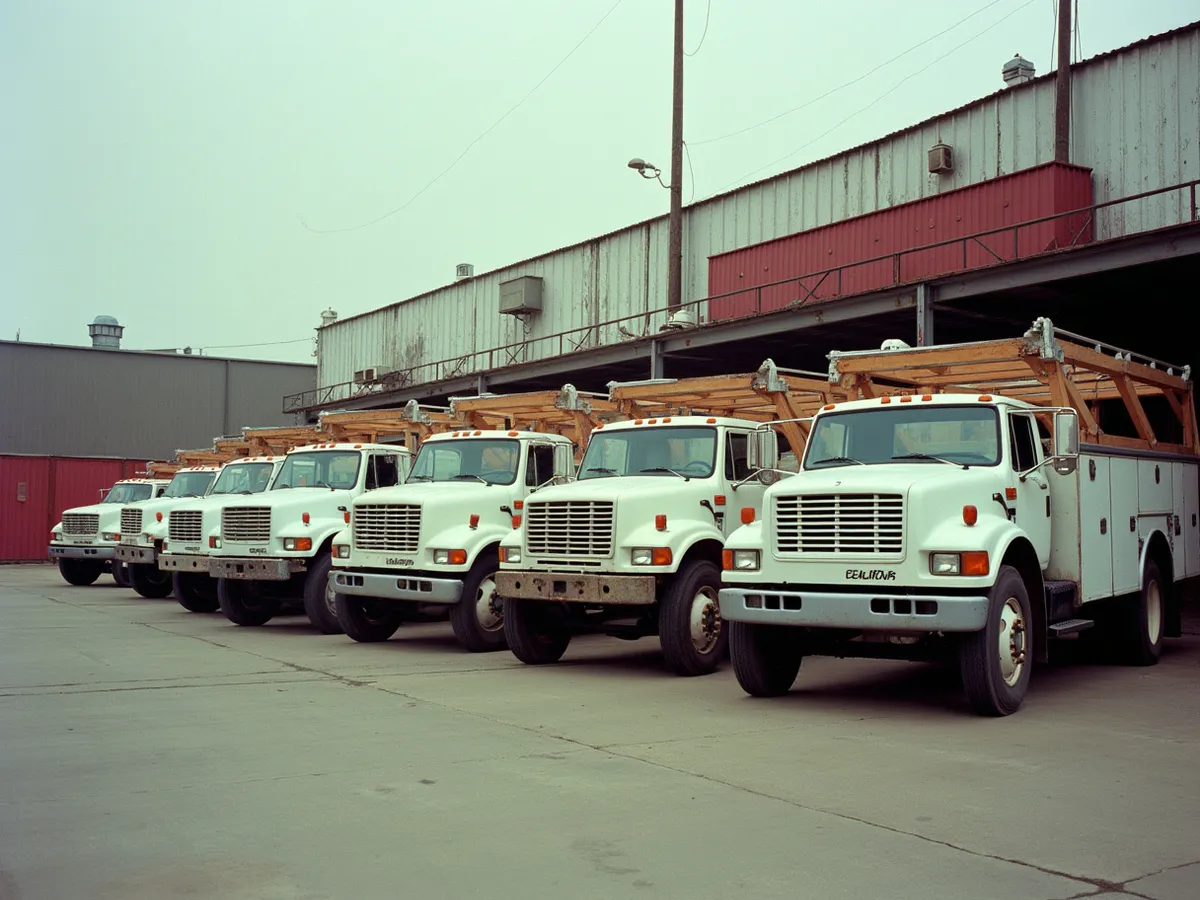
Fleet Upfitting Programs for Multi-Truck Operations
Fleet upfitting programs that lock one layout and reproduce it across every unit, so drivers moving between trucks find the same gear in the same places.
-
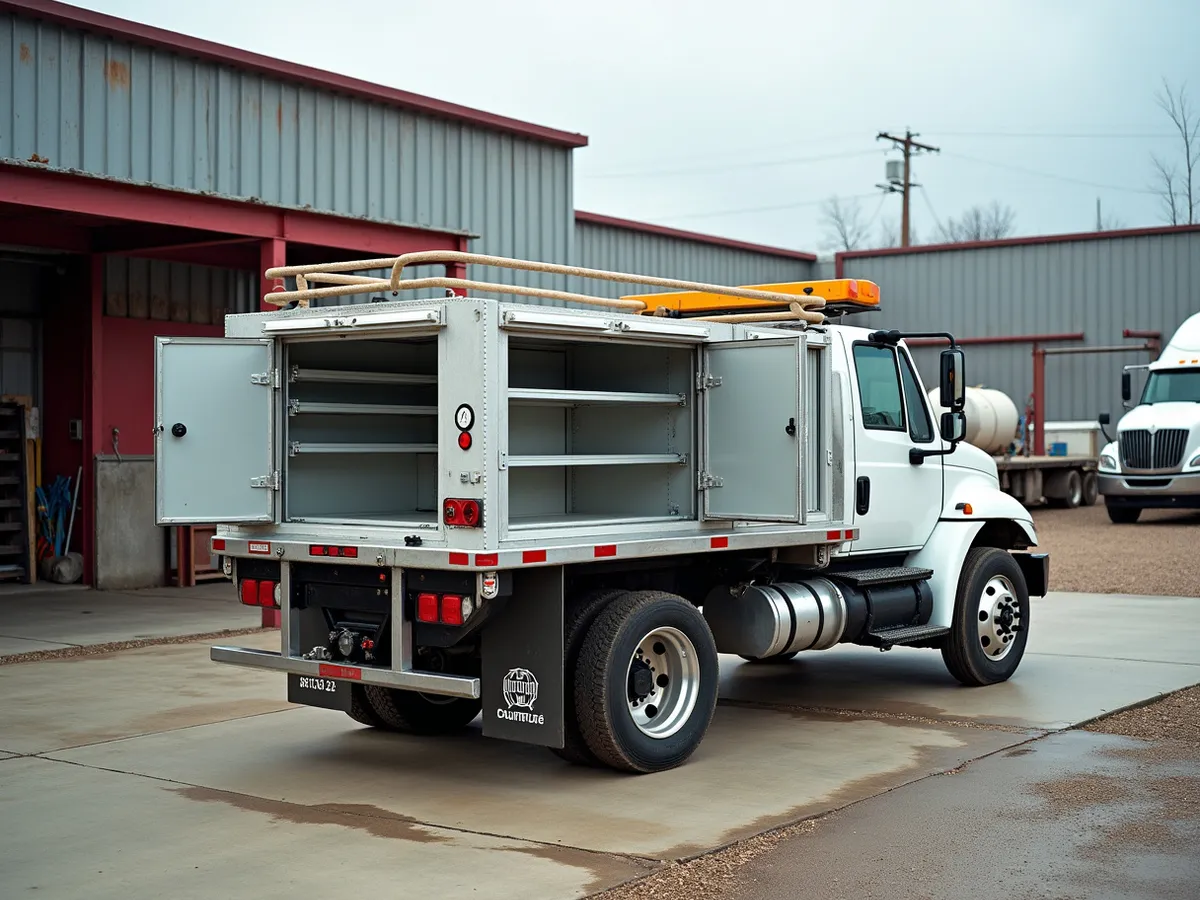
Work Truck and Service Body Upfit
Work-truck and service-body upfit that mounts a body, bins, a rack and the wiring to the chassis, planned around how a crew loads and unloads every day.


What we fit most
- Gooseneck ball sizing and mounts
- Weigh-Safe gooseneck balls
- Rambler tow bars and couplers
- Recovery gear and rigging
How a job runs here
The same beats run whether it is one hitch or a fleet of service bodies, and skipping one is how a rating gets missed and a load goes out unsafe.
-
Read the truck
We confirm the year, chassis, ratings and the load you intend to move before anything is picked.
-
Check the ratings
Hitch class, ball rating and tongue weight are checked against the truck and the trailer together.
-
Quote the range
You get a written range that reflects the hardware tier, the mount and the labour for your application.
-
Fit and upfit
We install, wire and torque the work, then check it after the first miles on the road.
Why Valley trucks are fitted here
- Ratings confirmed against your truck and trailer before anything is quoted.
- A written estimate that separates the hardware, the mount and the labour.
- Winch, recovery and upfit hardware fitted and wired, never just sold.
- Prices shown as ranges that vary, never as a made-up fixed number.
What customers tell us
There is no wall of anonymous praise here and no bought star average; what follows is the feedback a towing and upfit shop actually hears week to week. Nothing a customer writes goes unanswered.
- Customers raise the weight question first, wanting the class and the tongue load settled before they commit to a hitch or a ball.
- Telling a driver straight that the trailer outweighs the truck is the answer people say they value more than a quick sale.
- Fleet accounts and returning work tell us a hitch stayed tight or a winch wiring stayed dry through a season of hauling.
- The owners we warn about frame rust or tired wiring before the job are the ones who book the next unit with us.
How-to and cost guides
Plain answers on the questions that come up most: how a gooseneck hitch is mounted, how tow ratings and capacities actually add up, and how to run a winch recovery without hurting anyone. Prices are shown as ranges because they vary with the truck and the load.
-
How to Mount a Gooseneck Hitch
Mounting a gooseneck hitch means cutting an opening in the bed floor over the rear axle, fitting reinforcement below the bed to the frame rails, and setting a ball and its mechanism so the trailer pivots over the strongest part of the truck.
-
Tow Ratings and Capacities Explained
A tow rating is a set of limits that all apply at once, and the one you can actually use is the lowest of them.
-
Winch Recovery Basics
A winch recovery is a controlled pull with a strong line and a rated anchor, done slowly enough that nothing breaks and nobody stands in the path.
Questions before you order
How do I know which hitch I need?
The class follows the truck and the trailer. Send the year, make, model and what you pull, and we work from the truck's gross weight and the trailer's tongue load before a class or a mount is chosen.
Do you install what you sell?
Yes, and the estimate lists the fitting next to the hardware. A hitch, a gooseneck mount or a winch is installed, wired and torqued, then checked after the first miles.
What does a typical job cost?
A receiver hitch runs from about $250 to $700 installed and a gooseneck ball kit from about $450 to $1,300, with most jobs landing between $250 and $1,300. The figure varies with the truck, the class and the mount, so every number is a range.
Can you upfit more than one truck?
That is a normal week for us. Tell us the fleet size, how the units are used and when each can be down, and we stage the run so your operation keeps moving while the upfits are built.
Do you work on lifted or modified trucks?
Yes. Lifts, aftermarket bumpers and bigger tires are the kind of build we see daily, and they can move a mount point or a clearance. Tell us what has been changed, because it changes what the hardware needs.