Gooseneck, Fifth-Wheel and Receiver Hitches
Gooseneck, fifth-wheel and receiver hitches for trucks that pull — chosen by class and application, not by the shape of the receiver alone, because the truck and the trailer set the real limit together.

Gooseneck, Fifth-Wheel and Receiver Hitches at a glance
- Class III receiver hitch installed
- $250–$650
- Class IV or V receiver hitch installed
- $420–$1,150
- Under-bed gooseneck ball kit
- $450–$1,300
- Fifth-wheel rails and bracket kit
- $700–$2,200
The hitch types we fit
A hitch is a way of transferring load from a trailer into a truck, and each type does it differently. A receiver hitch pulls from behind the rear bumper, a gooseneck mount puts the pivot over the rear axle inside the bed, and a fifth-wheel does the same with a larger plate that takes heavier trailers. Knowing which one your load actually wants is the first decision on any hitch job, and the rest of the work follows from it.
- Under-bed gooseneck ball mounts with a 2 5/16 inch ball
- Fifth-wheel rails and brackets for heavier trailers
- Class III, IV and V receiver hitches
- Weight-distributing and sway-control setups
- Trailer plugs, harnesses and brake controls

Fitment by truck and bed
Every hitch mounts to points the factory left on a specific truck, so two trucks with the same badge can take different hardware. A gooseneck is drilled and reinforced through a particular bed, a receiver bolts to a particular frame rail, and a fifth-wheel needs brackets that line up with the frame and clear a short bed. We confirm the chassis, the bed and the wheelbase before a mount is picked.
- Ford F-150, F-250 and F-350 Super Duty frames
- Chevrolet Silverado 1500, 2500 and 3500 chassis
- GMC Sierra 1500, 2500 and 3500 chassis
- RAM 1500, 2500 and 3500 with coil or leaf rear ends
- Toyota Tacoma, Tundra, Nissan Frontier and Jeep Gladiator
- Honda Ridgeline with its unibody rear structure
What changes the choice
Two trucks rated for the same trailer can still land on different hardware once the details are in. The variables that move a hitch choice are worth understanding before you price one, because a cheaper class that cannot carry your tongue weight is no bargain at all.
- The truck's gross vehicle weight and rear-axle rating
- The trailer's loaded tongue weight and overall weight
- Whether the trailer uses a weight-distributing setup
- Bed length, which limits a fifth-wheel's turning clearance
- Whether the truck has a factory receiver and a tow package
How a hitch is fitted
Every install follows the same sequence so a mount is reinforced, a ball is torqued and the wiring is tested before the truck leaves the bay.
-
Read the truck's ratings and the trailer's weights.
-
Choose the class and the mount the application needs.
-
Measure the frame and the bed for the mount points.
-
Drill, reinforce and fit the under-bed or receiver hardware.
-
Torque every bolt to the truck's own mount points.
-
Run and test the trailer wiring and any brake control.
-
Re-check the torque and the ball after the first miles.
What a hitch costs
A hitch price stacks the hardware, the mount and the labour, and it moves with the class you need rather than with the badge on the tailgate. The figure varies with the truck, the receiver size and whether the frame needs reinforcement. Treat it as a starting range, not a quote we can hold.
- Class III receiver hitch installed
- $250–$650
- Class IV or V receiver hitch installed
- $420–$1,150
- Under-bed gooseneck ball kit
- $450–$1,300
- Fifth-wheel rails and bracket kit
- $700–$2,200
- Trailer wiring and brake control
- $180–$560
A ball rating is not the tow limit
This is the single mistake that causes the most trouble. A gooseneck ball may carry a rating in the tens of thousands of pounds, which tempts a driver to believe the truck can pull that much. It cannot be trusted as the limit on its own. Your truck's gross vehicle weight rating, its payload and its rear-axle rating all compete for the same ceiling, and the real number you can tow is the lowest of those working together with the ball.
Gooseneck, fifth-wheel or receiver
The three families suit different work. A gooseneck ball stows flat when it is not in use, which keeps a work truck's bed usable between jobs. A fifth-wheel handles the heaviest trailers and holds a steadier line on the highway. A receiver hitch is the most flexible, because it swaps between a ball mount, a tow bar and a hitch-mounted accessory in seconds. Choose by the trailer you pull most, not by the one you pull once.
Weight distribution and trailer sway
A trailer that squats the rear of a truck also lifts weight off the front axle, which is how a long pull turns vague and nervous. A weight-distributing hitch puts that weight back onto the front axle and settles the ride. Sway control adds a damper against the side-to-side push a crosswind or a passing semi introduces. If your trailer is heavy enough to need either, the hardware belongs in the quote from the start rather than as a later surprise.
Wiring and brake control done right
A trailer that cannot tell the truck's lights and brakes what to do is not a safe trailer, however strong the hitch is. The harness runs from the truck's own circuits to a plug, and a trailer heavy enough to need brakes gets a proportional controller wired to a fused source. We load-test the circuit rather than trust a test light, because a plug that works on a bench can still fail under the vibration of a real road.
Confirmation before ordering
Most hitch mistakes trace back to an assumption about the cab, the bed or the frame that turns out wrong. Confirm all of it before a mount is ordered, because a hitch cut for one chassis will not seat on another, however close the tape measure looks. Send the year, cab, bed and the trailer you pull, and we settle the class and the mount against your truck's real numbers.
Parts in this area
Parts priced as ranges and fitted by application.
-
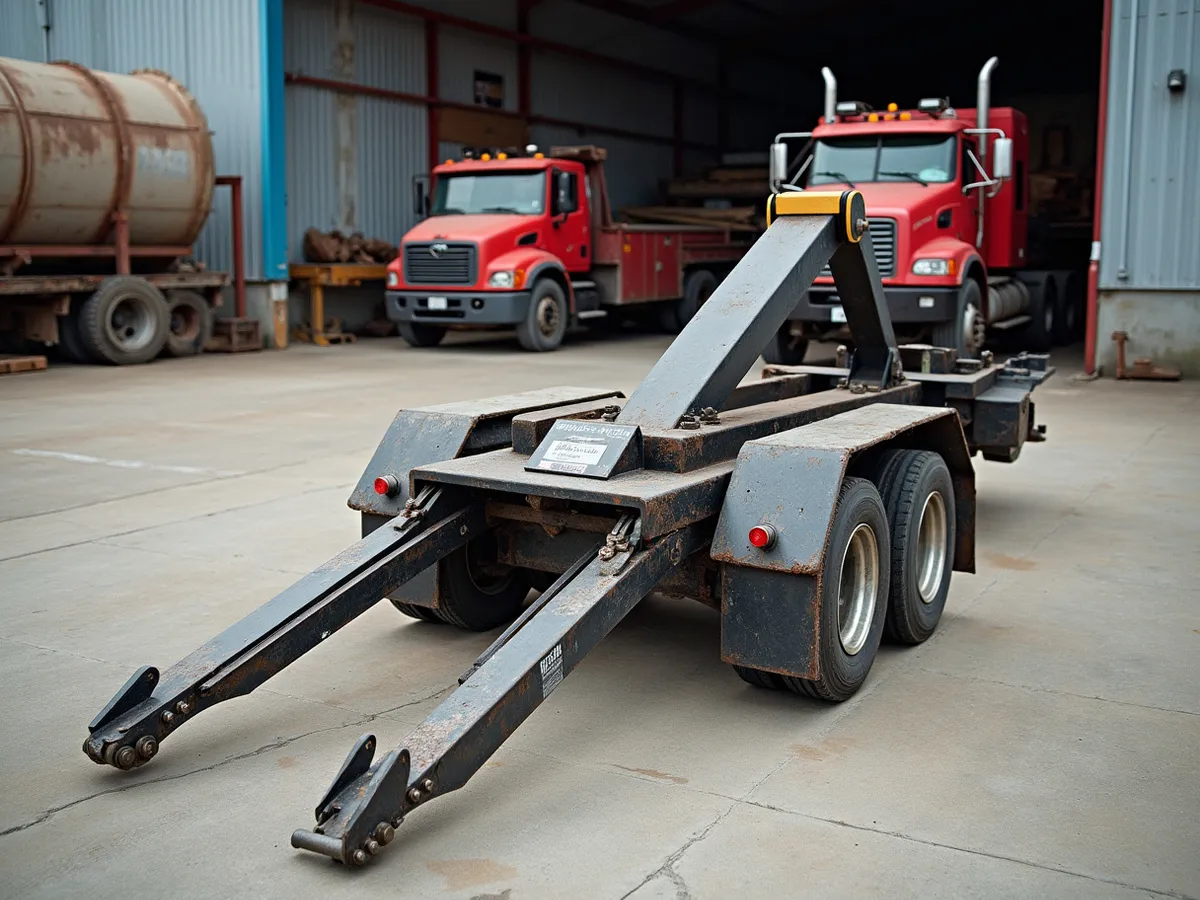
Rambler-Style Tow Bar
A folding tow bar for flat-towing a light 4x4 or car behind a motorhome, chosen by the towed vehicle's weight and the mounting points it can take.
$280–$700 varies by truck, capacity and install
-
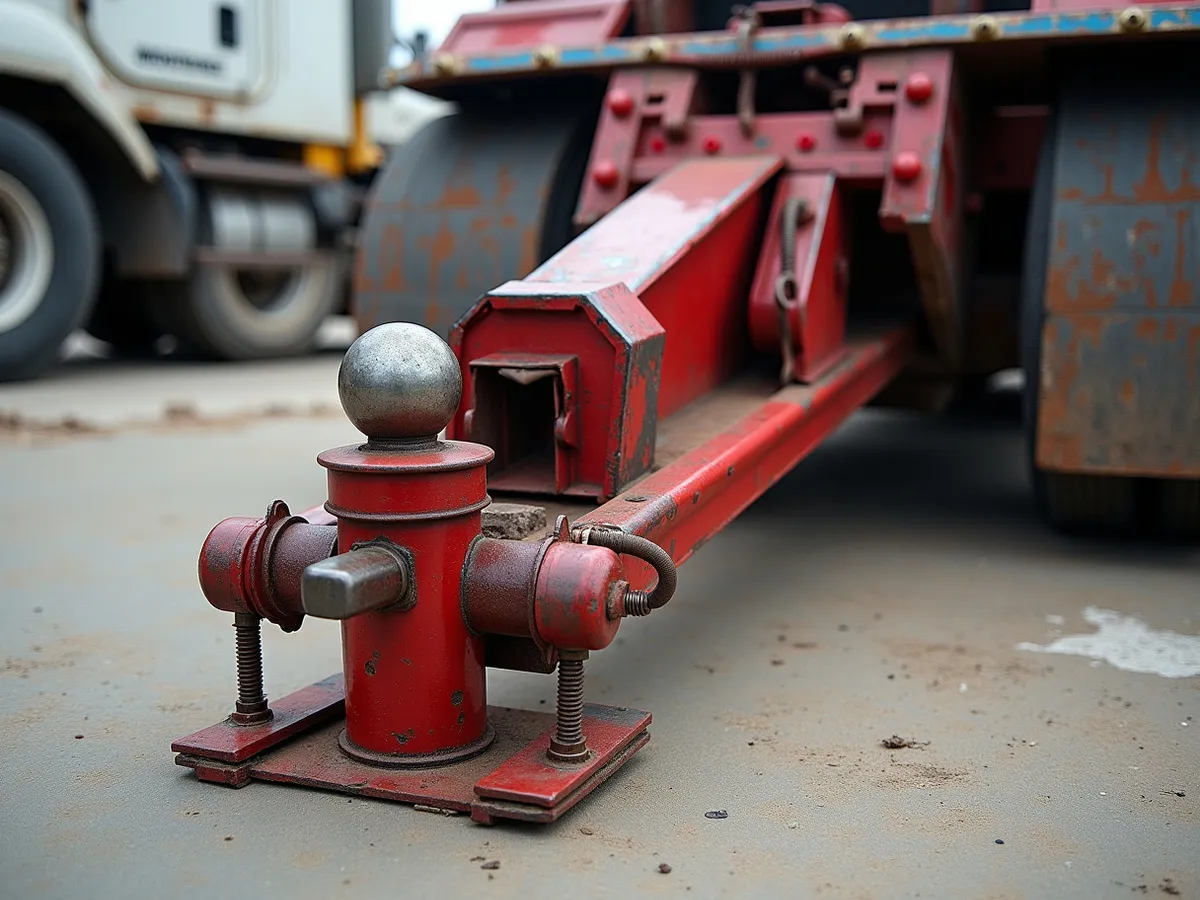
Curt Spyder Gooseneck
An under-bed gooseneck hitch system for heavy trailers, with a ball that stows flat so the bed stays usable when the trailer is unhitched.
$450–$1,300 varies by truck, capacity and install
-
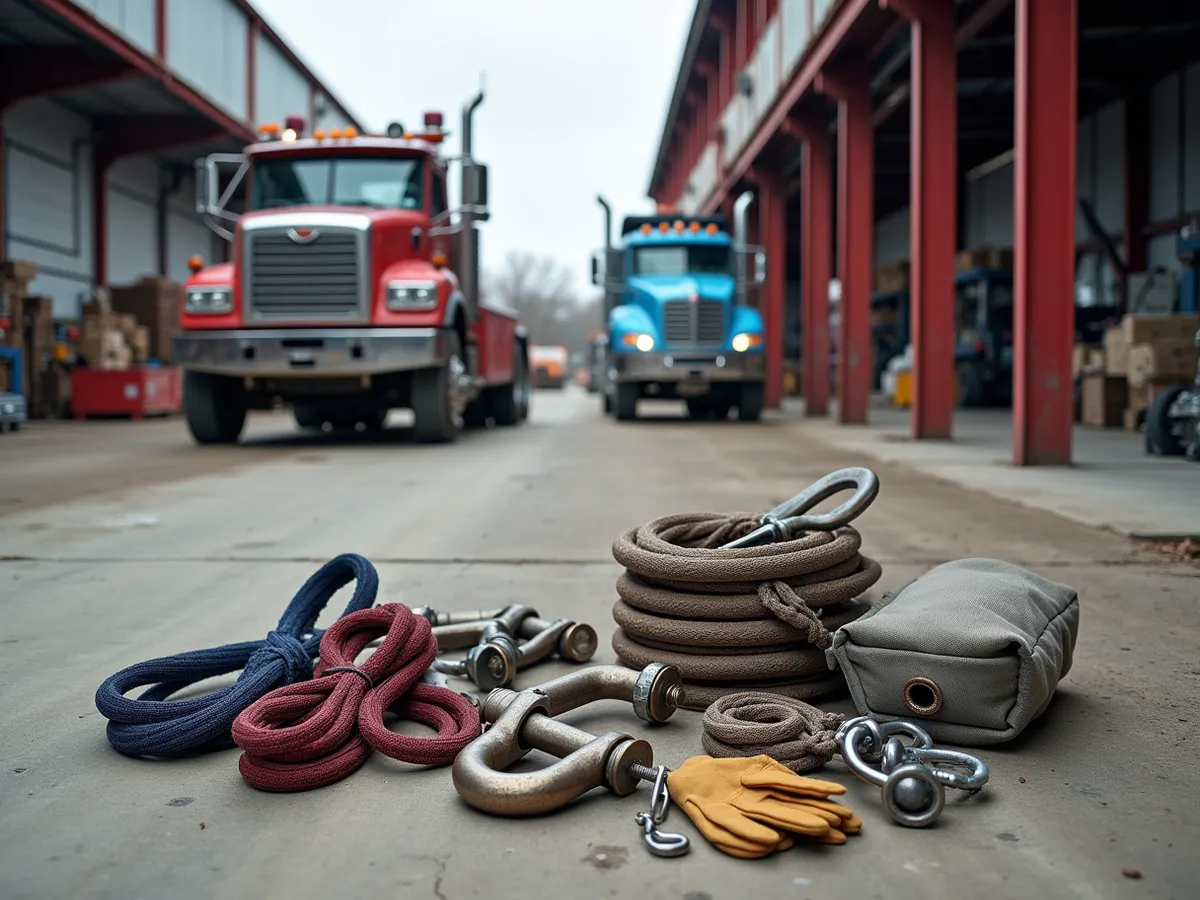
Factor 55 Recovery Gear
Recovery hardware that keeps a winch pull safe — closed-system shackles, straps and rigging chosen by the truck's weight and the recovery it will do.
$90–$260 varies by truck, capacity and install
-
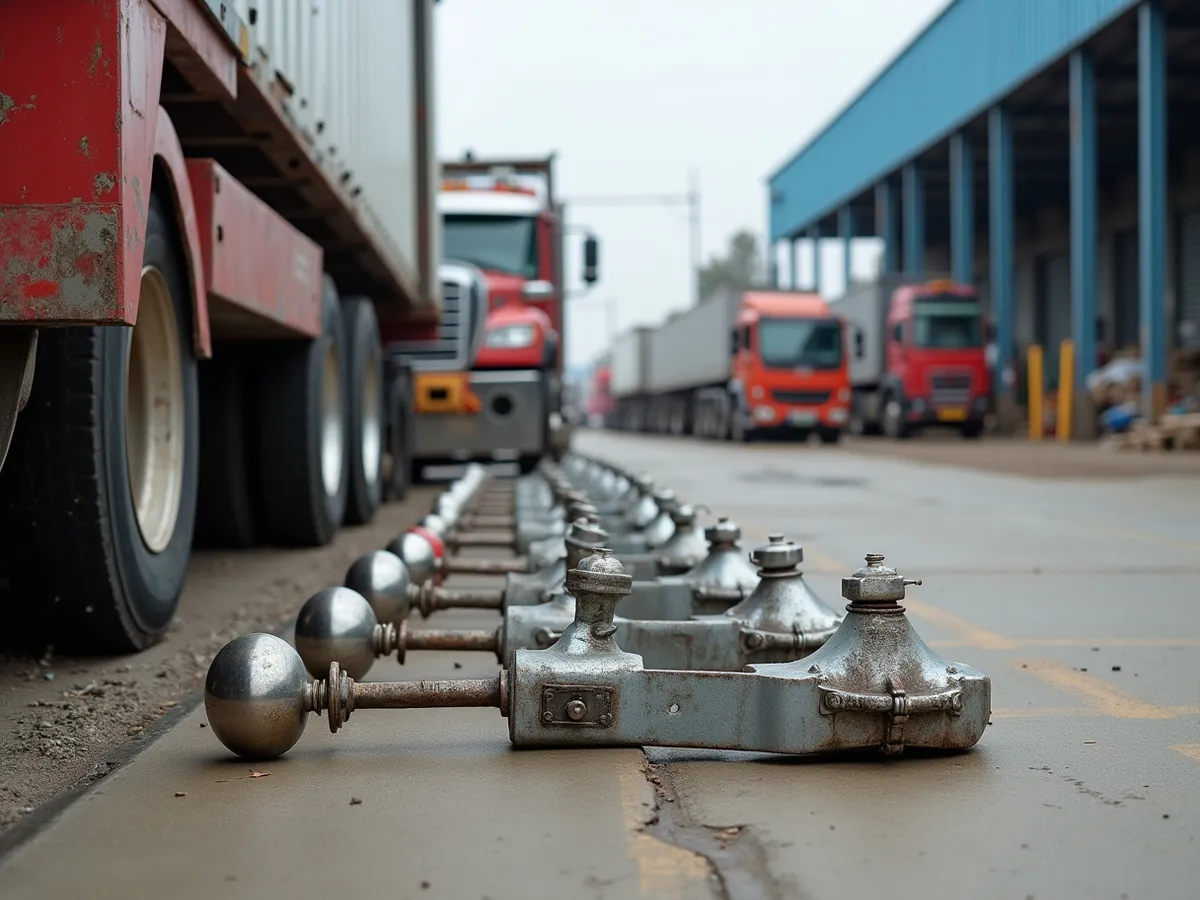
Gooseneck Ball Size
A guide to gooseneck ball sizes and how to match the ball to the trailer's coupler, because the wrong size looks shut but lets go under a bump.
$40–$140 varies by truck, capacity and install
-

Gooseneck Trailer Ball Size
How to read a gooseneck trailer's ball requirement from the trailer side — coupler markings, trailer weight and the ball rating that has to carry the pin load.
$60–$220 varies by truck, capacity and install
-
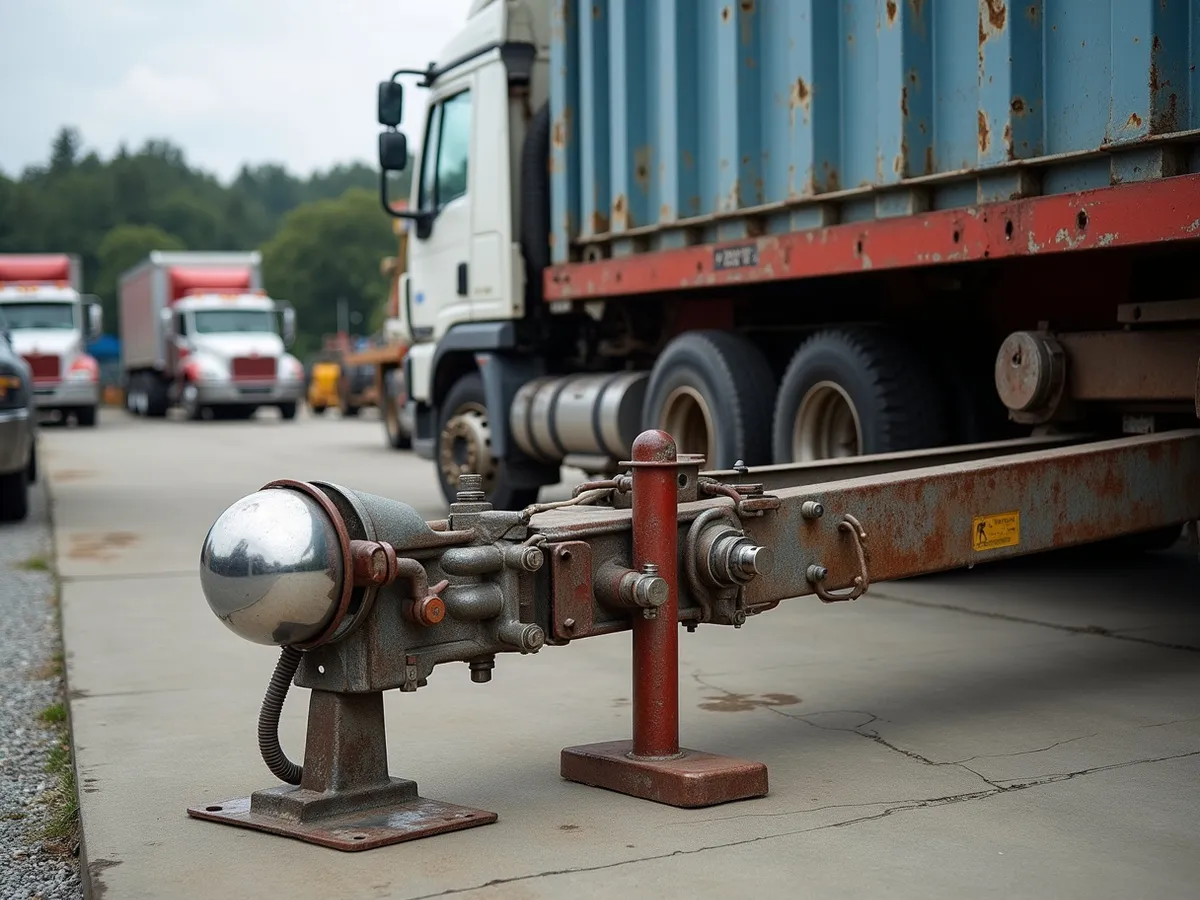
Off-Road Trailer Coupler
A heavy-duty trailer coupler built for rough ground, chosen by the ball size, the trailer's weight and the latch that has to stay shut over rough trails.
$140–$420 varies by truck, capacity and install
-
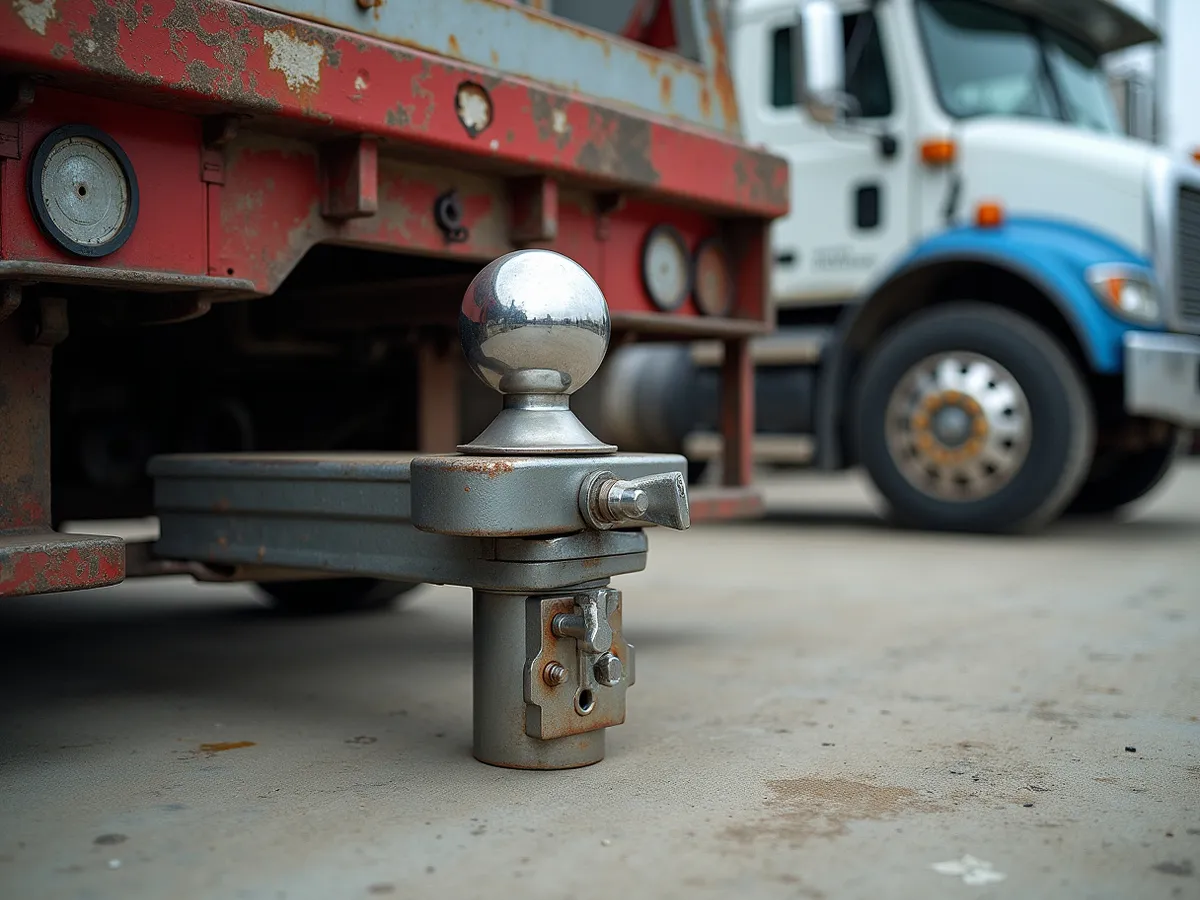
Standard Gooseneck Ball Size
The standard gooseneck ball size explained — what counts as the common size, what it fits, and why a standard ball still has to be checked against the truck's rating.
$40–$140 varies by truck, capacity and install
-
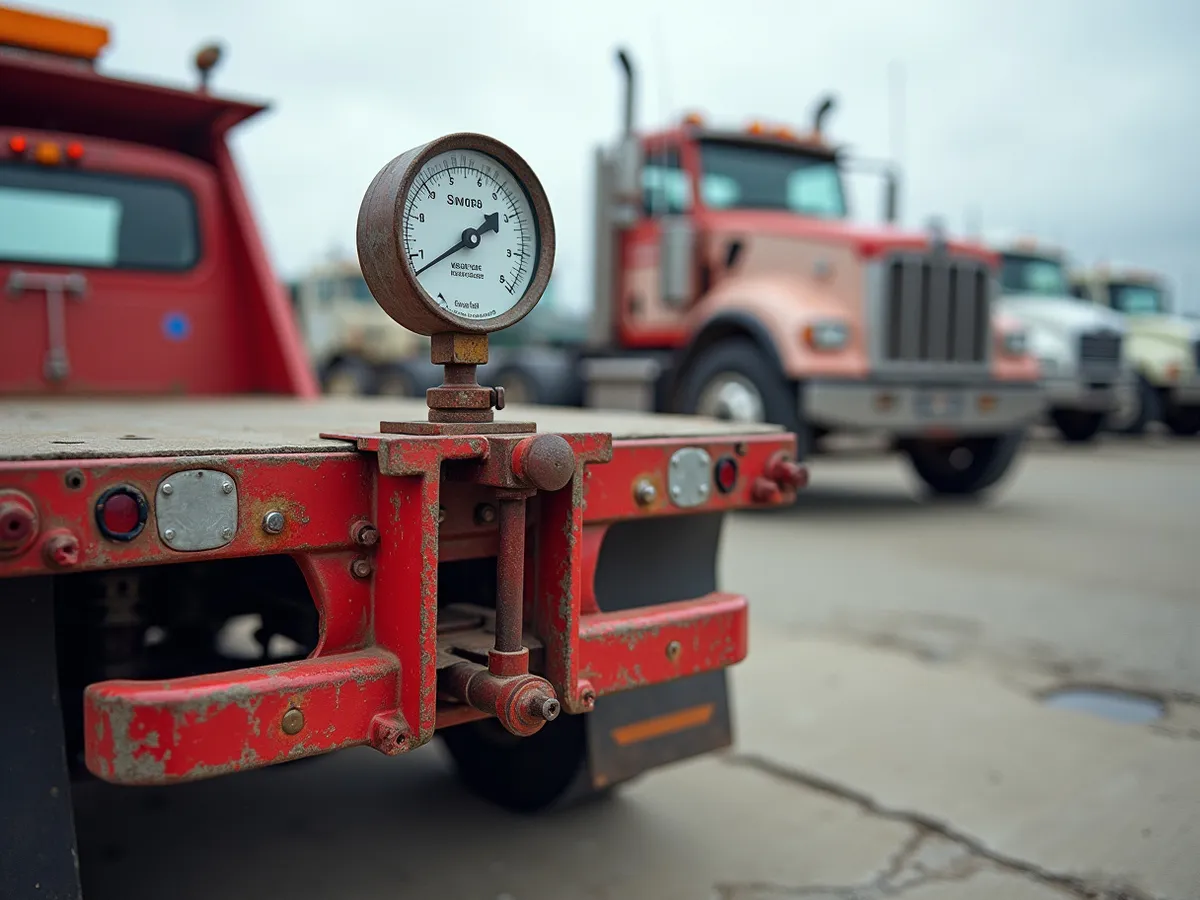
Weigh-Safe Gooseneck Ball
A gooseneck ball with a built-in tongue-weight gauge, so you can see the pin load on the ball before you tow rather than guess at it from a chart.
$280–$620 varies by truck, capacity and install


The other areas
The rest of the towing and upfit work.
-
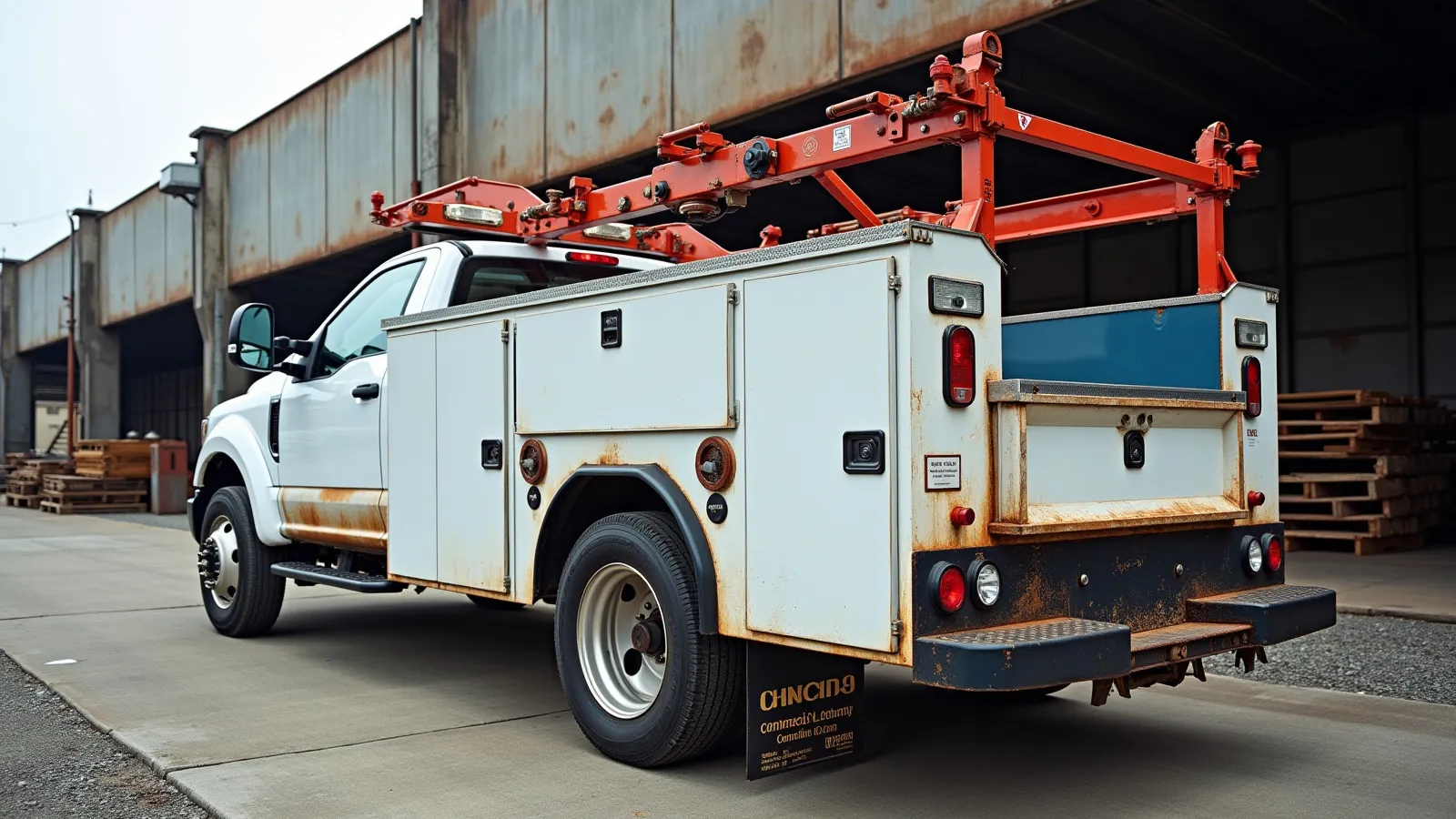
Commercial and Fleet Truck Upfitting
Commercial and fleet truck upfitting that turns a bare chassis into a working vehicle — service bodies, racks, bins, lighting and the wiring that ties them together.
-
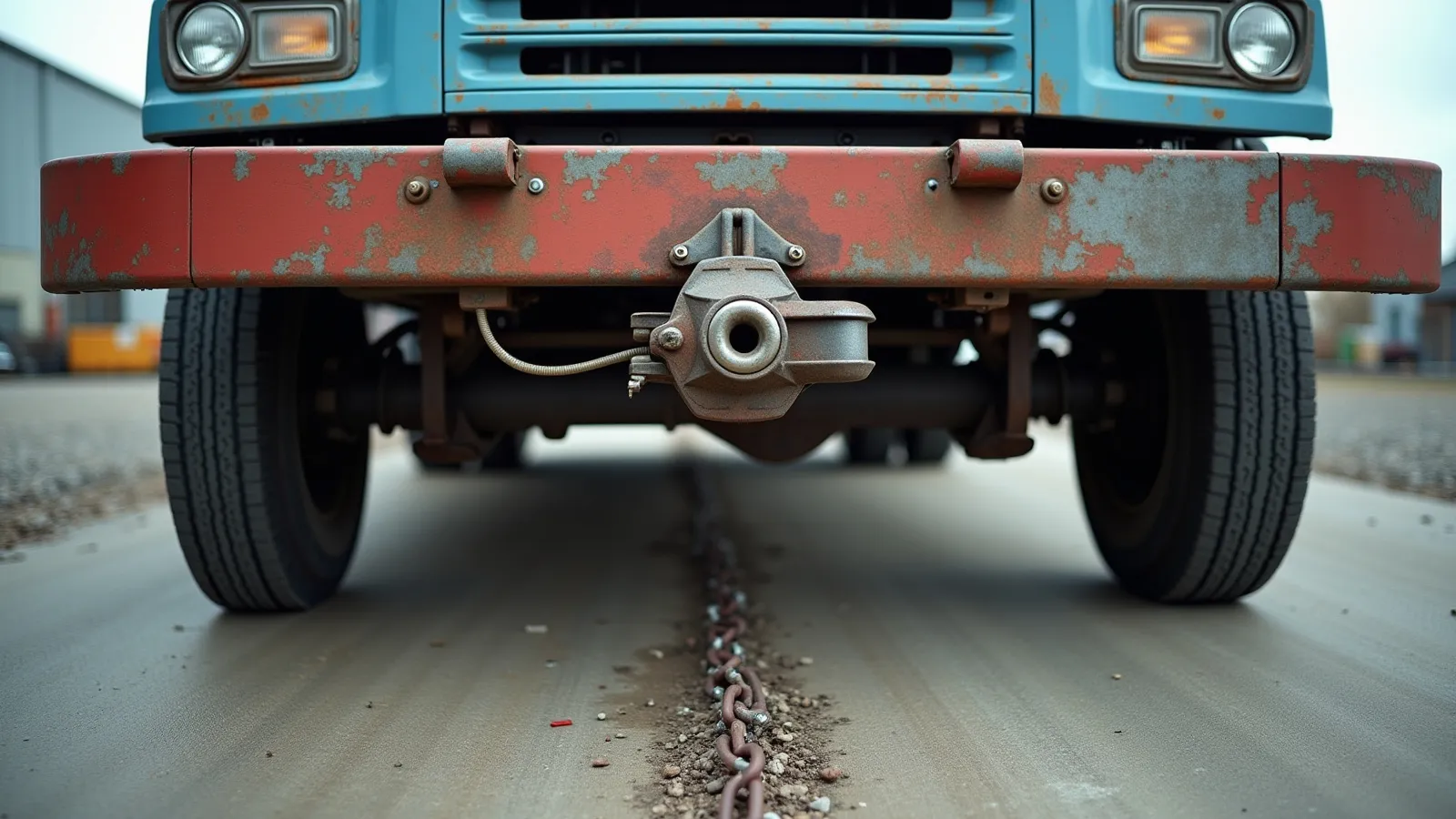
Off-Road Towing Hitches, Tow Bars and Couplers
Receiver hitches, off-road tow bars and trailer couplers sized to the truck and the trailer it pulls, with the ratings checked before a class or a coupler is chosen.
-
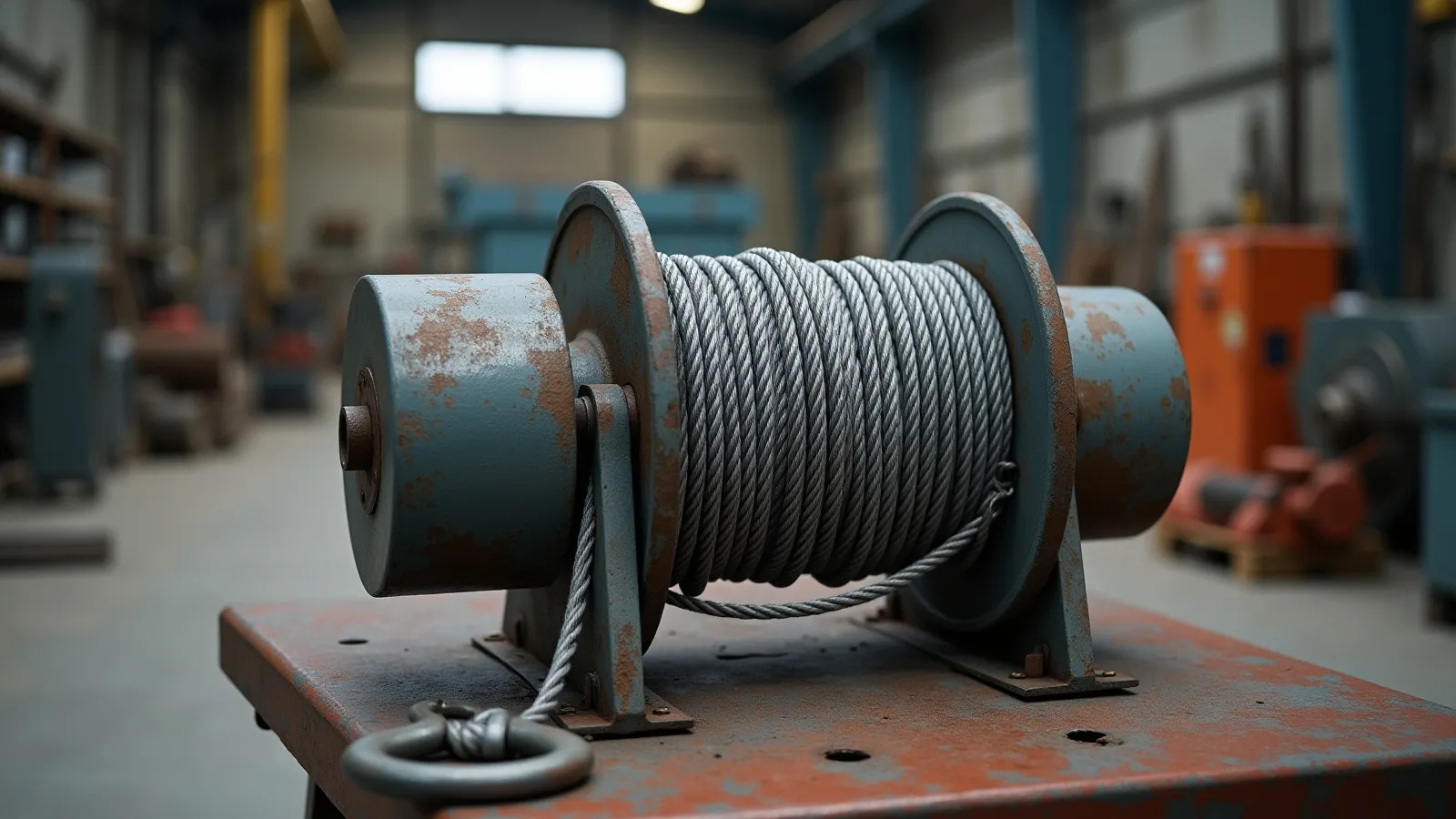
Winches, Control Boxes and Recovery Gear
Winches, control boxes and recovery gear fitted and wired to pull a stuck truck out safely, matched to the truck's weight and the pull it will actually make.


Commercial and fleet upfitting
Turning a chassis into a working truck.
-
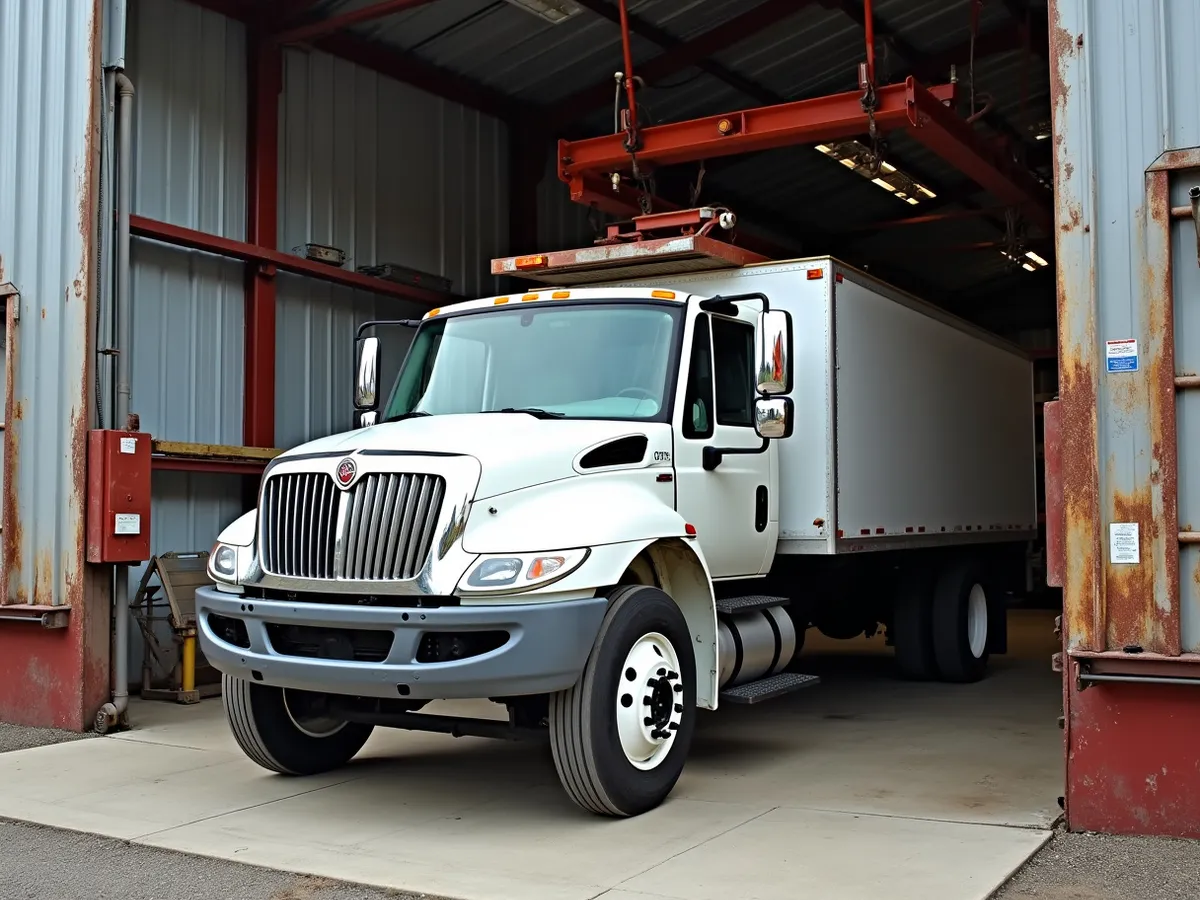
Commercial Truck Upfitting for Trades and Services
Commercial truck upfitting for plumbers, electricians, contractors and service crews — the body, the rack, the lighting and the wiring, planned around the trade before a single part is ordered.
-
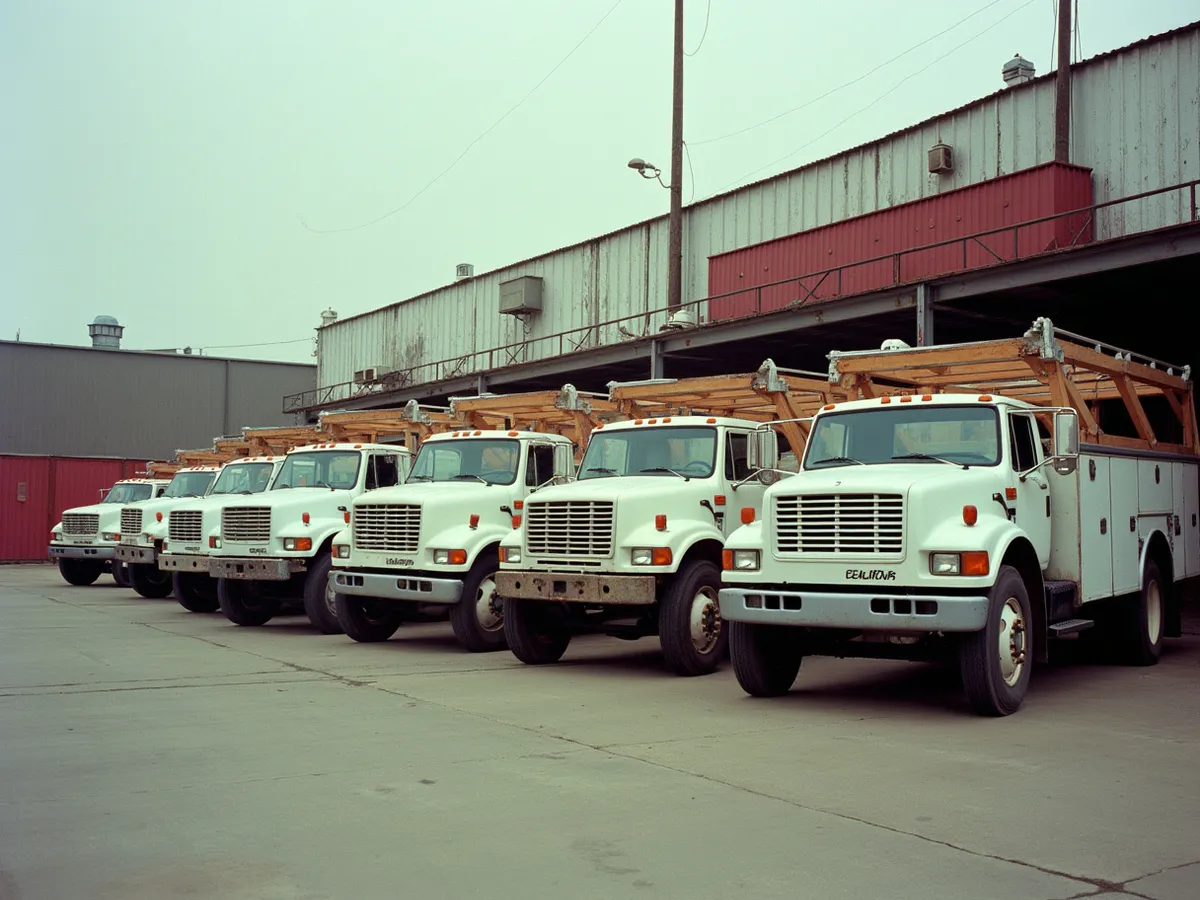
Fleet Upfitting Programs for Multi-Truck Operations
Fleet upfitting programs that lock one layout and reproduce it across every unit, so drivers moving between trucks find the same gear in the same places.
-
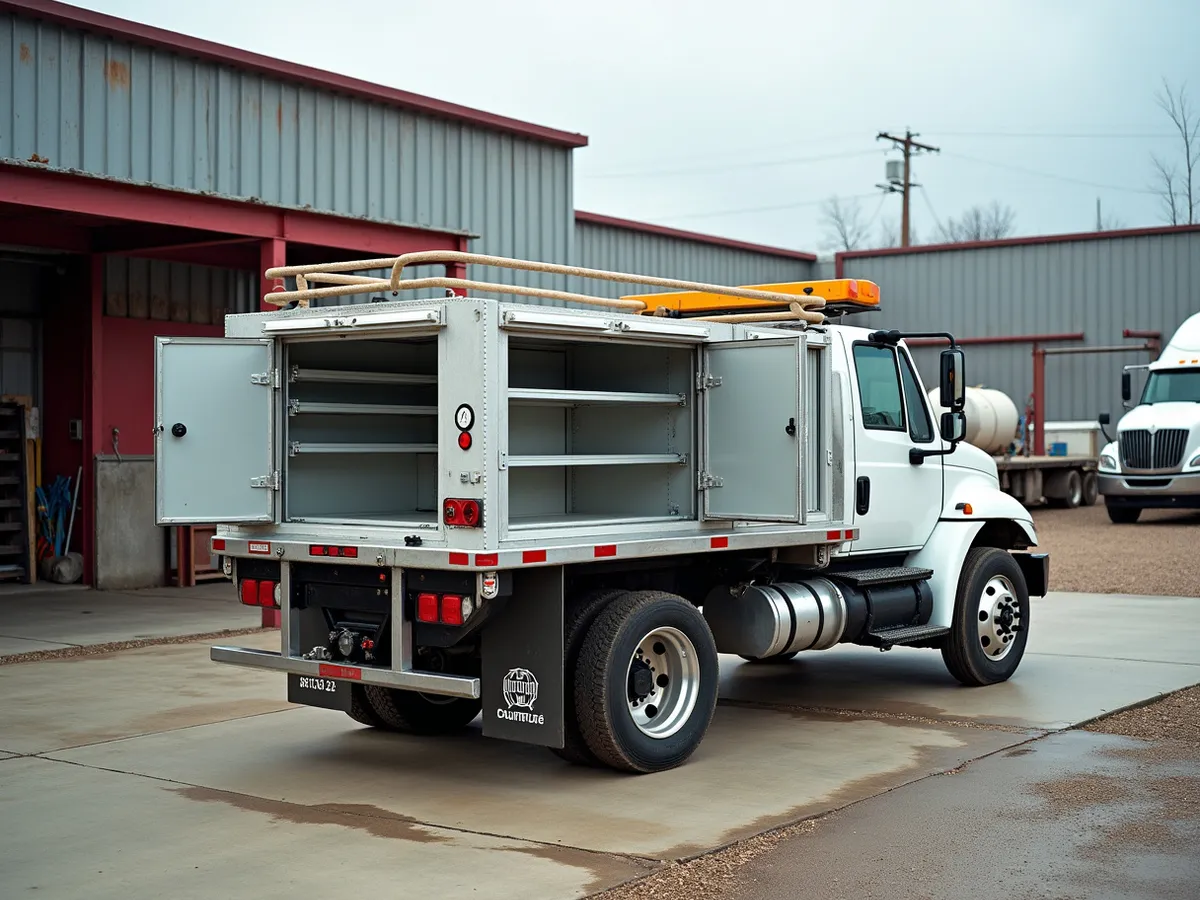
Work Truck and Service Body Upfit
Work-truck and service-body upfit that mounts a body, bins, a rack and the wiring to the chassis, planned around how a crew loads and unloads every day.


How-to and cost guides
Plain answers before you commit to a job.
-
How to Mount a Gooseneck Hitch
Mounting a gooseneck hitch means cutting an opening in the bed floor over the rear axle, fitting reinforcement below the bed to the frame rails, and setting a ball and its mechanism so the trailer pivots over the strongest part of the truck.
-
Tow Ratings and Capacities Explained
A tow rating is a set of limits that all apply at once, and the one you can actually use is the lowest of them.
-
Winch Recovery Basics
A winch recovery is a controlled pull with a strong line and a rated anchor, done slowly enough that nothing breaks and nobody stands in the path.
From the bay


Questions from the shop
Which hitch class do I actually need?
The class follows the truck and the trailer together. We start from the truck's gross vehicle weight rating and the trailer's loaded tongue weight, then pick the class and the mount that carry both. Two trucks with the same name can land on different classes, so the numbers get checked before a hitch is ordered.
Is a gooseneck ball rating the tow limit?
No. A ball may carry a rating in the tens of thousands of pounds while the truck's payload, rear-axle rating and gross combined weight set the real ceiling. We check the ball, the truck and the trailer together and quote to the lowest of the three, because that is the number that keeps you safe.
What is the difference between gooseneck and fifth-wheel?
Both put the pivot over the rear axle, but a gooseneck uses a single ball that stows flat while a fifth-wheel uses a larger plate for heavier trailers. A gooseneck keeps a work bed usable between jobs, while a fifth-wheel holds a steadier line under the heaviest loads.
Do I need a weight-distributing hitch?
It depends on how the trailer loads the truck. When a trailer squats the rear and lifts weight off the front axle, a weight-distributing setup puts that weight back and settles the ride. Tell us the trailer weight and we will say whether it belongs in the quote.
Will you wire the trailer and the brakes too?
Yes. Wiring is part of the job. That includes the harness, the plug and, where the trailer needs it, a proportional brake controller wired to a fused source. We load-test the circuit so the lights and the brakes work under real vibration rather than on a bench.
How long does a hitch install take?
A receiver hitch often fits within a single visit. A gooseneck or fifth-wheel install takes longer because the bed and the frame have to be measured and reinforced first. The honest answer is that the time varies with the truck, and we tell you roughly how long before you commit.
Can you fit a hitch on a lifted truck?
Yes, and a lift is common here. A lift can change a mount point, a clearance or the angle a trailer sits at, so tell us what has been changed. A lifted truck may need a drop or rise on the ball mount to keep the trailer level behind it.
What does a receiver hitch usually cost installed?
A class III receiver runs from about $250 to $650 installed, and a class IV or V from about $420 to $1,150. The figure varies with the truck, the receiver size and whether the frame needs reinforcement, so treat every number as a range.
Do you remove a hitch when a lease ends?
A bolt-on hitch can usually be removed and the truck returned to stock, though a gooseneck leaves mounting holes that need to be sealed. Tell us at the start that the truck is leased and we will plan the install so the truck can go back as clean as it reasonably can.
Why Valley trucks are fitted here
- Ratings confirmed against your truck and trailer before anything is quoted.
- A written estimate that separates the hardware, the mount and the labour.
- Winch, recovery and upfit hardware fitted and wired, never just sold.
- Prices shown as ranges that vary, never as a made-up fixed number.
Request a fitment check
Tell us the truck and what you need fitted.