Towing, recovery and upfit services
RGV Offroad covers the hardware that lets a truck work: the hitches that pull, the winches that recover, and the upfit that turns a bare chassis into a service vehicle.

What we fit and build
Six lines cover the work most drivers and fleets ask about, and each one is confirmed against the truck and the load before a quote is written.
- Receiver hitches by class, with the wiring and brake control to match
- Gooseneck and fifth-wheel ball mounts with under-bed reinforcement
- Winches, control boxes and the sealed wiring that feeds them
- Recovery straps, shackles, dampers and the hardware to store them
- Commercial upfit: service bodies, racks, bins and lighting
- Fleet wiring, brake controls and trailer-plug conversions
How we approach a fitment
We read the ratings before we touch a wrench. A hitch is chosen for the truck's gross weight and the trailer's tongue load, not for its receiver size alone. A gooseneck mount is planned around the bed and the frame points. A winch is matched to the truck's weight and the pull it will make, and the upfit starts with how the crew loads and unloads every day.
The work after the install
Hardware is not finished the moment it is bolted on. Mount bolts settle, trailer wiring needs a load test and a winch line wants a re-spool after its first real pull. We re-check the torque and the connections after the truck has done some work and show you the points to watch between visits, so a hitch stays tight and a winch stays ready.
Safety before specification
We put the rating and the mount ahead of the finish every time, because a hitch that looks right but is under-rated for the load is a hazard rather than an accessory. When a trailer asks for more than a half-ton truck can safely pull, we say so and talk about the truck, the load or the trailer as the fix, instead of selling hardware that cannot do the job.
Getting an estimate
Send the truck's details, the load it has to move and what you want fitted, and we put together a written estimate. The hardware, the mount and the labour are listed as separate lines, and anything that may change the figure, such as frame drilling or an existing wiring harness, is flagged as a possible extra before the work starts.
The areas we cover
Four areas of towing and upfit work.
-
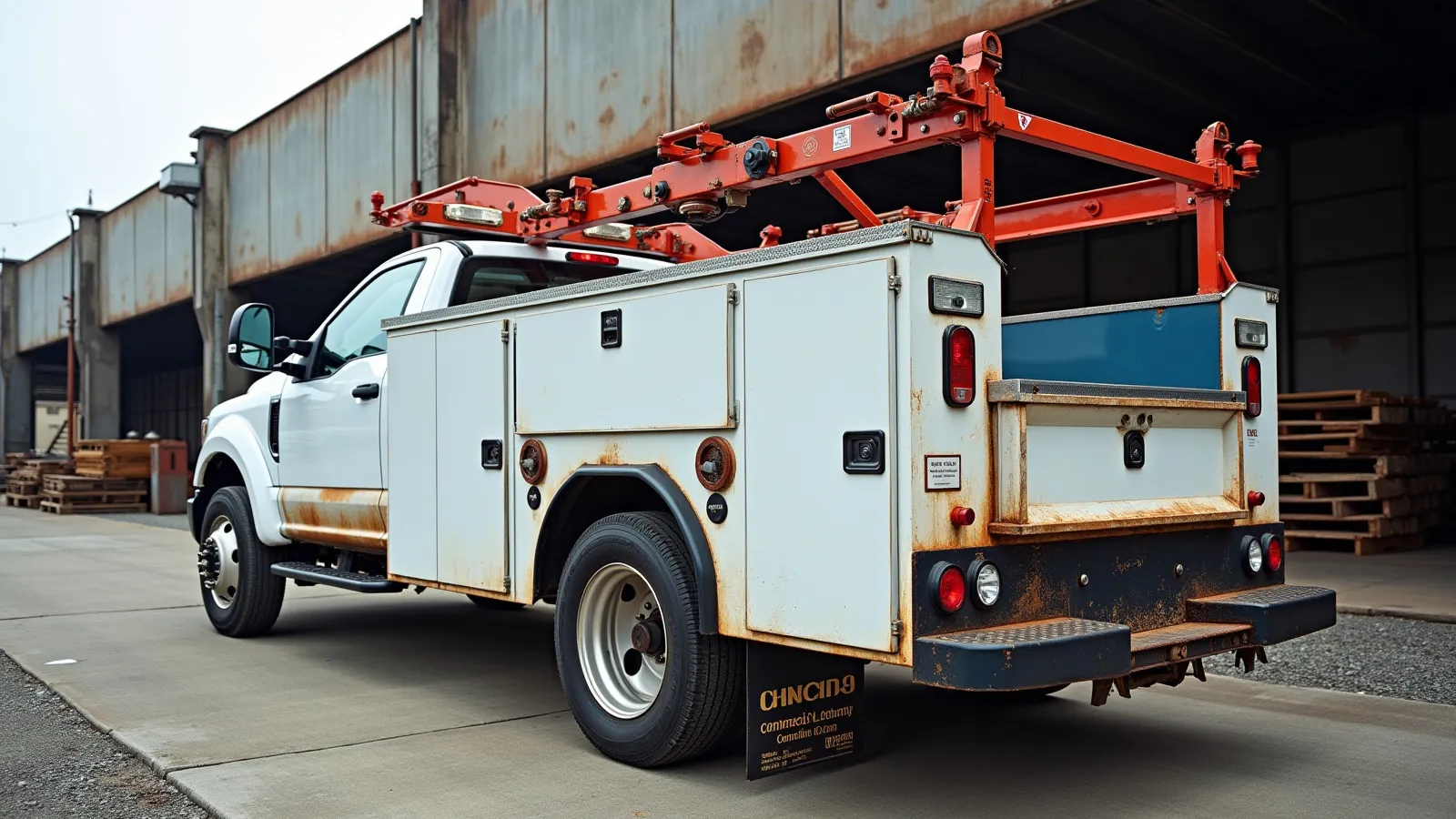
Commercial and Fleet Truck Upfitting
Commercial and fleet truck upfitting that turns a bare chassis into a working vehicle — service bodies, racks, bins, lighting and the wiring that ties them together.
-
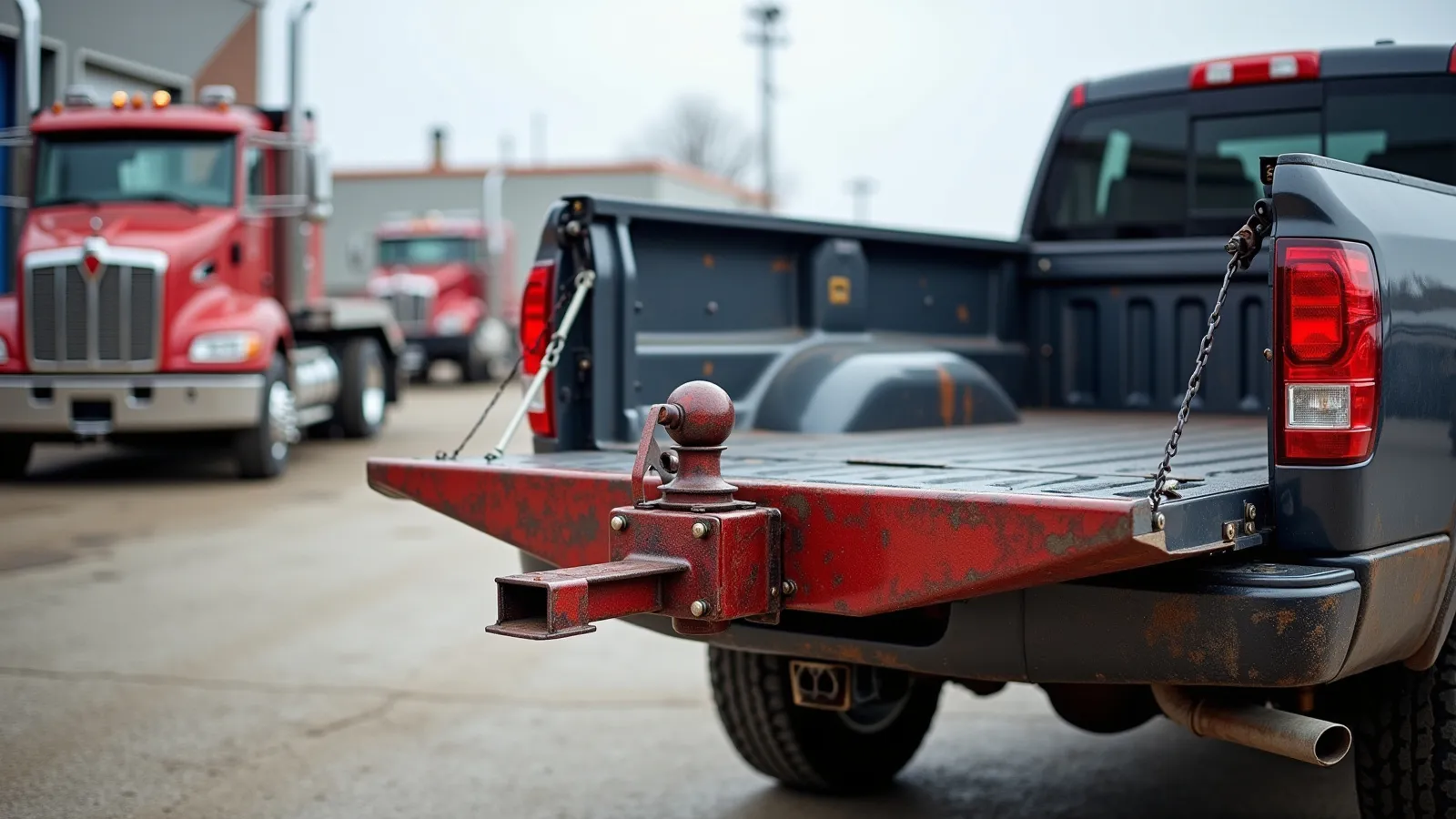
Gooseneck, Fifth-Wheel and Receiver Hitches
Gooseneck, fifth-wheel and receiver hitches for trucks that pull — chosen by class and application, not by the shape of the receiver alone, because the truck and the trailer set the real limit together.
-
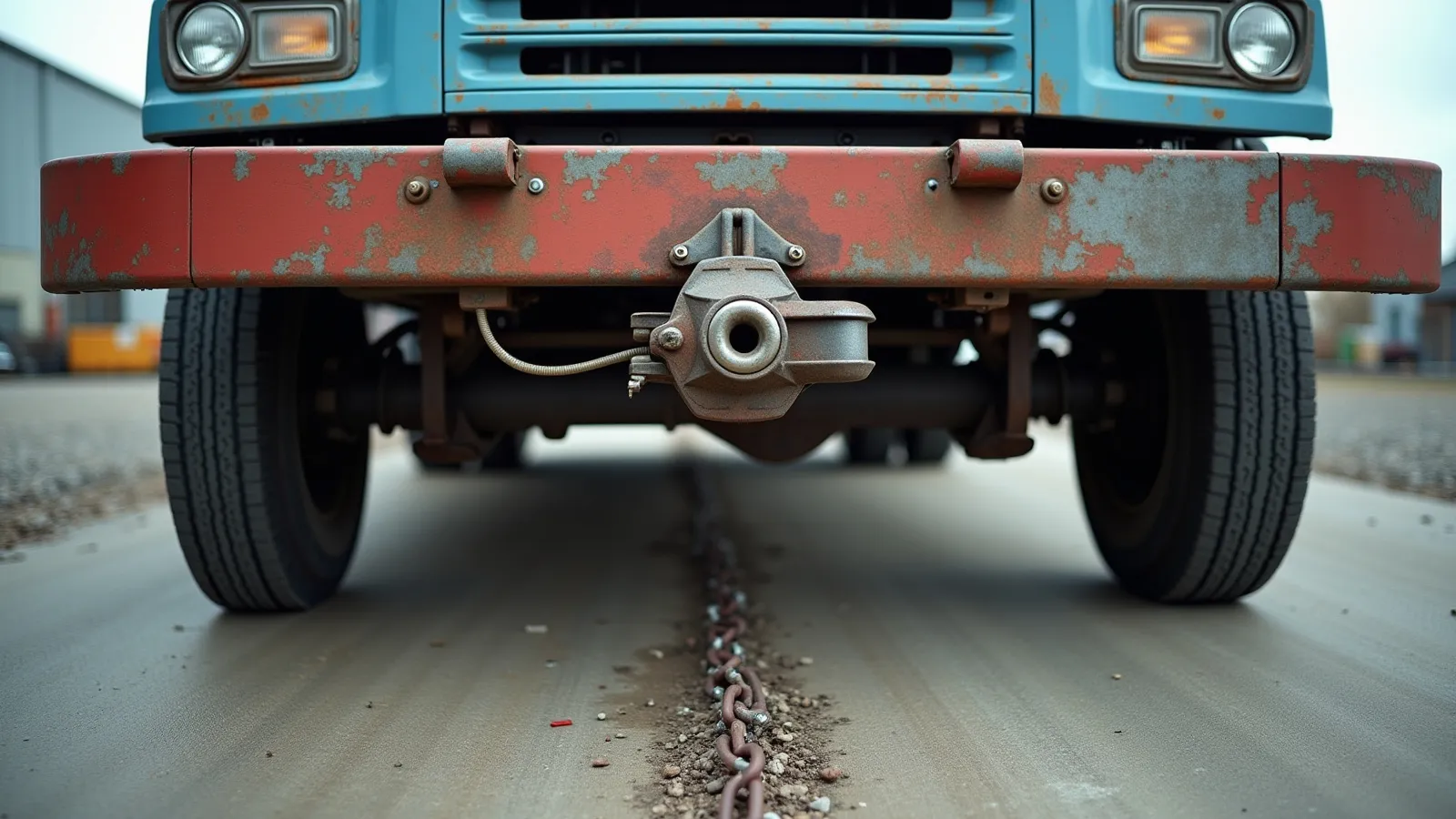
Off-Road Towing Hitches, Tow Bars and Couplers
Receiver hitches, off-road tow bars and trailer couplers sized to the truck and the trailer it pulls, with the ratings checked before a class or a coupler is chosen.
-
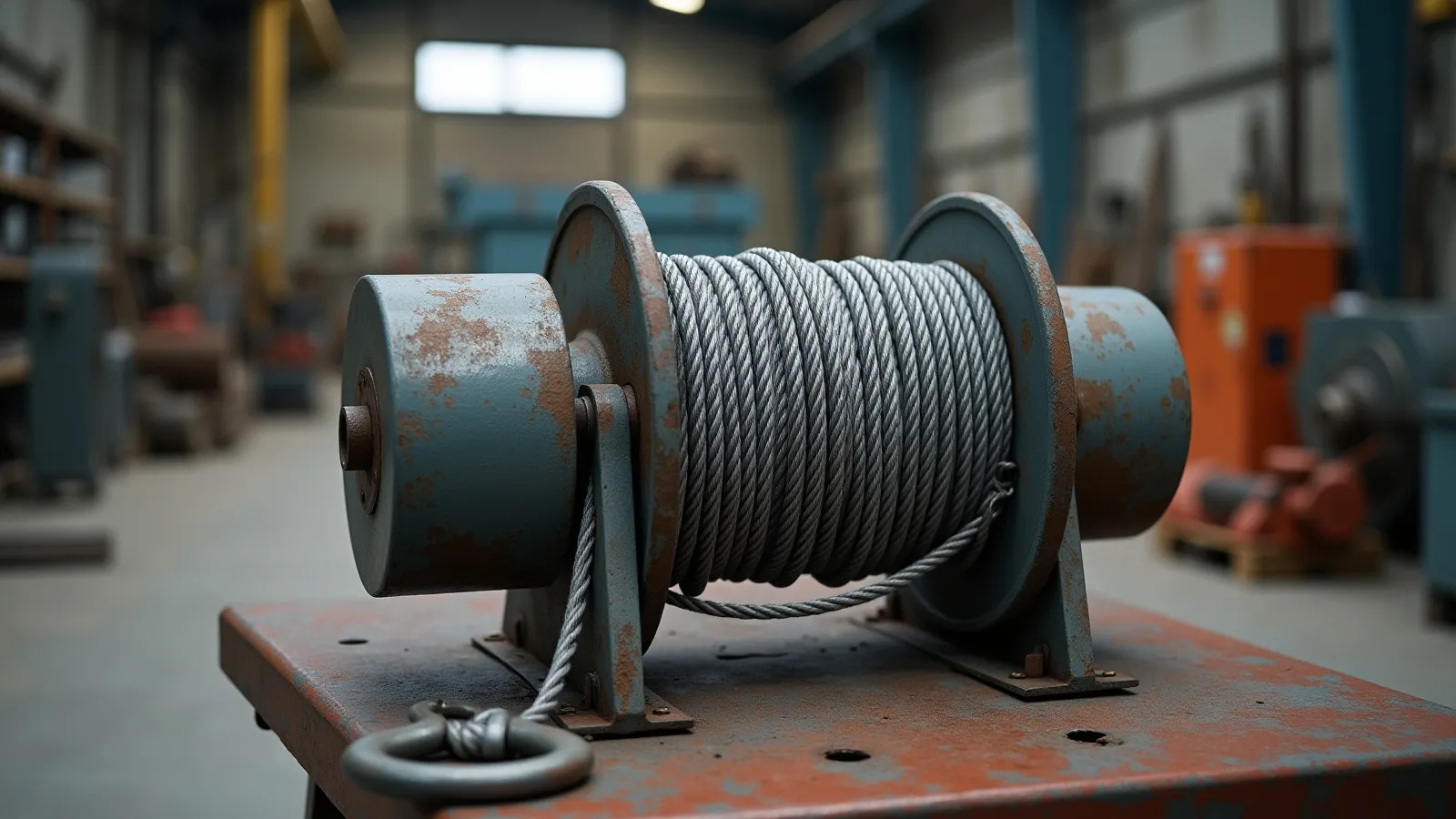
Winches, Control Boxes and Recovery Gear
Winches, control boxes and recovery gear fitted and wired to pull a stuck truck out safely, matched to the truck's weight and the pull it will actually make.


Send us your request
Tell us the truck and what you need fitted.