Commercial and Fleet Truck Upfitting
Commercial and fleet truck upfitting that turns a bare chassis into a working vehicle — service bodies, racks, bins, lighting and the wiring that ties them together.

Commercial and Fleet Truck Upfitting at a glance
- Enclosed service body, fitted and wired
- $4,500–$14,000
- Ladder rack or pipe carrier
- $700–$2,600
- Work and beacon lighting package
- $450–$2,200
- Inverter, compressor and aux wiring
- $600–$3,200
What commercial upfit covers
Upfitting is the work that turns a stock truck into a tool for a specific trade. It is not one part but a set of them, planned around how a crew actually works and then built so the pieces support each other rather than fight for the same space. A service body with nowhere to mount the ladder, or a rack that fights the toolbox, is an upfit that was never planned as a whole.
- Service bodies, enclosed and open, with bins and drawers
- Ladder racks, pipe carriers and material handling
- Lighting: work lights, beacons and strobes
- Power: inverters, compressors and auxiliary wiring
- Bed slides, cranes and lift gates

Planning an upfit around the chassis
An upfit has to respect what the chassis can carry, and the plan follows the truck rather than a catalog. A half-ton can take a light service body but runs out of payload fast once tools are added, while a one-ton or a chassis cab has the headroom for a heavier body and a crane. We weigh the body, the tools and the crew against the truck's payload before the build is sketched, because an upfit that overloads the truck is a liability on four wheels.
- Ford F-250, F-350 and Transit for service and cargo work
- Chevrolet Silverado 2500 and 3500 chassis cabs
- GMC Sierra 2500 and 3500 chassis cabs
- RAM 2500, 3500 and ProMaster for trades and delivery
- Toyota Tundra for lighter commercial builds
- Nissan Frontier and Honda Ridgeline for light service use
What changes a commercial build
Two contractors with the same truck can need very different upfits, because the plan follows the trade rather than the badge. These are the variables that shape a build before a body is ordered.
- The trade and what the crew carries every day
- The truck's payload and how much the body weighs empty
- Whether the truck tows, and how often
- Fleet size and how many units must match
- Whether branding and decals are part of the build
How a commercial upfit runs
A commercial build is a sequence, and each stage depends on the one before it being right, so nothing is mounted until the plan and the truck agree.
-
Learn the trade and how the crew loads and unloads.
-
Weigh the planned body and gear against the truck's payload.
-
Sketch the layout with the bins, rack and lighting placed.
-
Order the body and the hardware to match the plan.
-
Fit the body to the chassis and square it to the frame.
-
Wire the lighting, the inverter and any compressor.
-
Check the build with the crew and adjust before delivery.
What commercial upfitting costs
A commercial upfit price stacks the body, the rack, the lighting, the wiring and the labour, and it moves with the chassis and the trade rather than with the sticker on the box. The figure varies with the payload class, the option set and the fleet size. Count on the total moving once the build is laid out.
- Enclosed service body, fitted and wired
- $4,500–$14,000
- Ladder rack or pipe carrier
- $700–$2,600
- Work and beacon lighting package
- $450–$2,200
- Inverter, compressor and aux wiring
- $600–$3,200
- Bed slide or lift gate
- $900–$4,000
Payload is the number that decides the plan
The most common upfit mistake is choosing a body for the way it looks rather than for what the truck can carry. A service body, the tools in its bins, an inverter and a loaded rack all count against payload, and a crew that ignores that number ends up over the truck's rating before the driver is even seated. We run the arithmetic first, so the build fits the chassis rather than straining it.
Layout is planned around the crew
A good upfit is laid out around the job, not around a showroom. Where does the heaviest tool ride? Which drawer opens most often in a day? Does the ladder come off the side or the back? Answering those questions before the bins are placed is what keeps a build from needing a rework three months after delivery, and it is why we spend time with the crew before we spend money on hardware.
Lighting, power and the wiring that carries it
The electrical side of an upfit is where the shortcuts show. Work lights, beacons, an inverter or a compressor all draw on the truck's system, and each needs its own properly fused feed rather than a daisy chain from the nearest harness. We size the alternator and the wiring to the actual load, because a build that browns out under its own lighting is a build that failed its first week.
Fleet programs scale the same plan
When a business runs more than one unit, the upfit becomes a program rather than a single build. The value of a fleet program is sameness: a driver who moves between trucks should find the same drawers in the same places. We lock the layout once, then reproduce it across every unit, which also makes parts and training simpler for the fleet owner over the life of the trucks.
Confirming the build before ordering
A commercial upfit is expensive enough that the plan is worth confirming before a body is ordered. Send the truck or chassis, the payload and the trade, along with how many units a fleet involves, and we sketch the layout against your real numbers rather than against a generic template that ignores how your crew works.
Parts in this area
Parts priced as ranges and fitted by application.
-
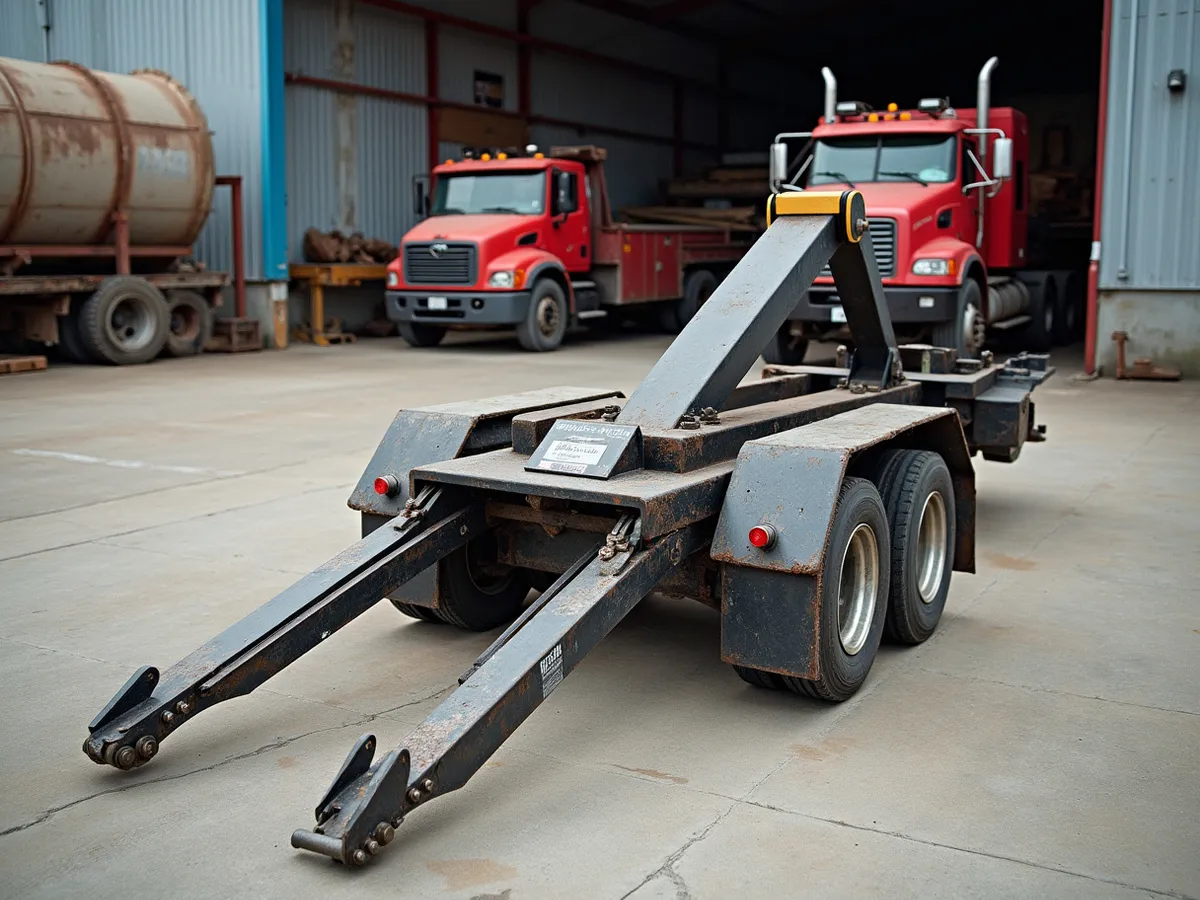
Rambler-Style Tow Bar
A folding tow bar for flat-towing a light 4x4 or car behind a motorhome, chosen by the towed vehicle's weight and the mounting points it can take.
$280–$700 varies by truck, capacity and install
-
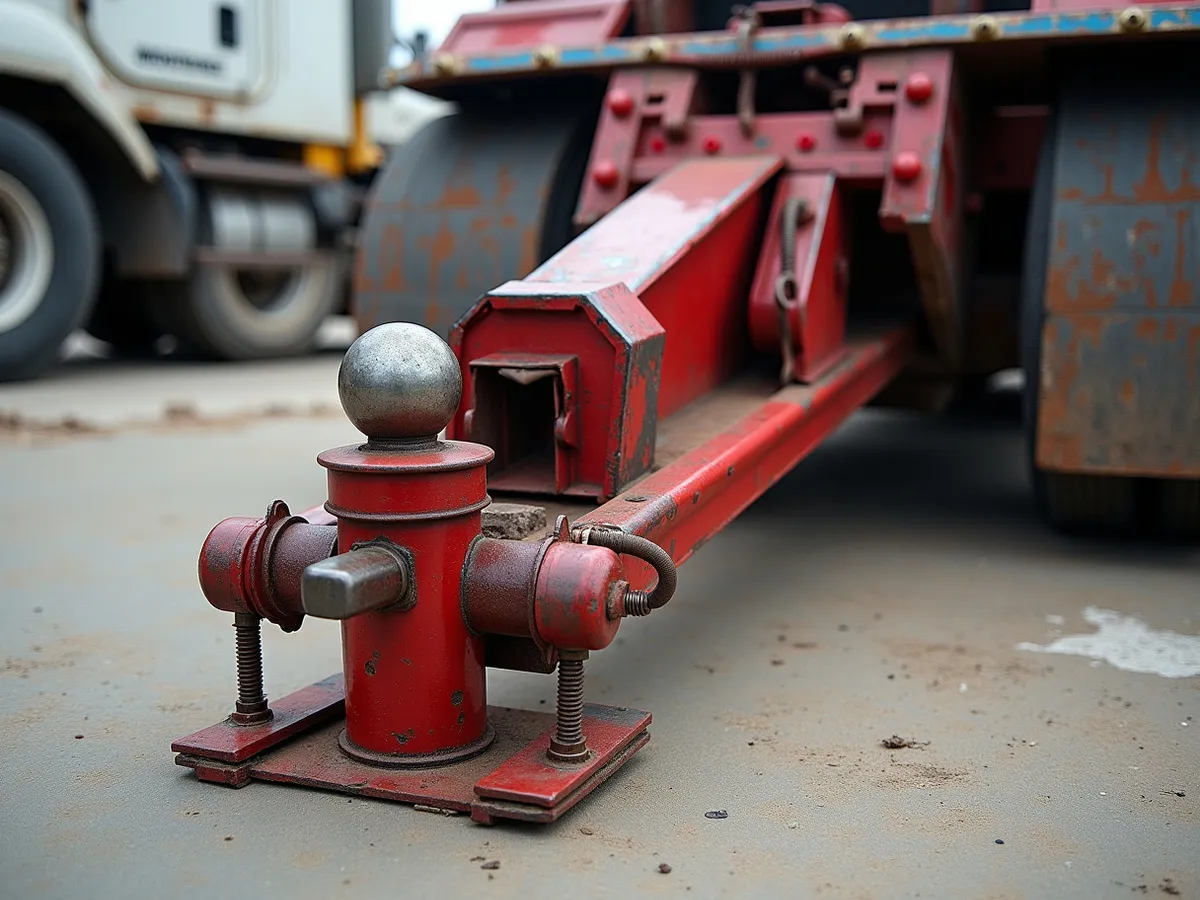
Curt Spyder Gooseneck
An under-bed gooseneck hitch system for heavy trailers, with a ball that stows flat so the bed stays usable when the trailer is unhitched.
$450–$1,300 varies by truck, capacity and install
-
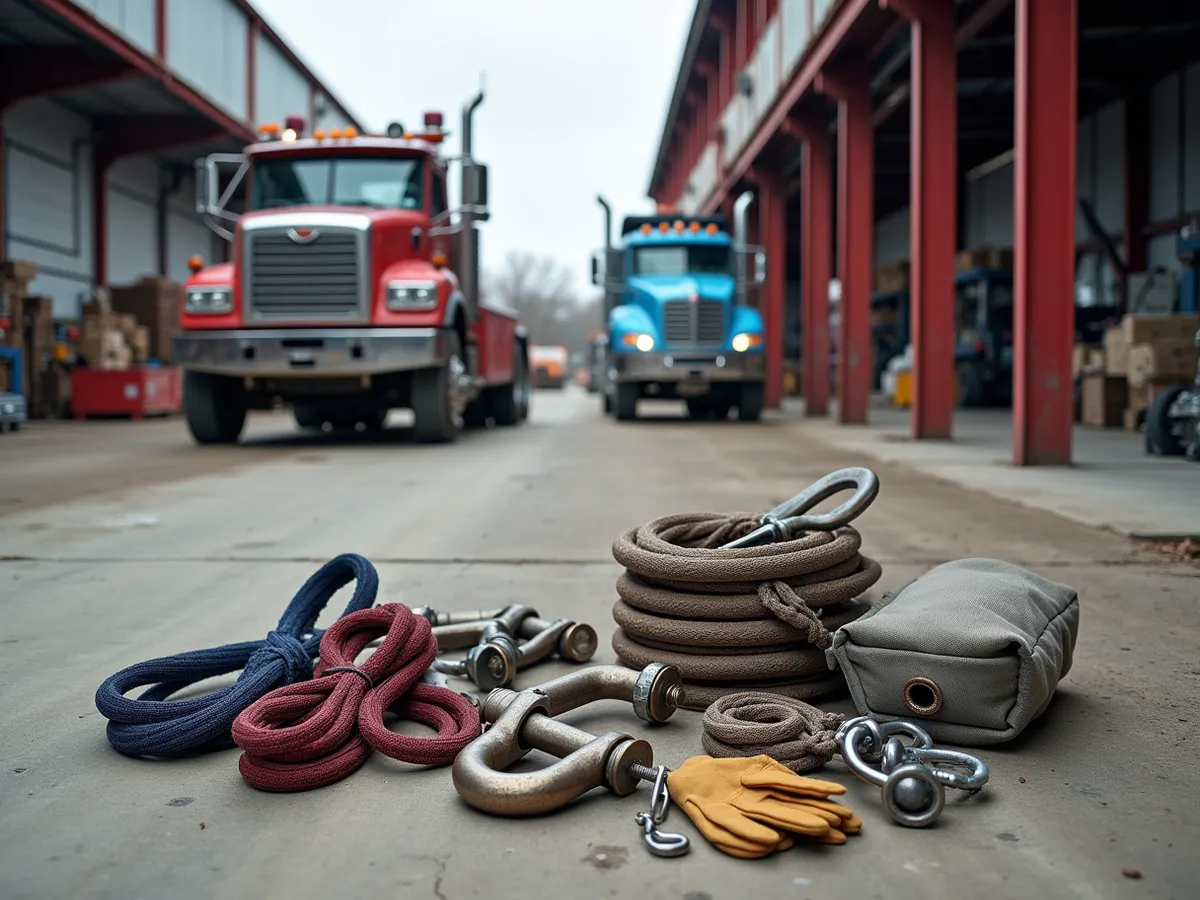
Factor 55 Recovery Gear
Recovery hardware that keeps a winch pull safe — closed-system shackles, straps and rigging chosen by the truck's weight and the recovery it will do.
$90–$260 varies by truck, capacity and install
-
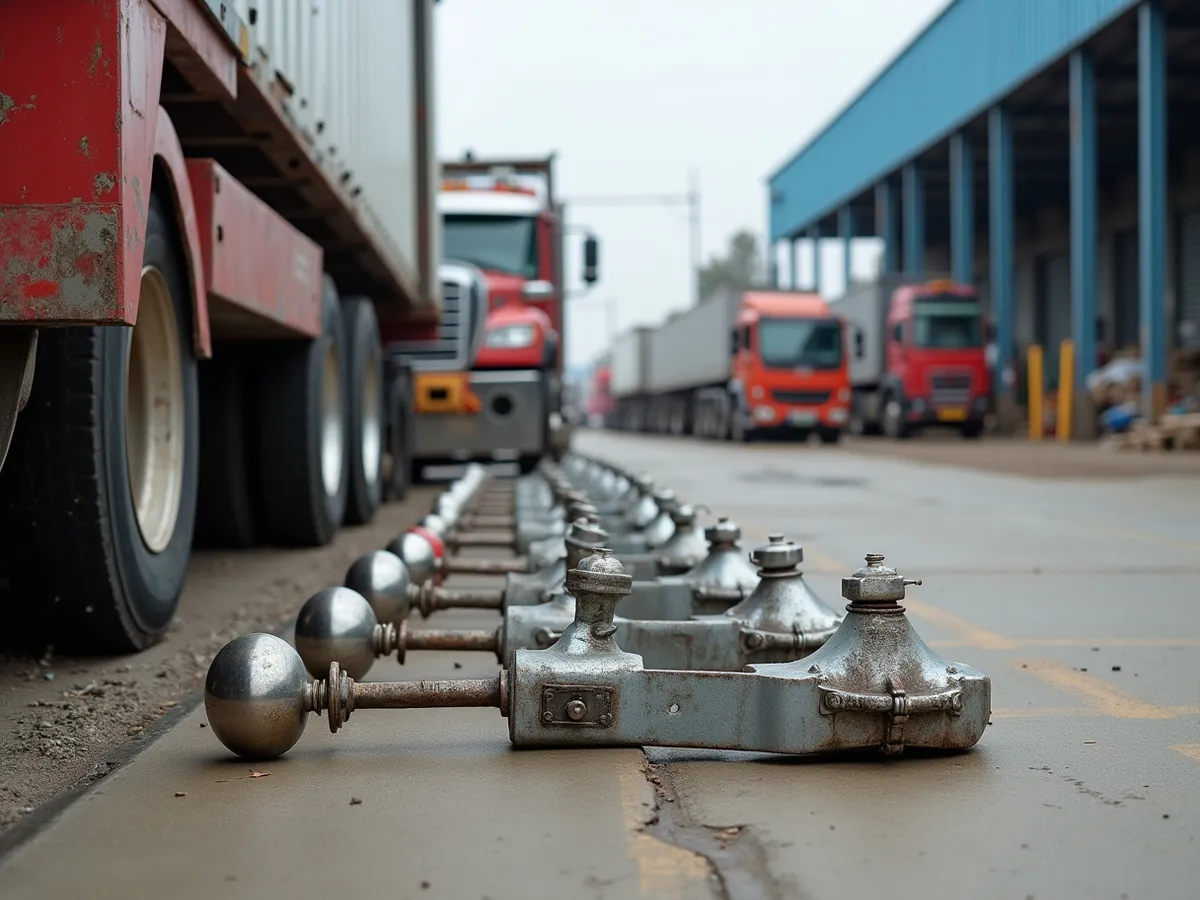
Gooseneck Ball Size
A guide to gooseneck ball sizes and how to match the ball to the trailer's coupler, because the wrong size looks shut but lets go under a bump.
$40–$140 varies by truck, capacity and install
-

Gooseneck Trailer Ball Size
How to read a gooseneck trailer's ball requirement from the trailer side — coupler markings, trailer weight and the ball rating that has to carry the pin load.
$60–$220 varies by truck, capacity and install
-
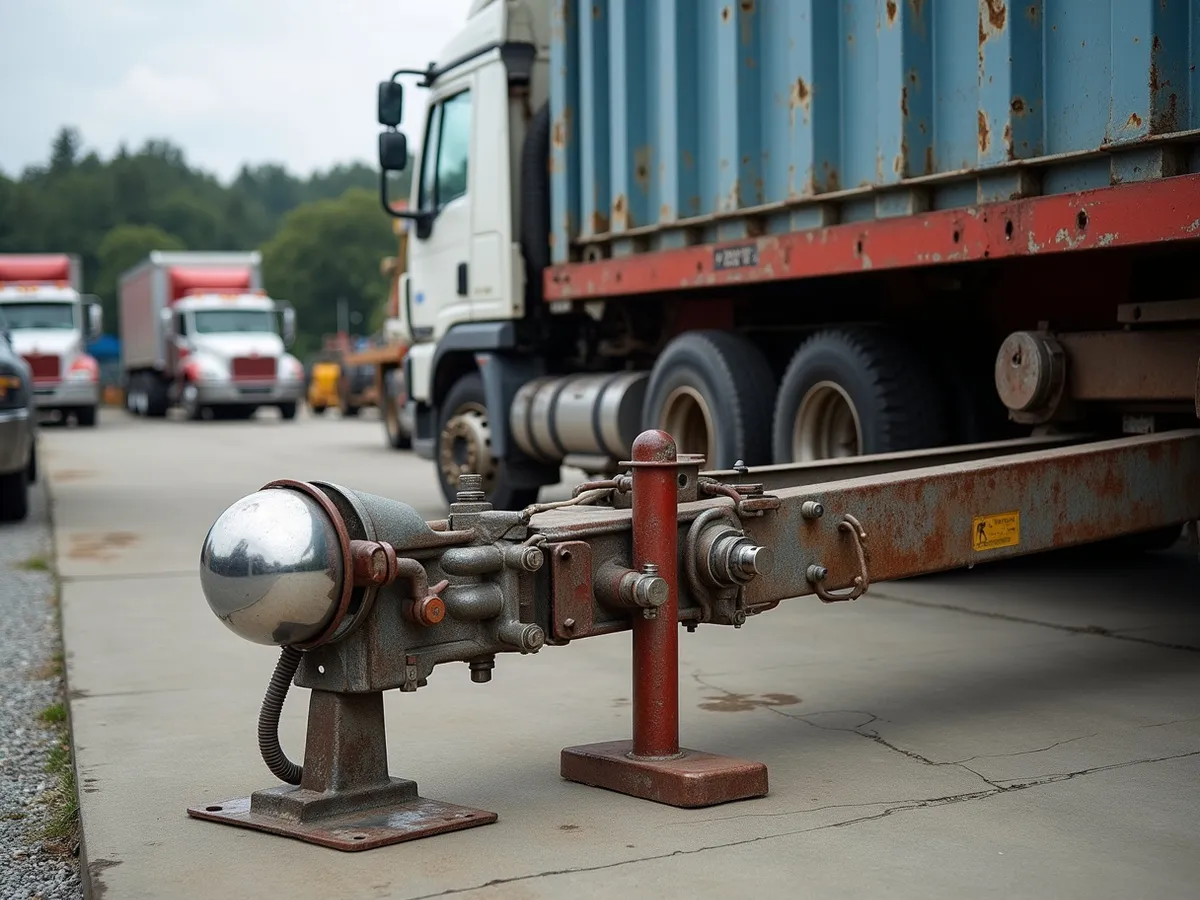
Off-Road Trailer Coupler
A heavy-duty trailer coupler built for rough ground, chosen by the ball size, the trailer's weight and the latch that has to stay shut over rough trails.
$140–$420 varies by truck, capacity and install
-
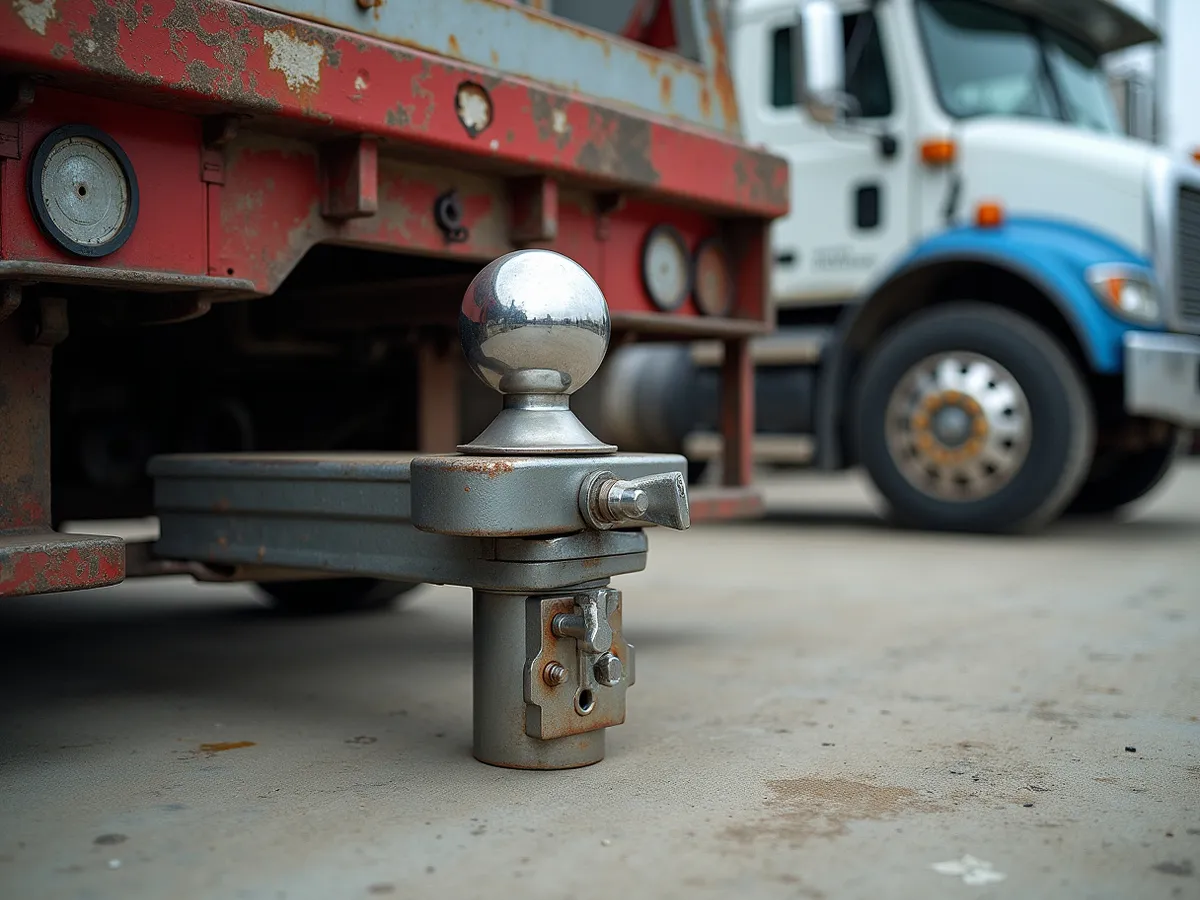
Standard Gooseneck Ball Size
The standard gooseneck ball size explained — what counts as the common size, what it fits, and why a standard ball still has to be checked against the truck's rating.
$40–$140 varies by truck, capacity and install
-
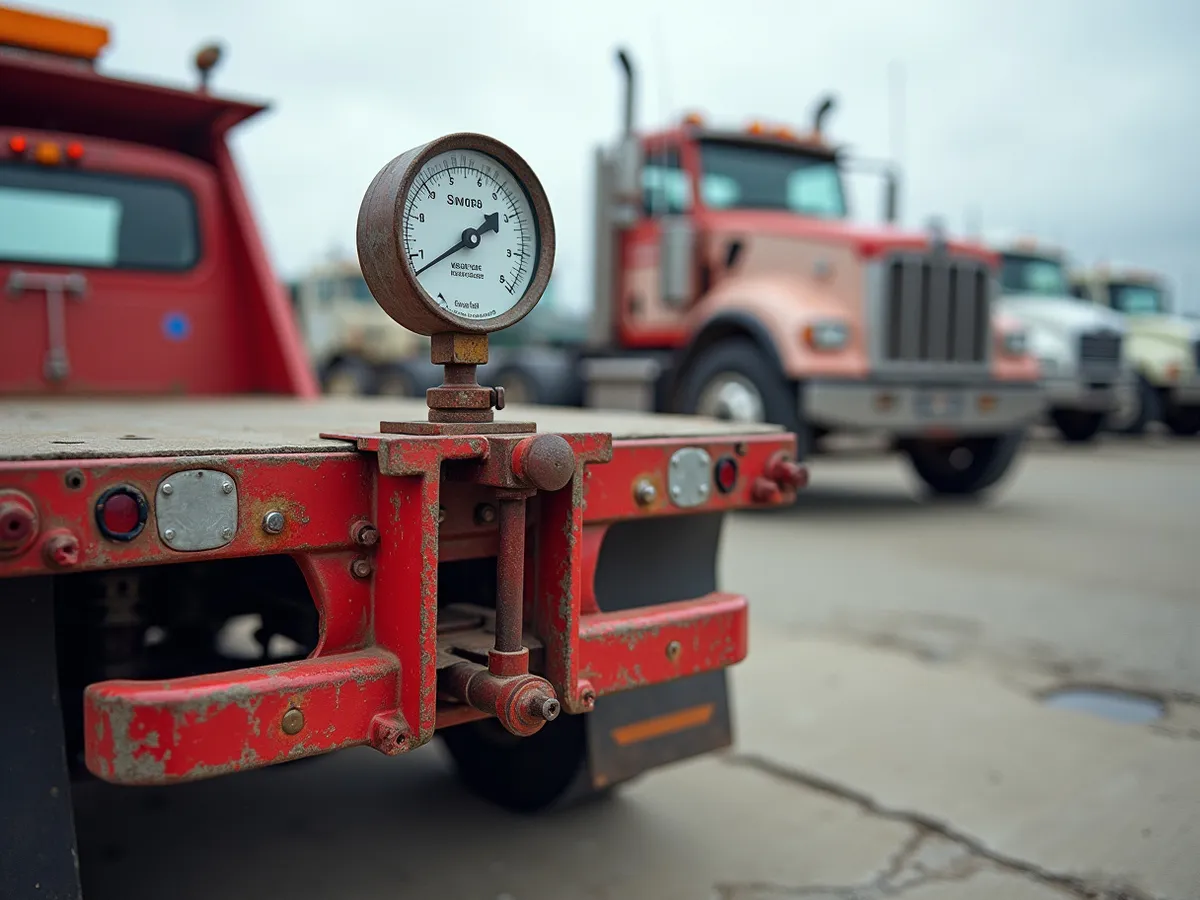
Weigh-Safe Gooseneck Ball
A gooseneck ball with a built-in tongue-weight gauge, so you can see the pin load on the ball before you tow rather than guess at it from a chart.
$280–$620 varies by truck, capacity and install


The other areas
The rest of the towing and upfit work.
-
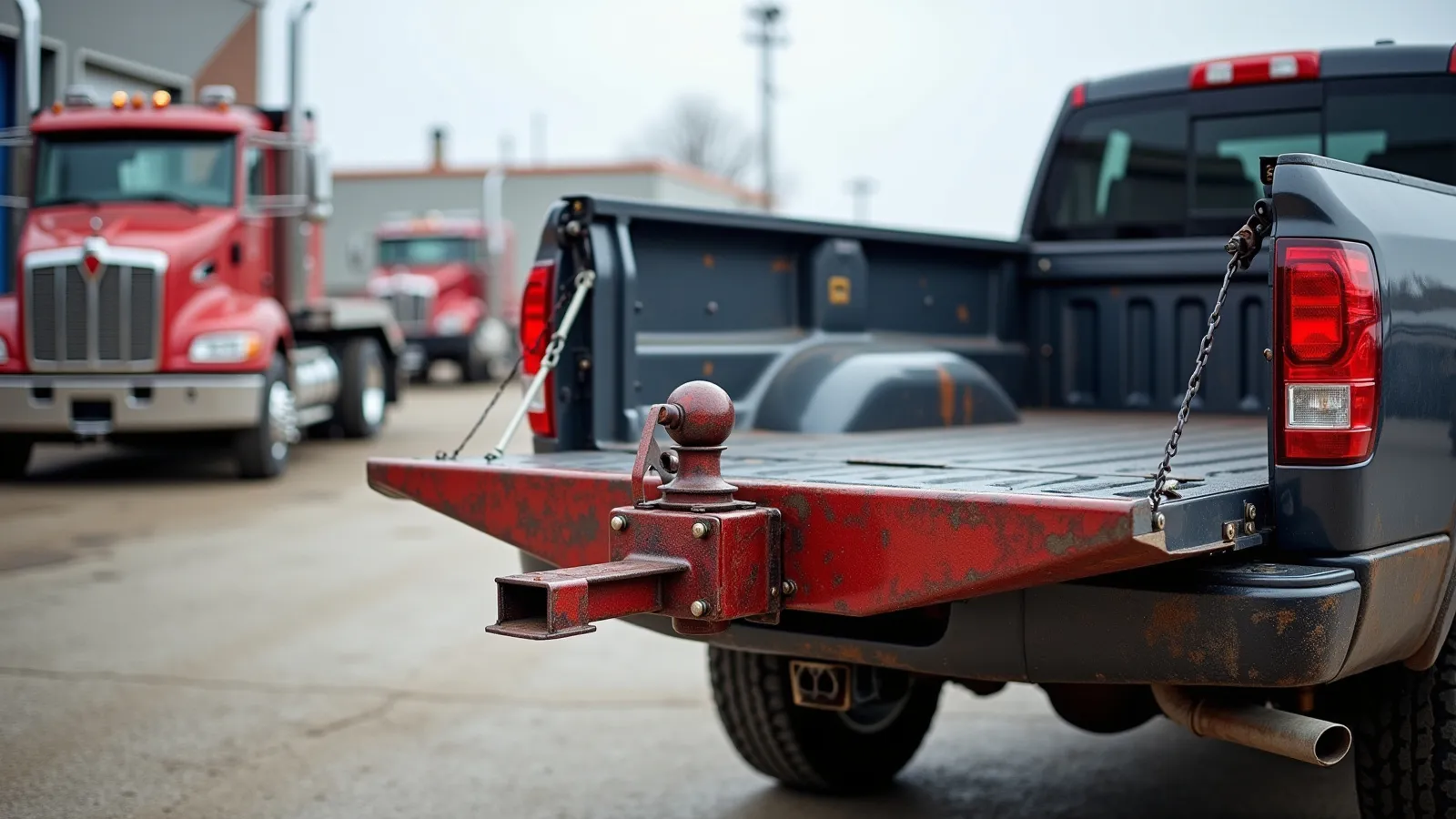
Gooseneck, Fifth-Wheel and Receiver Hitches
Gooseneck, fifth-wheel and receiver hitches for trucks that pull — chosen by class and application, not by the shape of the receiver alone, because the truck and the trailer set the real limit together.
-
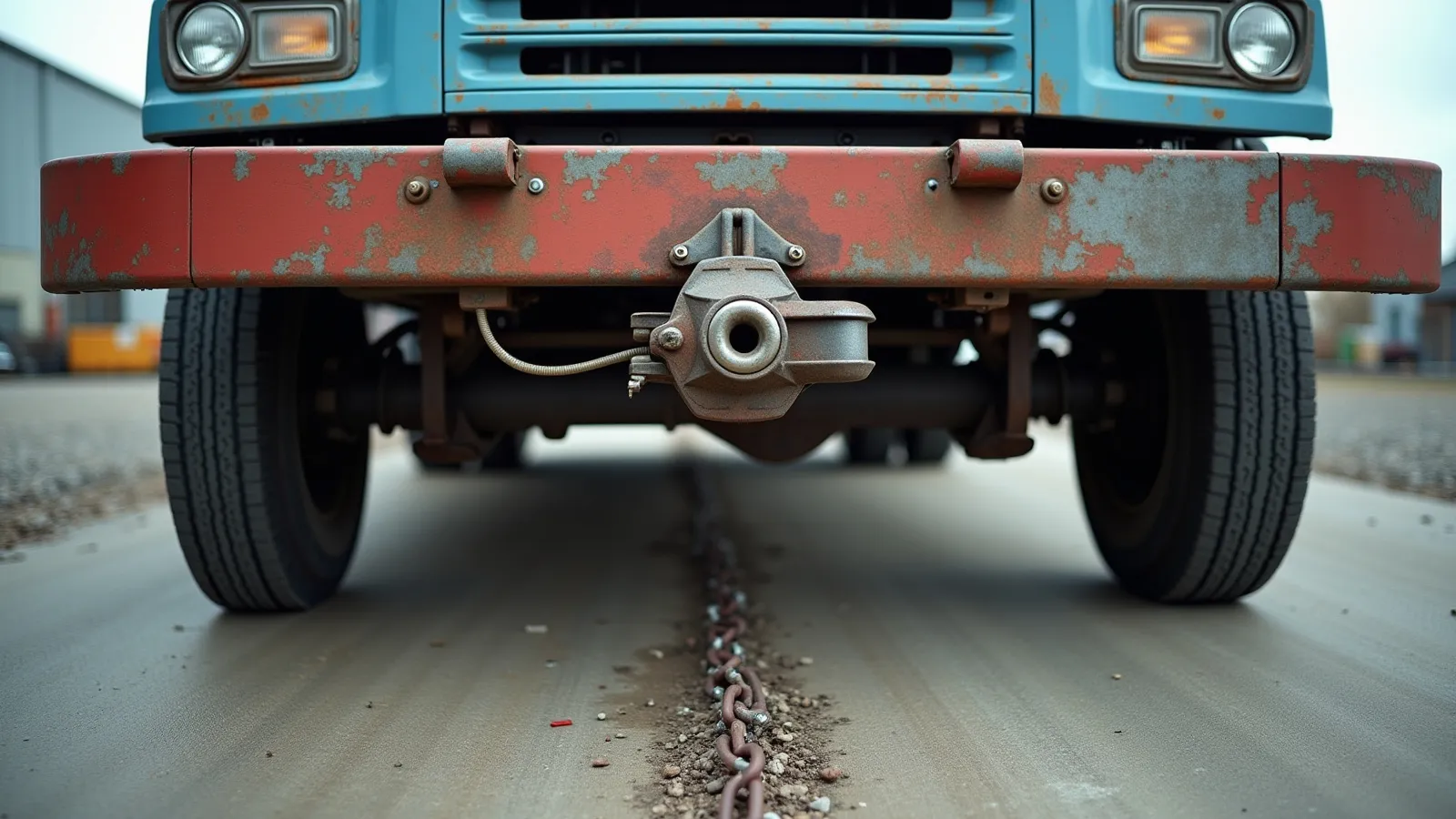
Off-Road Towing Hitches, Tow Bars and Couplers
Receiver hitches, off-road tow bars and trailer couplers sized to the truck and the trailer it pulls, with the ratings checked before a class or a coupler is chosen.
-
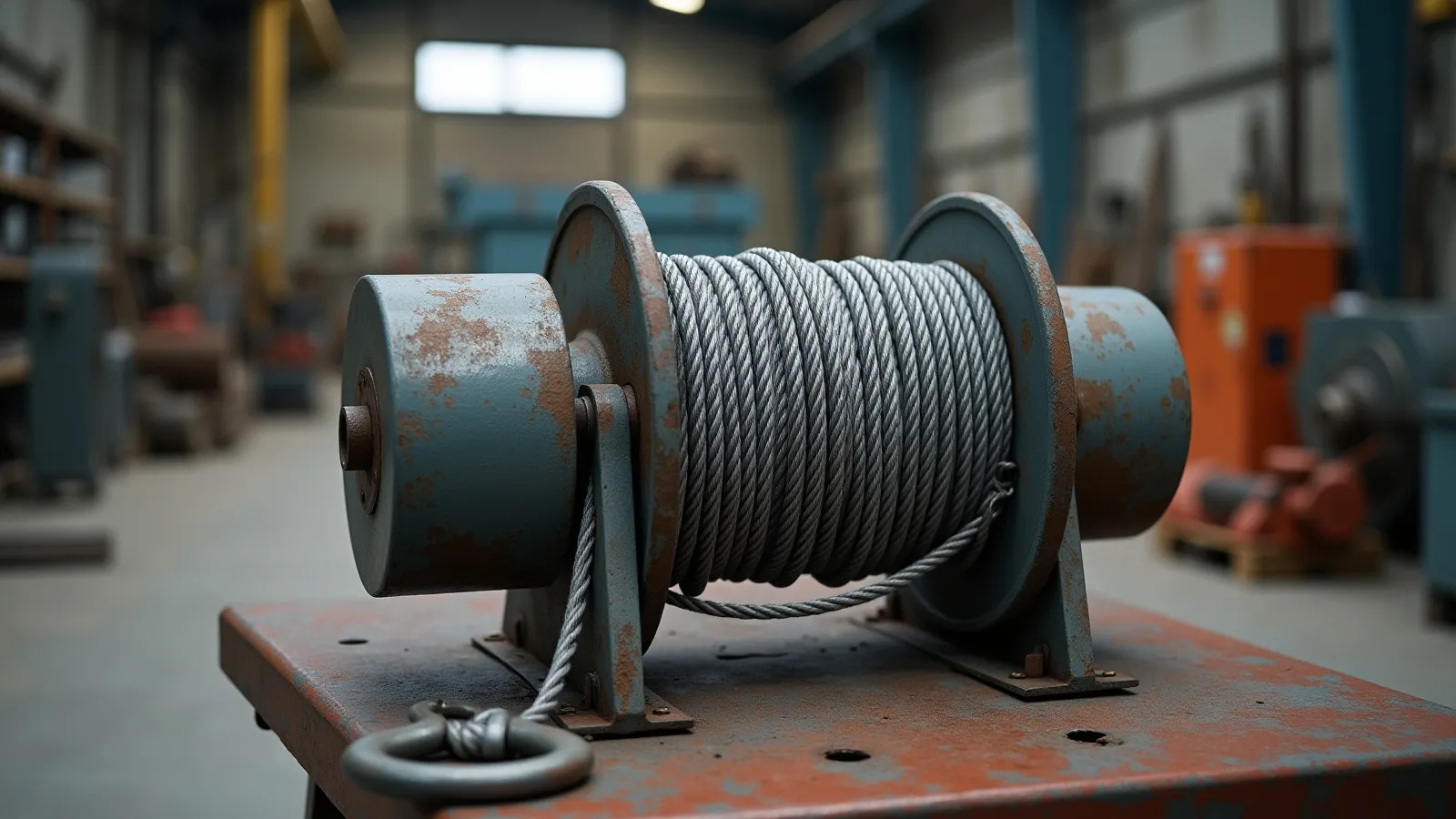
Winches, Control Boxes and Recovery Gear
Winches, control boxes and recovery gear fitted and wired to pull a stuck truck out safely, matched to the truck's weight and the pull it will actually make.


Commercial and fleet upfitting
Turning a chassis into a working truck.
-
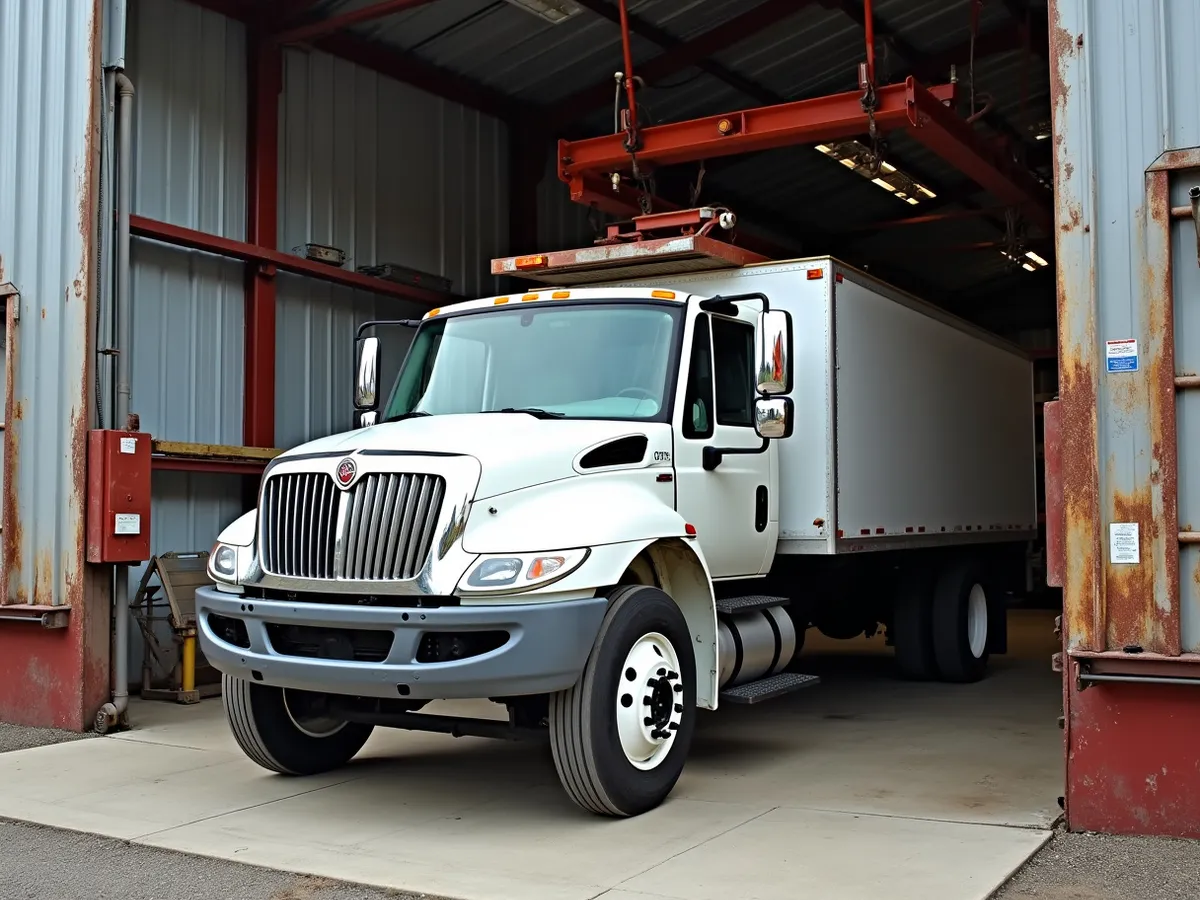
Commercial Truck Upfitting for Trades and Services
Commercial truck upfitting for plumbers, electricians, contractors and service crews — the body, the rack, the lighting and the wiring, planned around the trade before a single part is ordered.
-
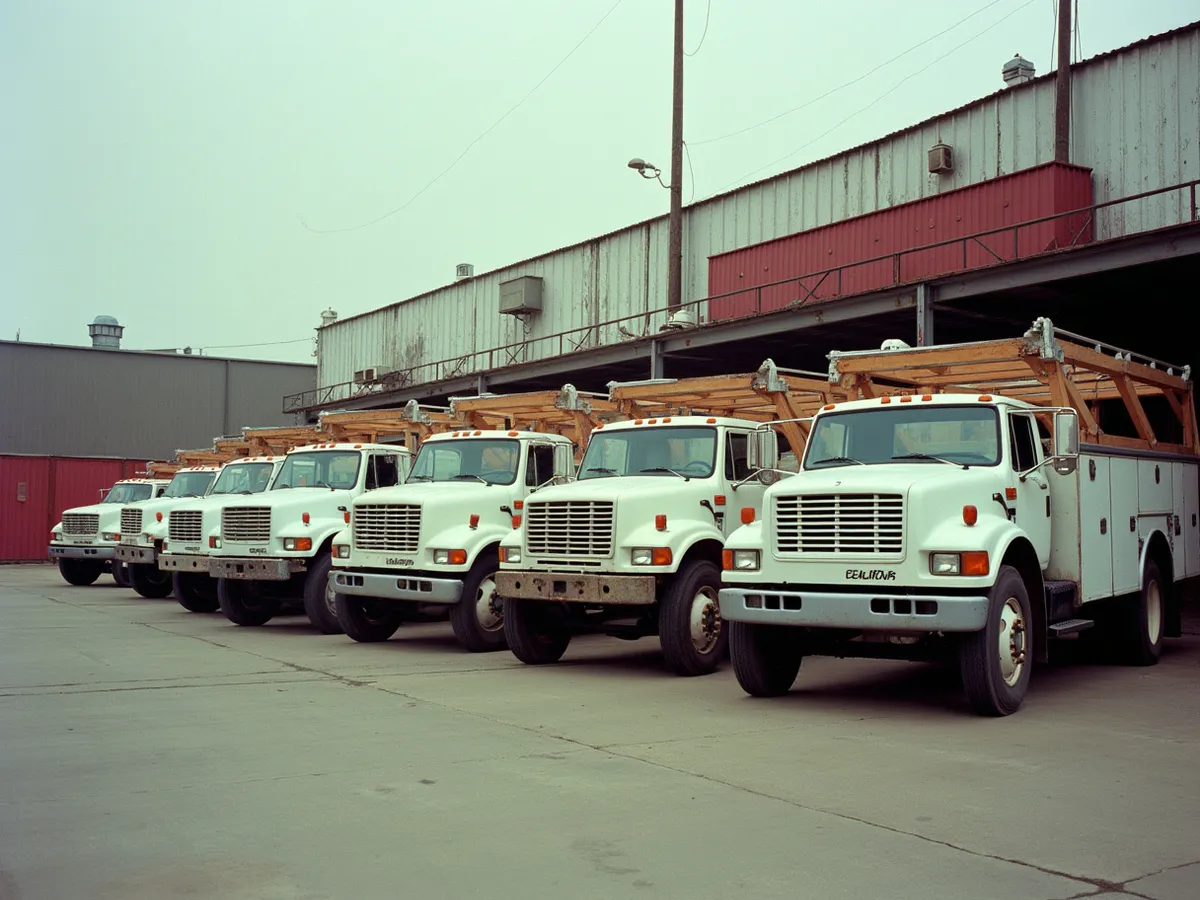
Fleet Upfitting Programs for Multi-Truck Operations
Fleet upfitting programs that lock one layout and reproduce it across every unit, so drivers moving between trucks find the same gear in the same places.
-
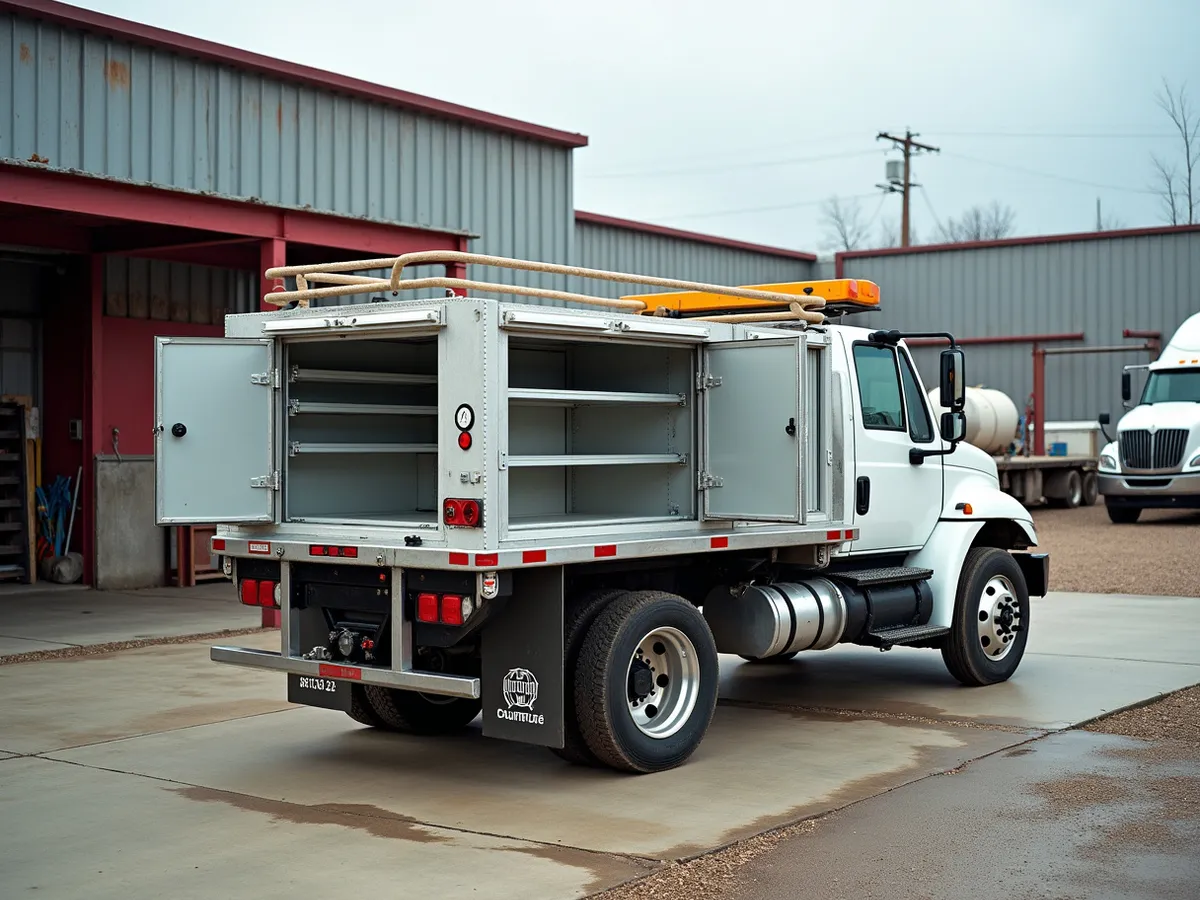
Work Truck and Service Body Upfit
Work-truck and service-body upfit that mounts a body, bins, a rack and the wiring to the chassis, planned around how a crew loads and unloads every day.


How-to and cost guides
Plain answers before you commit to a job.
-
How to Mount a Gooseneck Hitch
Mounting a gooseneck hitch means cutting an opening in the bed floor over the rear axle, fitting reinforcement below the bed to the frame rails, and setting a ball and its mechanism so the trailer pivots over the strongest part of the truck.
-
Tow Ratings and Capacities Explained
A tow rating is a set of limits that all apply at once, and the one you can actually use is the lowest of them.
-
Winch Recovery Basics
A winch recovery is a controlled pull with a strong line and a rated anchor, done slowly enough that nothing breaks and nobody stands in the path.
From the bay


Questions from the shop
What does a commercial upfit actually include?
More than a body. It covers the service body, the rack or pipe carrier, the bins and drawers, the lighting, and the wiring that ties it all to the chassis. We plan the pieces together so they support each other instead of fighting for the same space on the truck.
How much can my truck carry after an upfit?
That is the number we settle first. The body, the tools, an inverter and a loaded rack all count against payload, and a half-ton runs out fast. We weigh the plan against the truck's payload rating before the build is sketched, so the upfit fits rather than strains the chassis.
Can you match several trucks the same way?
Yes, and that is the point of a fleet program. We lock the layout once, then reproduce it across every unit so a driver who moves between trucks finds the same drawers in the same places. That sameness also makes parts and training simpler over the life of the fleet.
Do you handle the electrical side too?
We do, and it is where shortcuts show. Work lights, beacons, an inverter or a compressor all need their own properly fused feed, not a daisy chain. We size the alternator and the wiring to the real load so the build does not brown out under its own lighting.
How long does a commercial build take?
It depends on the body and the parts lead time, and the honest answer is that it varies. A light rack and lighting package is quicker than a full service body with a crane. We give you a realistic window once the plan and the parts are set, before the truck enters the bay.
Can you upfit a chassis cab rather than a pickup?
Yes. A chassis cab often suits a commercial build better than a pickup bed, because it gives a cleaner frame to mount a body on and more payload headroom. Tell us the chassis and the trade, and we will plan the body and the rack around what the frame can take.
Will an upfit affect my truck's warranty?
A properly mounted body does not void a warranty by itself, but a build that overloads the truck or cuts into a wiring harness can affect a claim. We mount and wire to the chassis's own points and stay inside the payload rating, which keeps the truck within its design limits.
What does a basic commercial upfit cost?
An enclosed service body fitted and wired runs from about $4,500 to $14,000, with a rack, a lighting package and an inverter each adding more. The figure varies with the payload class, the option set and the fleet size, so every number is a range.
Do you offer a fleet program for small businesses?
Yes, and a small fleet benefits from it as much as a large one. Two or three matching trucks give a crew consistency and simplify spares. Tell us how many units and how they are used, and we will stage the builds so the business keeps working while they are done.
Why Valley trucks are fitted here
- Ratings confirmed against your truck and trailer before anything is quoted.
- A written estimate that separates the hardware, the mount and the labour.
- Winch, recovery and upfit hardware fitted and wired, never just sold.
- Prices shown as ranges that vary, never as a made-up fixed number.
Request a fitment check
Tell us the truck and what you need fitted.